





Beer makes you urinate more because it combines three bladder stressors that wine and spirits don’t. Each pint delivers over 470 ml of fluid, triple a standard spirit pour, while alcohol suppresses vasopressin, triggering dilute, high-volume urine within 20 minutes. Carbonation then irritates your urothelial lining, heightening urgency, and hop-derived bitter acids exert documented diuretic activity. Together, these mechanisms explain beer’s uniquely potent effect on renal output and bladder filling, and each one deserves a closer look.
Beer Is Mostly Water, and You Drink a Lot of It

Because you typically consume beer in larger quantities, pints, bottles, or multiple cans, your total fluid intake escalates rapidly. This accelerates renal filtration and bladder filling. However, the beer hydration impact isn’t straightforward. Research shows 5% beer yields only 21% fluid retention post-exercise, compared with 34% for water. Non-alcoholic beer mirrors water’s retention rate at 36%, confirming that alcohol content offsets beer’s substantial water delivery. Given that water comprises 90-95% of beer’s total volume, the sheer liquid load from drinking several pints means your kidneys are processing far more fluid than they would from a comparable session of wine or spirits.
Alcohol Shuts Down Your Body’s Water-Saving Hormone
When alcohol enters your bloodstream, it directly suppresses antidiuretic hormone (ADH), also called vasopressin, the posterior pituitary’s primary signal for kidney water conservation. Without adequate ADH, your renal tubules lose permeability to water, preventing normal reabsorption. The result: dilute, high-volume urine production beginning within approximately 20 minutes of consumption.
Evidence indicates beverages at or above 13% alcohol effectively block ADH release. Beer’s lower alcohol concentration may produce a comparatively weaker hormonal suppression, yet the beer diuretic effect remains pronounced because you’re consuming substantially more total fluid. This combination, moderate ADH inhibition plus high liquid volume, accelerates bladder filling and urination frequency. Meanwhile, the resulting fluid losses concentrate serum electrolytes, particularly sodium, contributing to dehydration, headache, and the hallmark symptoms of a hangover. Over time, chronic alcohol consumption causes fluid and solute accumulation in the body, expanding overall fluid volume and potentially contributing to high blood pressure.
Beer Hits You Twice: Volume Plus Alcohol
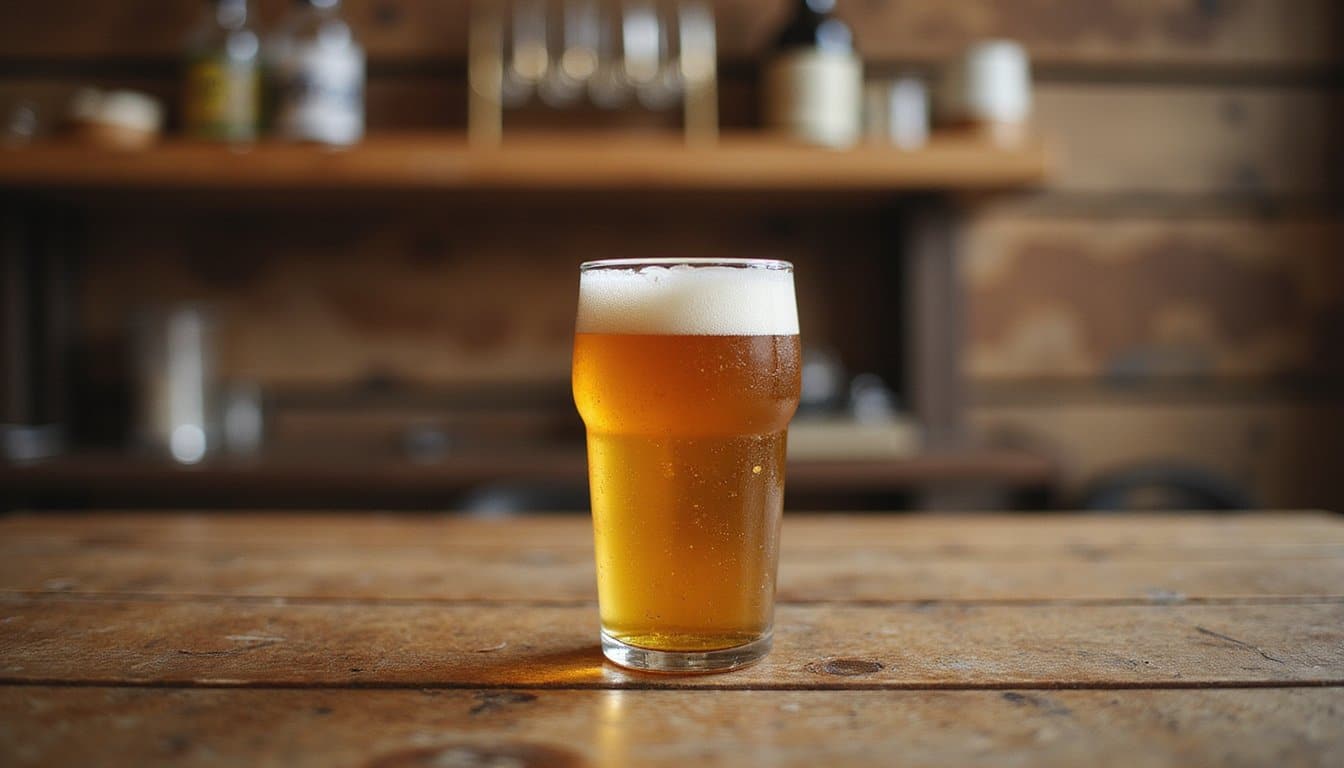
ADH suppression explains part of beer’s diuretic reputation, but it doesn’t account for the full picture. The beer fluid load itself drives significant urine production. A standard 12-oz serving delivers 355 ml of fluid, roughly 94% water, directly into your gastrointestinal tract. Compare that to 148 ml for wine or 44 ml for spirits. Your kidneys process this volume regardless of alcohol content.
This dual mechanism is the primary beer urinary frequency cause. You’re simultaneously suppressing ADH and flooding your renal system with free water. A single pint contributes nearly the equivalent of three glasses of water, enough to initiate bladder filling rapidly. Consume multiple pints over a social session, and you’re compounding repeated fluid boluses with sustained antidiuretic hormone inhibition, accelerating voiding frequency beyond what either factor produces independently. Beer’s carbonation also raises intravesical pressure, prompting premature bladder contractions that further shorten the interval between bathroom trips.
Carbonation Makes Beer Harder on Your Bladder
Beyond alcohol and fluid volume, beer introduces a third bladder stressor that wine and spirits lack: carbonation. Carbonated beverages are classified as bladder irritants in urological guidance, linked to increased urgency and frequency on validated symptom scales. Carbonation bladder stimulation occurs independently of caffeine or sugar content, meaning fizz alone can provoke detrusor muscle irritability. This compounds the beer bladder response by layering irritation onto alcohol’s diuretic effect.
| Factor | Beer | Wine/Spirits |
|---|---|---|
| Alcohol present | Yes | Yes |
| Carbonation present | Yes | No |
| Combined bladder stressors | Three (volume + alcohol + carbonation) | Two (volume + alcohol) |
Research shows the strongest associations appear in storage symptoms, urgency, frequency, and involuntary leakage, particularly in bladder-sensitive individuals. You’re effectively tripling irritant exposure with each pint.
Hops and Other Beer Ingredients That Increase Urine Output
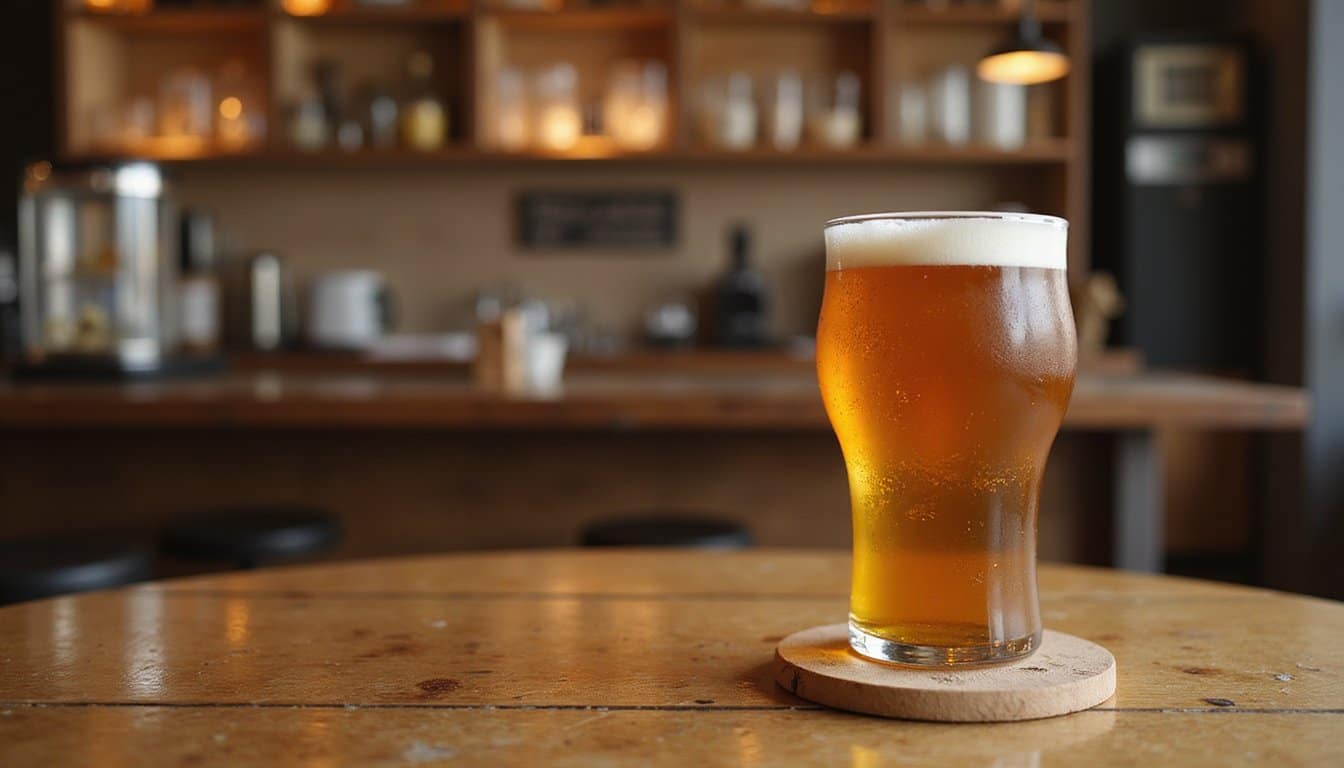
Carbonation isn’t the only non-alcohol ingredient in beer that pushes urine output higher. Hops (*Humulus lupulus L.*) contain bitter acids with documented diuretic activity in traditional and laboratory settings. These compounds may influence renal fluid handling, affecting hops and fluid retention pathways beyond what alcohol alone produces.
Beer’s beer diuretic strength stems from multiple bioactive constituents:
Beer’s diuretic punch comes from more than just alcohol, hops, phenolics, and flavonoids all push fluid loss higher.
- Alpha acids from hops, bitter compounds with reported diuretic properties
- Phenolic acids, barley- and hop-derived molecules linked to increased urine flow
- Flavonoids, phytochemicals that may modulate fluid balance
- Barley-derived compounds, additional plant substances with potential renal effects
Clinical evidence quantifying each ingredient’s contribution remains limited. However, the combined pharmacologic profile explains why beer drives urinary frequency beyond what its alcohol and water content predict.
Why Beer Sends You to the Bathroom More Than Wine or Spirits
When you drink beer instead of wine or spirits, you’re consuming considerably more fluid per serving, which accelerates bladder distension and triggers the micturition reflex more frequently. Ethanol simultaneously suppresses vasopressin secretion from your posterior pituitary, reducing renal water reabsorption and increasing urine volume beyond what the fluid load alone would produce. Beer’s carbonation compounds this effect by irritating the bladder’s detrusor muscle, heightening urgency even before your bladder reaches full capacity.
Beer’s Larger Fluid Volume
Beer’s sheer liquid volume plays a central role in its pronounced diuretic effect. A standard pint delivers approximately 0.568 L of fluid, with beer water content reaching roughly 94%. This means your renal system processes a substantial fluid load before alcohol’s antidiuretic hormone suppression even factors in. Your alcohol volume intake per serving far exceeds that of wine or spirits, accelerating vesical distension.
Consider these volume-driven mechanisms:
- Each pint approximates three glasses of water in total fluid delivery.
- Sequential servings compound glomerular filtration demands rapidly.
- Higher cumulative intake shortens intervals between micturition episodes.
- Spirits typically deliver far less total liquid per standard pour, reducing bladder filling speed.
You’re fundamentally flooding your urinary tract with volume that demands excretion independent of alcohol’s pharmacological effects.
Alcohol Suppresses Water Retention
Beyond volume alone, alcohol itself disrupts your body’s fluid-regulation machinery at a hormonal level. Ethanol suppresses vasopressin (antidiuretic hormone) secretion from your posterior pituitary gland. With reduced ADH signaling, your renal collecting ducts reabsorb less water, producing higher volumes of dilute urine. This mechanism drives the beer kidney response, your kidneys excrete fluid rapidly despite your body’s actual hydration needs. Can alcohol lead to dehydration? This effect can be especially pronounced in social settings where consumption is high.
In any alcohol diuretic comparison, the physiological pathway remains identical across beverages. However, beer’s typical consumption pattern, higher volume ingested at faster rates, amplifies ADH suppression more aggressively per drinking session. The resulting electrolyte disruption, particularly sodium-potassium imbalance, compounds fluid loss and can trigger rebound water retention in tissues. Frequent urination after drinking reflects altered hormonal signaling, not adequate hydration.
Carbonation Irritates Your Bladder
Although alcohol’s suppression of ADH explains much of the diuretic effect, beer introduces a second irritant that wine and spirits typically lack: carbonation. Dissolved CO₂ acts as carbonation as a bladder irritant, stimulating detrusor muscle sensitivity and amplifying urgency beyond what alcohol alone produces.
Evidence links carbonated beverages to heightened lower urinary tract symptoms. This dual-trigger beer urination mechanism explains why you’re visiting the restroom more frequently with beer than with still drinks.
Carbonation contributes to urgency through several pathways:
- It irritates the urothelial lining, increasing your perceived need to void.
- It accelerates bladder distension when combined with beer’s high fluid volume.
- It compounds alcohol’s existing diuretic action, creating a two-factor trigger profile.
- It promotes faster consumption due to beer’s invigorating mouthfeel.
Does “Breaking the Seal” Actually Apply to Beer?
You’ve likely heard that your first bathroom trip “breaks the seal,” triggering an unstoppable cascade of urination, but no anatomical seal exists in your bladder or urinary tract. The repeated urge you experience results from alcohol’s suppression of vasopressin (antidiuretic hormone), which reduces renal water reabsorption and accelerates urine production with each drink. Beer’s high fluid volume per serving compounds this diuretic effect, meaning your total liquid intake drives urinary frequency far more than any imagined threshold crossed by your first visit to the restroom.
Myth Versus Real Science
If you’ve ever heard someone claim they “broke the seal” after their first trip to the bathroom during a night of drinking, you’ve encountered one of the most persistent myths in social drinking culture. “Breaking the seal” isn’t a medical diagnosis or a recognized physiological mechanism, it’s slang that misrepresents how your urinary system actually works.
When comparing beer vs spirits urination patterns, science points to concrete factors, not mythical thresholds:
- Alcohol suppresses vasopressin, increasing renal water excretion.
- Beer’s higher fluid volume accelerates bladder filling beyond what spirits typically produce.
- Alcohol and bladder pressure increase proportionally with cumulative intake and drinking pace.
- Carbonation may enhance gastric emptying, delivering fluid to the kidneys faster.
Your first void doesn’t trigger anything, accumulated fluid and suppressed antidiuretic hormone do.
Alcohol Drives Repeated Urination
Because alcohol begins suppressing vasopressin, your body’s antidiuretic hormone, shortly after you start drinking, your kidneys lose their signal to conserve water. This diuresis accelerates urine production regardless of beverage type, but beer urine frequency intensifies due to higher fluid volume per serving. The effects of alcohol on hydration can lead to feelings of lethargy and dehydration, making it essential to monitor your fluid intake while consuming alcoholic beverages.
| Factor | Beer (355 ml) | Spirits (44 ml) |
|---|---|---|
| Fluid Volume | High | Low |
| Bladder Fill Rate | Rapid | Slow |
| Diuretic Effect | Strong | Moderate |
| Bladder Irritation | Pronounced | Variable |
| Urination Frequency | Highest | Lower |
Alcohol concentration differences between beverages don’t eliminate the diuretic response, they shift its magnitude. You’re not “breaking a seal”; you’re experiencing cumulative vasopressin suppression, escalating renal output, and bladder irritation compounding with each successive drink. The duration of dehydration from alcohol can vary significantly based on individual physiology and the quantity consumed.
Volume Matters More
A single pint of beer delivers roughly 470 ml of fluid, over ten times the volume of a standard 44 ml spirit pour, and that difference alone reshapes how fast your bladder reaches its functional capacity of approximately 300, 400 ml. The beer bladder filling rate accelerates because every swallow adds substantial water volume on top of ethanol’s antidiuretic-hormone suppression.
Consider how alcohol volume and urination interact across beverages:
- A pint of beer fills over 100% of functional bladder capacity in one serving.
- A standard spirit pour contributes roughly 10% of that capacity.
- Mixed drinks bridge the gap but rarely match beer’s total fluid load.
- Sequential pints compound volume faster than sequential neat spirits.
Volume, not beverage type, primarily dictates urinary frequency.
How Your Hydration Before Beer Changes the Effect
Whether you’re well-hydrated or running a fluid deficit before your first beer directly shapes how much urine your body produces afterward. When your baseline hydration is adequate, vasopressin levels sit lower, allowing ethanol to suppress antidiuretic hormone signaling more effectively. This amplifies renal water excretion and accelerates bladder filling. Conversely, pre-existing hypohydration elevates vasopressin activity, partially counteracting alcohol’s diuretic mechanism and reducing net urine output.
Your alcohol beverage fluid balance depends on this interplay between ethanol-driven ADH suppression and your body’s existing water-conservation state. A higher alcohol absorption rate in well-hydrated individuals means filtered water reaches the collecting ducts with less hormonal opposition to excretion. If you’ve consumed minimal water throughout the day, your kidneys prioritize fluid retention, blunting beer’s characteristic diuretic response despite its substantial liquid volume.
Why Three Pints Hit Harder Than Three Glasses of Wine
When you drink three pints of 4% beer, you consume roughly 1,704 ml of fluid carrying about 6.8 UK units of alcohol, nearly matching the alcohol in three 175 ml glasses of 13.5% wine but delivering over three times the liquid volume. That excess fluid rapidly distends your gastric wall, accelerates gastric emptying into the duodenum, and compounds the diuretic suppression of antidiuretic hormone that alcohol already triggers. The result is a stacked effect: alcohol inhibits your renal water reabsorption while the sheer volume simultaneously overwhelms your bladder’s holding capacity, producing noticeably more frequent urination than wine at equivalent unit intake.
Volume Adds Up Fast
Three pints of 5% ABV beer deliver approximately 48 oz (1.4 liters) of fluid and roughly four standard drinks‘ worth of alcohol, compared to just 15 oz (444 mL) and three standard drinks from three 5-oz glasses of 12% wine. The alcohol intake volume impact becomes clinically significant when you examine the numbers:
- 48 oz of beer accelerates gastric emptying and renal filtration rates far beyond 15 oz of wine.
- Four standard drinks suppress antidiuretic hormone more aggressively than three.
- Carbonation in beer enhances pyloric relaxation, speeding fluid transit into the duodenum.
- Bladder distension occurs faster when you’re processing triple the fluid volume.
You can’t ignore beer systemic effects, your kidneys respond to both ethanol concentration and total liquid load simultaneously.
Stacked Diuretic Effects
Because beer delivers both a high fluid volume and a meaningful alcohol dose in every pint, its diuretic effects don’t simply add up, they compound. Each successive pint suppresses your vasopressin secretion while simultaneously accelerating bladder distension. Three pints introduce roughly 1,700 mL of fluid, nearly triple the volume of three standard wine glasses, creating a cumulative hydraulic burden your kidneys must process concurrently with alcohol-induced free-water excretion.
Beer absorption speed plays a critical role here. Carbonation accelerates gastric emptying, delivering fluid to your small intestine faster than still beverages. This rapid transit amplifies alcohol urine output differences between beer and wine. Your renal collecting ducts face simultaneous pressure from volume overload and diminished antidiuretic hormone activity, producing markedly higher urinary frequency than equivalent alcohol doses consumed in smaller, concentrated servings.
Simple Ways to Pee Less When Drinking Beer
Although you can’t entirely eliminate alcohol’s suppression of antidiuretic hormone, you can considerably reduce urinary frequency by adjusting how much and how fast you drink. Understanding beer and fluid retention helps you make targeted changes that preserve your alcohol drink hydration levels throughout the session.
- Reduce total intake, limiting consumption to one or two beers decreases both fluid load and ethanol-driven diuresis.
- Alternate with water, inserting a glass of water between beers slows drinking pace and offsets dehydration.
- Choose smaller servings, selecting half-pints over full pints lowers the volume entering your bladder per round.
- Drink slowly, pacing consumption prevents rapid gastric emptying and delays bladder distension.
Cease intake several hours before bedtime to minimize nocturia episodes.
Make the Call That Protects Your Health
Alcohol’s effects on your body run deeper than many realize, from hydration to long-term physical wellness. At Vive Treatment Centers in Washington, DC, our skilled team offers reliable Alcohol Addiction Treatment designed to support every step of your healing. Call (202) 506-3490 today and start building a stronger, healthier tomorrow.
Frequently Asked Questions
Can Drinking Beer Regularly Cause Long-Term Damage to Your Kidneys?
Moderate beer consumption alone doesn’t show strong evidence of causing chronic kidney disease in healthy adults. However, if you drink heavily and regularly, you’re exposing your kidneys to repeated dehydration, elevated blood pressure, and electrolyte disturbances, all recognized nephrotoxic stressors. These indirect pathways can accumulate renal strain over time. Your baseline health, drinking pattern, and hydration habits greatly modify your risk. You’ll best protect your kidneys by limiting intake and replenishing fluids consistently.
Does Cold Beer Make You Urinate More Than Room-Temperature Beer?
Cold beer doesn’t markedly increase your urine output compared to room-temperature beer. You’re still consuming the same ethanol load, which suppresses vasopressin and drives renal free-water excretion regardless of temperature. However, you’ll likely drink chilled beer faster, increasing total fluid volume in a shorter window and accelerating bladder distension. Any cold-induced urgency you feel reflects detrusor sensitivity rather than true diuresis. The primary drivers remain alcohol content, volume, and carbonation.
Is Non-Alcoholic Beer Less Likely to Increase Urination Than Regular Beer?
Yes, non-alcoholic beer is less likely to increase your urination than regular beer. When you drink regular beer, ethanol suppresses vasopressin, reducing renal water reabsorption and amplifying diuresis. Non-alcoholic beer eliminates this hormonal disruption, so your kidneys retain fluid more effectively. However, you’ll still experience bladder distension from the liquid volume itself, which can trigger the micturition reflex. If you’re drinking multiple servings, you’ll still visit the bathroom, just less frequently.
Does Body Weight Affect How Quickly Beer Makes You Need to Urinate?
Yes, your body weight directly influences how quickly beer triggers urination. If you weigh less, you’ll reach a higher blood alcohol concentration (BAC) faster from the same volume, which suppresses antidiuretic hormone (ADH) more rapidly. This accelerates renal free-water excretion and bladder filling. You’ll also have less total body water to buffer the fluid load, so you’re likely to feel the urge to void sooner than a heavier individual.
Can Medications Interact With Beer to Make Urination Even More Frequent?
Yes, certain medications can amplify beer’s diuretic effect. If you’re taking loop or thiazide diuretics like furosemide or hydrochlorothiazide, you’ll experience compounded fluid loss and increased urinary frequency. SGLT2 inhibitors promote renal glucose and water excretion, further intensifying output. Alcohol also suppresses vasopressin secretion, and when you’re on lithium or mineralocorticoid receptor antagonists, you’ll face greater electrolyte imbalance and dehydration risk. You should consult your pharmacist about these interactions.