
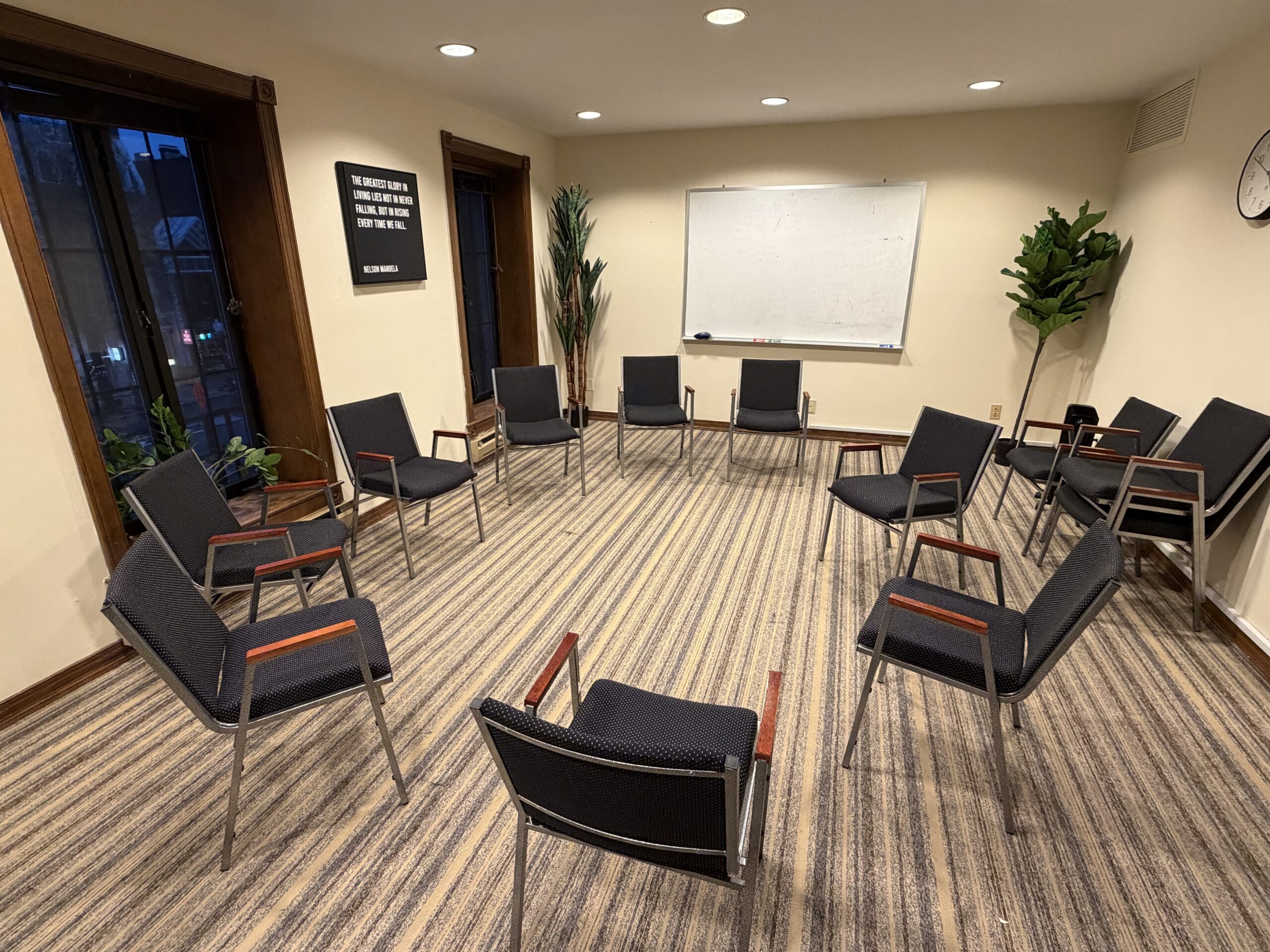

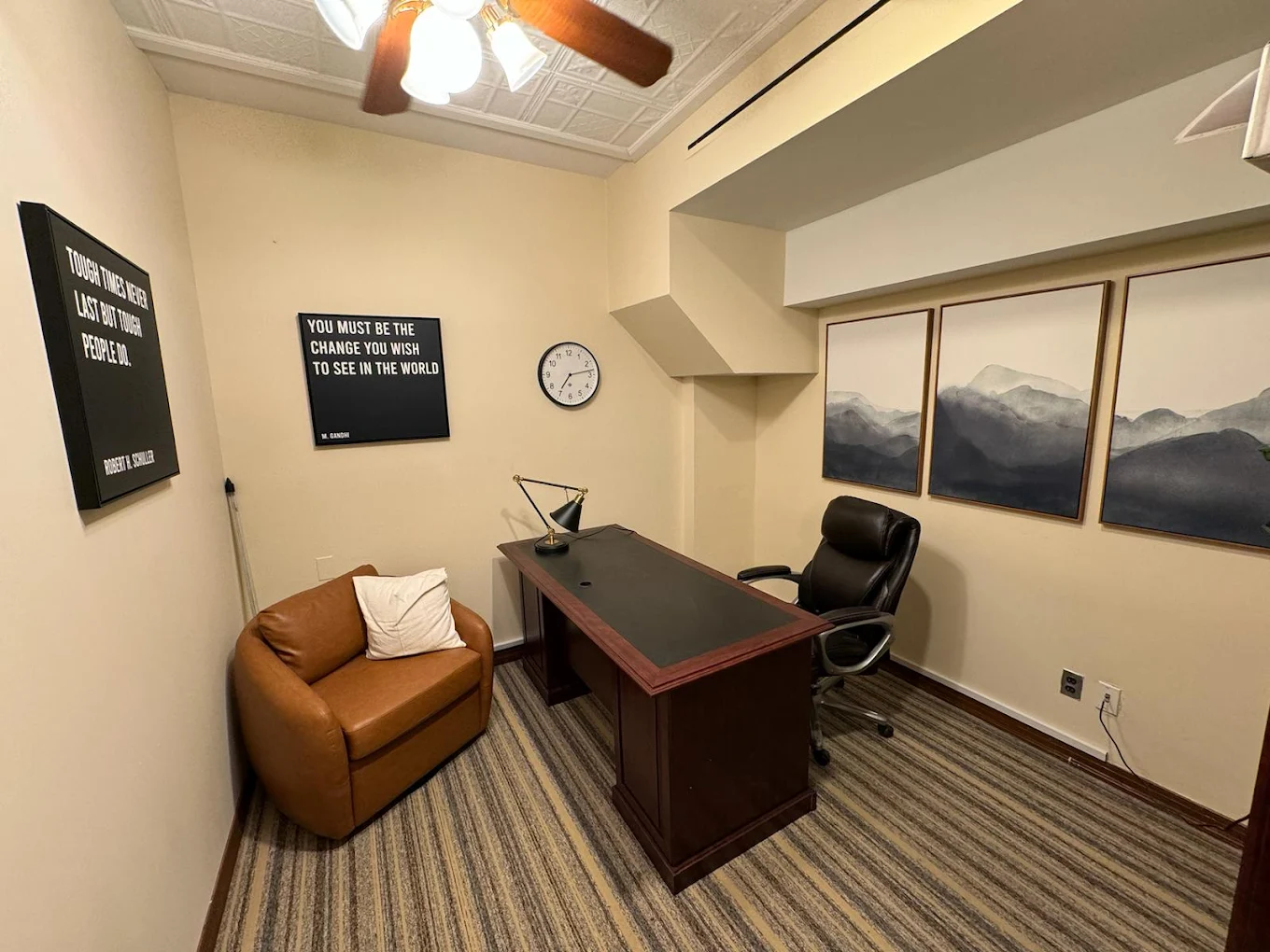




Heroin addiction treatment at Vive Treatment Centers combines Suboxone, which controls cravings and withdrawal, with therapy and psychiatric care, delivered on an outpatient basis so you can get treatment while living at home. Heroin is an opioid, and it is treated most effectively with medication paired with counseling, not willpower alone. A psychiatrist leads care and treats the depression, anxiety, or trauma underneath the use. We accept all major Insurance.
Heroin is not the drug it used to be
Almost all street heroin now contains fentanyl, and that single fact changes everything about the risk. Fentanyl is far more potent than heroin, it is mixed in unevenly, and it turns every use into a gamble where the same amount that was fine yesterday can be fatal today. This is why waiting to get help is so dangerous with heroin specifically: the supply itself has become lethal in a way it was not a decade ago. It is also why medication matters so much. Getting onto Suboxone and staying in treatment is one of the strongest protections against a fatal overdose there is.

How we treat heroin addiction
Heroin treatment here is built on medication-assisted treatment paired with therapy. We prescribe Suboxone, which controls cravings and prevents withdrawal without producing a high, so you can stabilize and stay in treatment while living at home. Starting it involves timing, and our clinical team walks you through exactly when to take the first dose. Alongside the medication, group therapy, individual counseling, and family sessions use Cognitive Behavioral Therapy and Dialectical Behavior Therapy to rebuild the parts of life heroin took over. A psychiatrist manages the medication and treats any co-occurring mental health condition in the same plan, which is often what makes recovery hold.
Heroin withdrawal and getting started
Fear of withdrawal keeps many people using long after they want to stop, and that fear is understandable, since heroin withdrawal is intensely uncomfortable, with body aches, nausea, sweating, and cravings peaking within a few days. It is rarely life-threatening on its own, but it is miserable enough to drive people straight back to use. Suboxone changes this equation, because it can suppress withdrawal before it becomes unbearable, so getting clean does not depend on enduring days of agony first. If you need a higher level of medical support to begin, we help arrange it, then bring you into our outpatient program to continue.
Outpatient treatment while living at home
Outpatient heroin treatment lets you get medical care and therapy without moving into a facility, which works when you have a stable place to live and are ready to engage in treatment. You attend three-hour sessions, three to five days a week, in daytime or evening tracks, then step down to weekly care as you stabilize, all while keeping your job or staying with family. Practicing recovery in your own environment, with a clinical team behind you, is what prepares you for staying off heroin after treatment ends. The intensive phase commonly runs about three months, followed by ongoing support during the period when relapse and overdose risk are highest.

Why willpower alone rarely beats heroin
People are often told, or tell themselves, that quitting heroin is a matter of wanting it badly enough, and that belief causes real harm. Heroin rewires the brain’s reward and stress systems, so cravings are not a weakness of character but a physical drive the brain treats like hunger or thirst. That is why cycles of quitting and relapsing are the norm without medical treatment, and why people blame themselves for something that is actually a medical condition. Medication like Suboxone works because it addresses that biology directly, quieting the cravings enough that the therapy, the accountability, and the rebuilding can take hold. Needing medication and structure is not failing at recovery; it is doing recovery the way that actually works.
Call Now To Reach a team member For Heroin Addiction Treatment
Don’t wait for heroin addiction to take any more of your life from you!

When someone you love is using heroin
Families often reach us in crisis, frightened that a call to a treatment center will push the person further away or that residential rehab is the only option and they will refuse it. Outpatient treatment on Suboxone is frequently an easier yes, because it does not require walking away from a job or a home. We talk with families about how to raise treatment without a confrontation, what the program asks of the person, and how insurance works, all before anyone has committed to anything. We cannot share someone’s medical information without their consent, but we can help you understand the options and the urgency.
Insurance and cost
We are in-network with Aetna, Cigna, CareFirst BlueCross BlueShield including the Federal Employee Program, UnitedHealthcare and Optum, and Tricare, and we work with most other commercial plans. Most cover outpatient heroin treatment and Suboxone with prior authorization; your out-of-pocket depends on your deductible and coinsurance. Send the verification form and our team confirms your benefits before your first visit, so cost is clear before treatment starts. Cost should never be the reason someone stays on heroin another week, so if coverage is a problem we help you find a path rather than turning you away at the door.
Frequently Asked Questions
Is heroin addiction treated with medication?
Yes. Heroin is an opioid, and we treat it with Suboxone, which controls cravings and withdrawal, alongside therapy and psychiatric care. Medication paired with counseling is the most effective approach.
How dangerous is heroin now compared to before?
Far more dangerous, because nearly all street heroin now contains fentanyl. That makes overdose far more likely, and it is the main reason getting into treatment quickly matters so much.
Do I have to detox before starting?
Not in the usual sense. Suboxone is often started as part of treatment rather than after a separate detox, timed to early withdrawal. We assess this on your first call and arrange a higher level of support first if you need it.
Can I work while in heroin treatment?
Yes. Sessions run in daytime and evening tracks, and your medication is managed on a schedule built around your life, so most people keep working or studying.
How long does treatment last?
The intensive phase commonly runs about three months, then steps down to weekly care. Suboxone may continue longer, because staying on it protects against relapse and overdose.
What if my family member refuses residential rehab?
Outpatient treatment on Suboxone is often an easier yes, since it does not require leaving work or home. Call us and we will talk through how to approach it.
Does insurance cover treatment?
Most commercial plans cover outpatient heroin treatment with prior authorization. We are in-network with Aetna, Cigna, CareFirst, UnitedHealthcare, and Tricare, and verify your benefits before you start.