



Methamphetamine addiction treatment at Vive Treatment Centers is an outpatient program built on behavioral therapy and psychiatric care, since there is no medication approved to treat meth addiction. You attend structured sessions while living at home. Meth recovery takes longer than most people expect, because the drug affects the brain deeply, and treatment is built for that reality rather than a quick fix. A psychiatrist treats the paranoia, depression, or anxiety that meth use often produces or worsens. We accept all major Insurance.
Why meth recovery takes longer than people expect
Recovering from meth is harder and slower than recovering from many other drugs, and knowing that up front is part of doing it successfully. Meth floods and then depletes the brain’s dopamine system, so in early recovery many people feel flat, exhausted, unable to feel pleasure, and mentally foggy, sometimes for weeks or months. This stretch is where people relapse, not because they are weak, but because they expect to feel better quickly and instead feel worse before they feel better. Treatment is built around this timeline: it keeps you supported and accountable through the exact period when the brain is slowly healing and the urge to use again to feel normal is strongest. Understanding that the difficulty is temporary and expected makes it survivable.

Outpatient Methamphetamine Addiction Treatment Washington DC
Methamphetamine can produce paranoia, hallucinations, and psychosis, both during heavy use and in the crash afterward, and this is one of the most important reasons to have psychiatric care involved. Long or intense meth use can cause people to feel watched, followed, or threatened, and these symptoms are frightening and sometimes dangerous. A psychiatrist can tell the difference between drug-induced symptoms and an underlying mental health condition, treat what is treatable, and manage the process safely. Trying to come off meth alone, without anyone able to address the psychiatric side, is part of why meth is so hard to quit without help. Having a physician on the team is not a luxury here, it is central.
How meth addiction is treated without medication
No medication is approved to treat meth addiction, so treatment is behavioral and psychiatric, which is the standard of care for stimulants rather than a compromise. Cognitive Behavioral Therapy targets the triggers and thought patterns that drive use and builds concrete tools to interrupt them. Dialectical Behavior Therapy develops skills for tolerating the emotional lows and cravings of early recovery without using. Structured reward-based approaches that reinforce staying meth-free have strong evidence for stimulants specifically. Alongside the therapy, a psychiatrist treats depression, anxiety, or any drug-induced symptoms, because meth so often leaves those in its wake and they drive relapse if left alone.
What meth addiction looks like
Meth addiction often shows in dramatic changes across body, mind, and behavior. Signs include long stretches without sleep followed by heavy crashes, sharp weight loss, dental and skin problems, intense mood swings, paranoia, and pulling away from anyone not involved in using. Meth is often used in binges that last days, followed by a hard crash, rather than in a steady daily pattern, which can make people believe the gaps mean they are in control. If meth is reshaping your body, your relationships, or your grip on reality, that is more than enough reason to get an assessment, whatever the pattern of use looks like.

When someone you love is on meth
Families often reach us frightened and worn down, because meth changes a person in ways that are hard to watch, the paranoia, the disappearance for days, the person you know seeming to vanish. It helps to understand that much of what you are seeing is the drug acting on the brain, not a choice being made against you, and that the changes are often reversible with time in recovery. Outpatient treatment can be an easier step for someone to accept than residential, because it does not demand they give up everything at once. We talk with families about how to approach it without a confrontation that pushes the person away, what treatment involves, and how the psychiatric side is handled, before anyone has committed to anything. We cannot share medical information without consent, but we can help you understand the options and how to move.
Call Now To Reach for Methamphetamine Addiction Treatment
Contact our confidential case management team today to receive guidance, support, and immediate help connecting to the right level of care.

How treatment works here
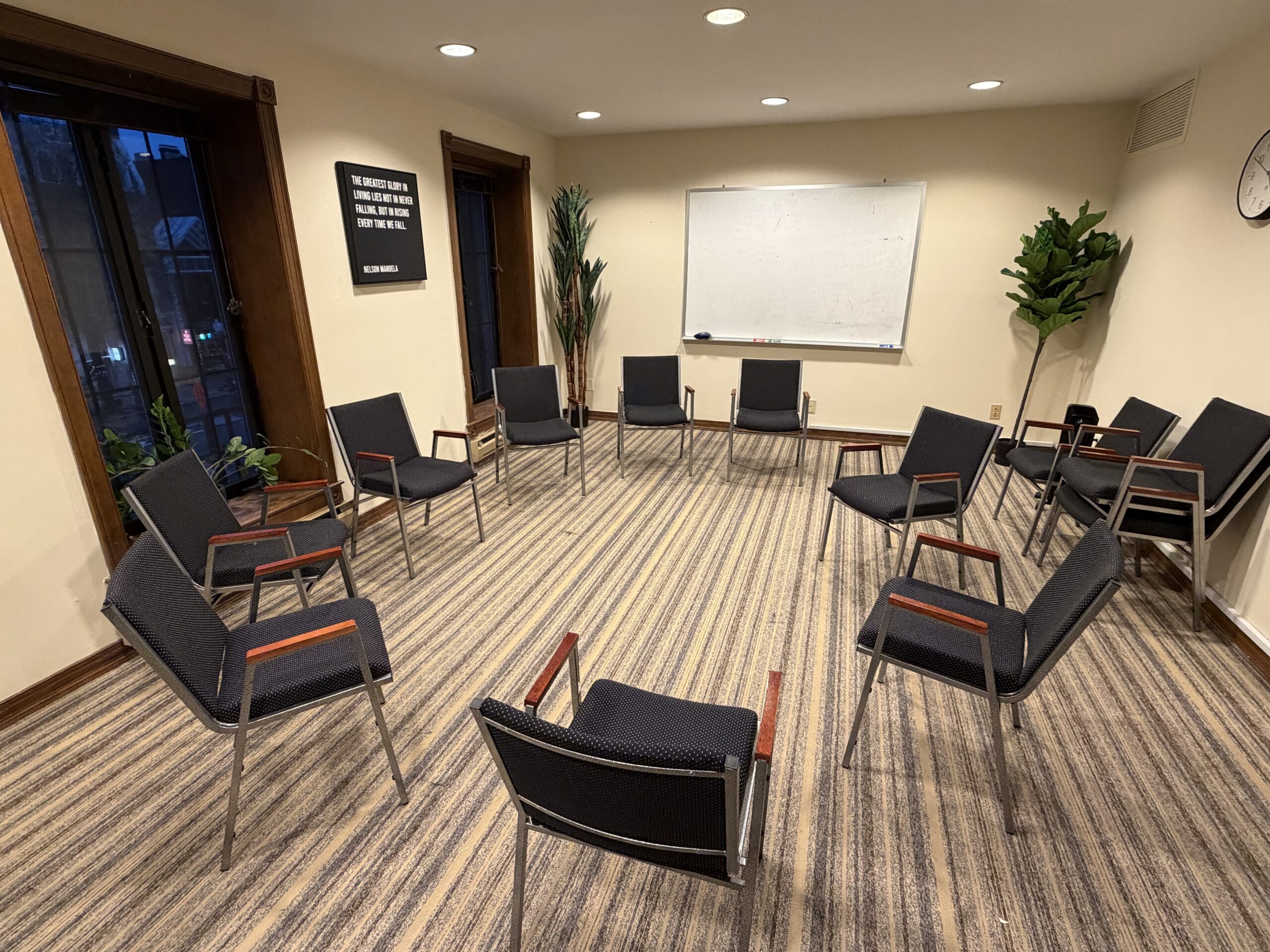
Treatment runs through our Intensive Outpatient Program, with three-hour sessions three to five days a week in daytime or evening tracks, then steps down to weekly care. Group therapy, individual counseling, and family sessions carry the work, and a psychiatrist evaluates and treats any co-occurring or drug-induced condition in the same plan. You live at home throughout, building recovery in the environment where you will keep living. We also offer supportive practices like mindfulness that help with the stress and cravings of stimulant recovery. Because meth recovery is a longer road, the intensive phase of about three months is followed by real ongoing support rather than a hard finish line.
Insurance and cost
We are in-network with Aetna, Cigna, CareFirst BlueCross BlueShield including the Federal Employee Program, UnitedHealthcare and Optum, and Tricare, and we work with most other commercial plans. Most cover outpatient meth treatment with prior authorization; your out-of-pocket depends on your deductible and coinsurance. Send the verification form and our team confirms your benefits before your first visit, so cost is clear before treatment starts. If your plan does not cover our program, we help connect you to a partner outpatient facility rather than leaving you without a next step.
Frequently Asked Questions
Is there a medication for meth addiction?
No. Methamphetamine has no FDA-approved medication, so treatment is behavioral therapy and psychiatric care. This is the established standard of care for stimulant addiction, not a fallback option.
Why is meth so hard to quit?
Meth depletes the brain’s dopamine, so early recovery often brings weeks of low mood, exhaustion, and no pleasure, which drives people back to use. Treatment supports you through exactly that period.
Can meth cause paranoia or psychosis?
Yes. Meth can cause paranoia, hallucinations, and psychosis during use and in the crash afterward. A psychiatrist on the team can treat these symptoms and tell drug-induced ones from an underlying condition.
Can meth addiction be treated outpatient?
Yes, when you have a stable living situation and want structured support while keeping your life. If a higher level of care is safer to start, we tell you honestly and help arrange it.
How long does treatment take?
The intensive phase commonly runs about three months, then steps down to weekly care, with ongoing support after. Meth recovery is a longer road, so continued support matters more than a fixed end date.
Can I keep working during treatment?
Yes. Sessions run in daytime and evening tracks, so most people keep their job or studies while in treatment.
Do you treat the mental health effects of meth?
Yes. A psychiatrist evaluates and treats depression, anxiety, paranoia, and other conditions alongside the addiction, since these frequently accompany meth use.