



Cocaine addiction treatment at Vive Treatment Centers is an outpatient program built on behavioral therapy and psychiatric care, since there is no medication approved to treat cocaine addiction. You attend structured sessions while living at home, keeping your job or studies. Treatment targets the cycle of craving, use, and crash that keeps cocaine going, and a psychiatrist treats the anxiety, depression, or ADHD often tangled up with it. We accept all major Insurance.
How cocaine addiction is treated without medication
Because no medication is approved to treat cocaine addiction, effective treatment is behavioral, and that is not a lesser option, it is the standard of care for stimulants. The core is therapy that changes the patterns driving use. Cognitive Behavioral Therapy identifies the specific triggers, people, and situations that lead to using and builds concrete alternatives; Dialectical Behavior Therapy develops skills for handling the stress, boredom, and emotional lows that pull people back. Where a program does use a structured reward system for staying stimulant-free, that approach has strong evidence behind it for cocaine specifically. A psychiatrist treats any underlying condition, which matters because untreated depression or ADHD is often what the cocaine was self-medicating.

The cocaine cycle and why it is hard to break alone
Cocaine addiction runs on a fast, punishing loop: an intense but short high, followed by a crash of fatigue, low mood, and craving that the brain learns to fix with more cocaine. That loop tightens over time, and the crash itself becomes a powerful driver of the next use, which is why willpower alone so often loses. Cravings can be sudden and overwhelming, triggered by a place, a person, or a mood, long after the last use. Treatment works by making those triggers visible and building a response to them before they hit, which is difficult to do without structure and support. Understanding the cycle is the first step to interrupting it.
What cocaine addiction looks like
The signs of cocaine addiction are often behavioral before they are physical. Common ones include needing more to get the same effect, using more or longer than intended, financial problems from spending on the drug, neglecting work or relationships, and physical signs like nosebleeds, weight loss, or disrupted sleep. Because cocaine is often used socially and in binges rather than daily, people tell themselves it is under control right up until it clearly is not. If cocaine is costing you money, sleep, relationships, or peace of mind, that is enough of a reason to get an assessment, whether or not you use it every day.
Crack and cocaine are the same addiction
Crack and powder cocaine are the same drug in different forms, and we treat both. Crack is cocaine processed into a form that is smoked, which makes the high faster and shorter and the crash harder, so the cycle of use tends to tighten even more quickly. The route is different, but the addiction, the cravings, and the treatment are the same: behavioral therapy to interrupt the patterns, and psychiatric care for what is underneath. Some people feel their use does not count as a real problem because it is powder and social rather than crack, or because they only binge on weekends. The form and the frequency do not decide whether it is treatable; the effect on your life does.

How treatment works here
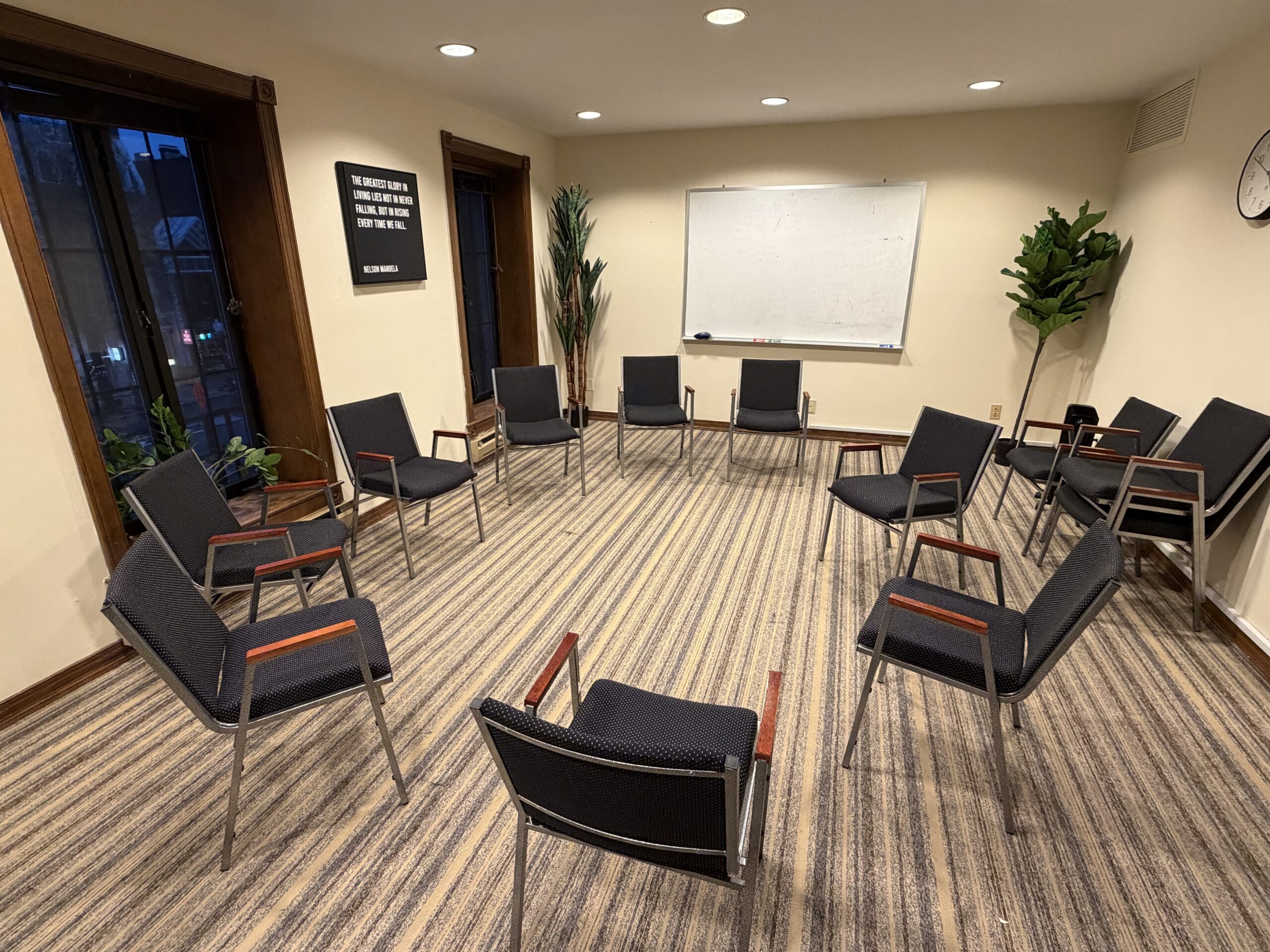
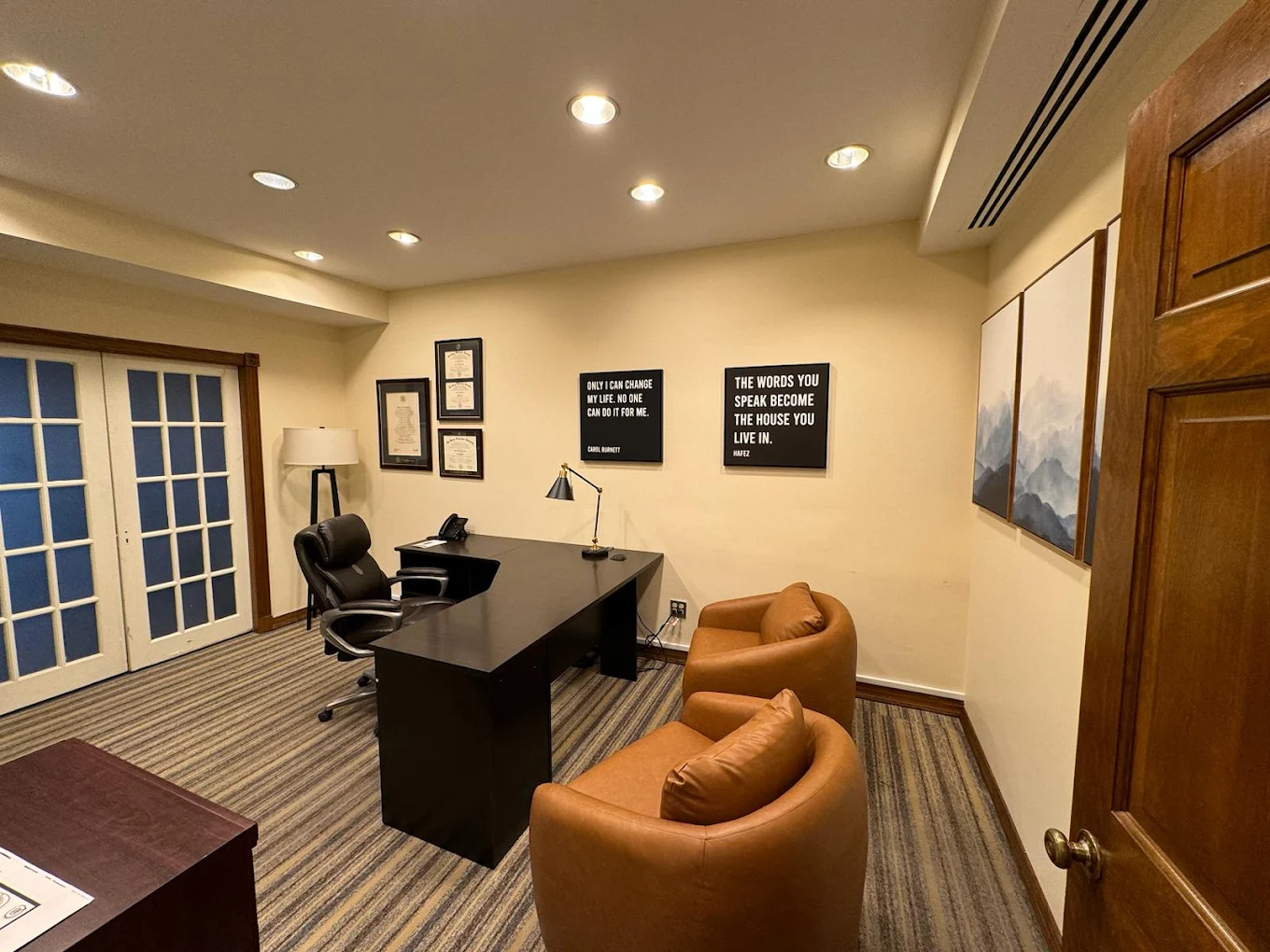
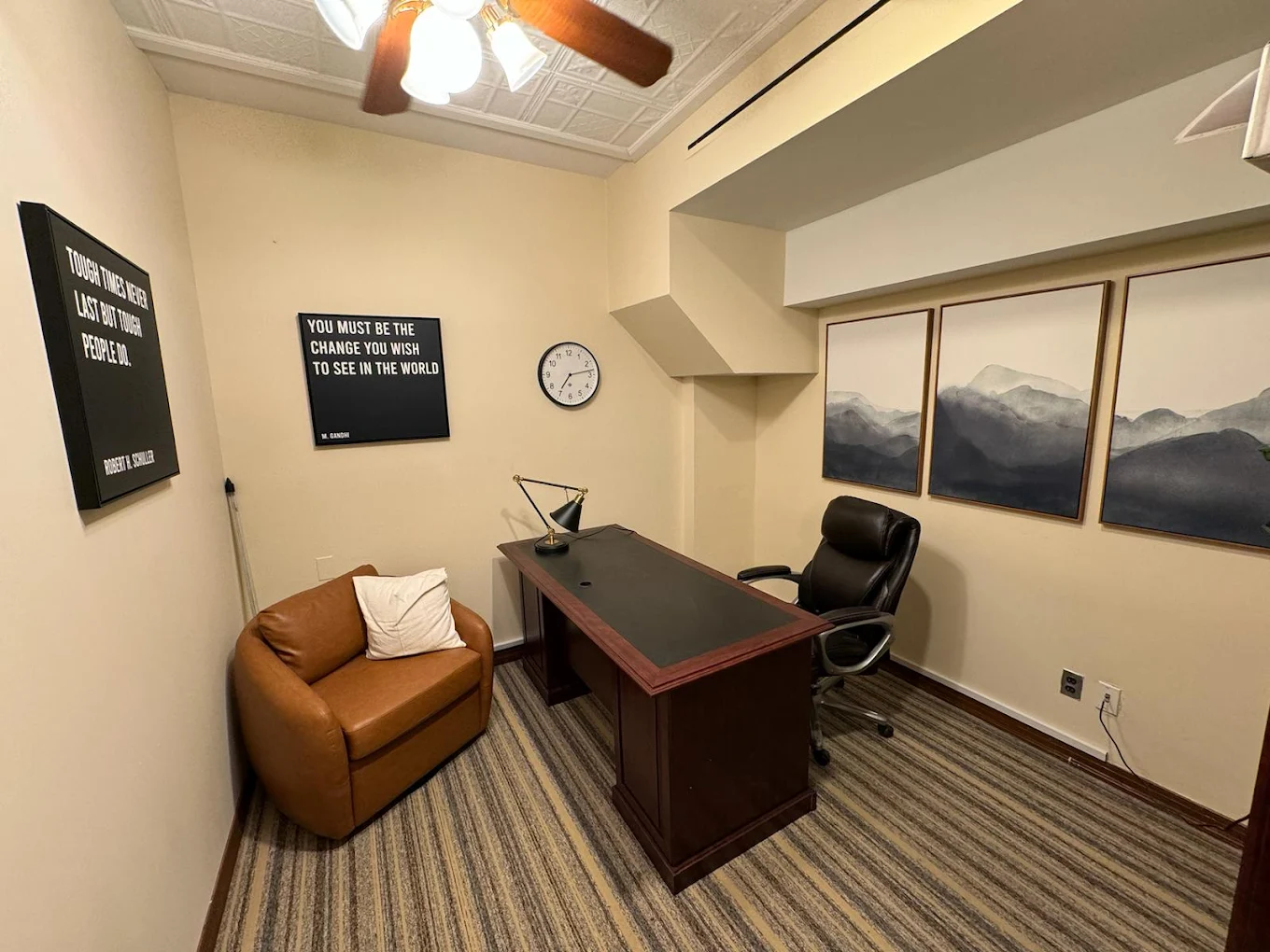
Treatment runs through our Intensive Outpatient Program, with three-hour sessions three to five days a week in daytime or evening tracks, then steps down to weekly care. Group therapy, individual counseling, and family sessions carry the clinical work, and a psychiatrist evaluates and treats any co-occurring condition in the same plan. You live at home throughout, which means you practice managing real triggers in the environment where you actually use, with a clinical team behind you. We also offer supportive practices like mindfulness that help with the stress and cravings driving stimulant use. The intensive phase commonly runs about three months, followed by ongoing support.
Call Now for Cocaine Addiction Treatment
Don’t wait for cocaine addiction to take any more of your life from you!

Treating what drives cocaine use
Cocaine use is often tied to something underneath it, and treating only the drug leaves that in place. For some people it is depression the stimulant temporarily lifts; for others it is undiagnosed ADHD, where cocaine is a crude form of self-medication; for others it is anxiety, trauma, or the demands of a high-pressure job. Vive was founded by a board-certified addiction psychiatrist precisely so this layer gets treated, not referred out. When a psychiatrist identifies and treats the real driver, the pull toward cocaine weakens, and the behavioral work has something solid to build on. That integration is what makes stimulant recovery hold.
Insurance and cost
We are in-network with Aetna, Cigna, CareFirst BlueCross BlueShield including the Federal Employee Program, UnitedHealthcare and Optum, and Tricare, and we work with most other commercial plans. Most cover outpatient cocaine treatment with prior authorization; your out-of-pocket depends on your deductible and coinsurance. Send the verification form and our team confirms your benefits before your first visit, so cost is clear before treatment starts. If your plan does not cover our program, we help connect you to a partner outpatient facility rather than leaving you without a next step.
Frequently Asked Questions
Is there a medication for cocaine addiction?
No. Unlike opioids or alcohol, cocaine has no FDA-approved medication, so treatment is behavioral therapy and psychiatric care. This is the established standard of care for stimulant addiction, not a fallback.
Can cocaine addiction be treated outpatient?
Yes. Outpatient care works well for cocaine addiction when you have a stable living situation and want structured support while continuing work or school. Most people keep both throughout treatment.
Why is cocaine so hard to quit on my own?
The high is short and followed by a crash that drives immediate craving for more, a fast loop that overrides willpower. Treatment makes the triggers visible and builds responses to them, which is hard to do alone.
What therapies treat cocaine addiction?
Cognitive Behavioral Therapy and Dialectical Behavior Therapy are central, addressing triggers and the emotions behind use, alongside individual and group counseling and psychiatric care for any co-occurring condition.
Can I keep working during treatment?
Yes. Sessions run in daytime and evening tracks, so most people keep their job or studies while in treatment.
How long does treatment last?
The intensive phase commonly runs about three months, then steps down to weekly care. Length follows your progress, not a fixed calendar.
Do you treat depression or ADHD alongside cocaine use?
Yes. A psychiatrist evaluates and treats co-occurring conditions like depression, anxiety, and ADHD in the same plan, since these often drive stimulant use.