



Marijuana and cannabis addiction treatment at Vive Treatment Centers is outpatient care for people whose weed use has stopped being in their control. It combines therapy and psychiatric care, on a schedule you attend around work or school. Cannabis use disorder is real, even though marijuana is legal and widely seen as harmless, and it is treatable. A psychiatrist leads care and treats the anxiety, depression, or sleep problems that so often sit on both sides of heavy cannabis use. We accept all major Insurance.
Yes, you can be addicted to weed
Cannabis use disorder is a recognized medical condition, and it does not require the drama people associate with harder drugs to be real. Because marijuana is legal in most places and widely treated as harmless, dependence on it is easy to dismiss and easy to feel embarrassed about. The signs are ordinary: using more than you mean to, needing it to sleep or relax, irritability or trouble sleeping when you stop, and continuing despite it flattening your motivation, memory, or mood. Today’s cannabis is also far more potent than it was a generation ago, which makes dependence more common than the old reputation suggests. If weed has a grip you do not like, that is enough of a reason to get help.

How marijuana addiction is treated
There is no medication approved to treat cannabis addiction, so treatment is behavioral and psychiatric rather than a prescription. Cognitive Behavioral Therapy targets the habits and situations that cue use, and Dialectical Behavior Therapy builds skills for managing stress, boredom, and difficult emotion without reaching for weed. Because so many people use cannabis to manage anxiety, to sleep, or to quiet a busy mind, a psychiatrist evaluates whether an underlying condition is driving the use and treats it directly. That matters, because if cannabis is your only tool for anxiety or sleep, stopping is hard until you have something better in its place.
Cannabis, anxiety, and sleep
For a lot of people, marijuana and mental health are knotted together, and untangling them is the actual work. Cannabis can feel like it calms anxiety in the moment while worsening it over time, and it can feel like it helps you sleep while degrading the quality of that sleep. When you stop, the anxiety and insomnia that come back can be worse for a while, which pulls people straight back to using. Treatment plans for this deliberately: a psychiatrist can address the anxiety or sleep problem directly, so you are not left white-knuckling both the cannabis and the symptoms it was masking.
Why quitting on your own often does not stick
Most people who come to us have already tried to stop, more than once, and the pattern is familiar: a few days off, then the boredom, the racing mind at night, or the return of anxiety makes one more time feel reasonable. Cannabis withdrawal is not dangerous, but it is genuinely uncomfortable for a couple of weeks, and willpower alone tends to lose to that discomfort when there is nothing replacing what the weed was doing. Structured treatment changes the odds by giving you the practical skills to get through the rough stretch, a schedule that holds you accountable, and a psychiatrist treating the anxiety or sleep problem so it is not sitting there undoing your progress. Needing more than willpower is not a failure; it is how most people actually stop.

How treatment works here
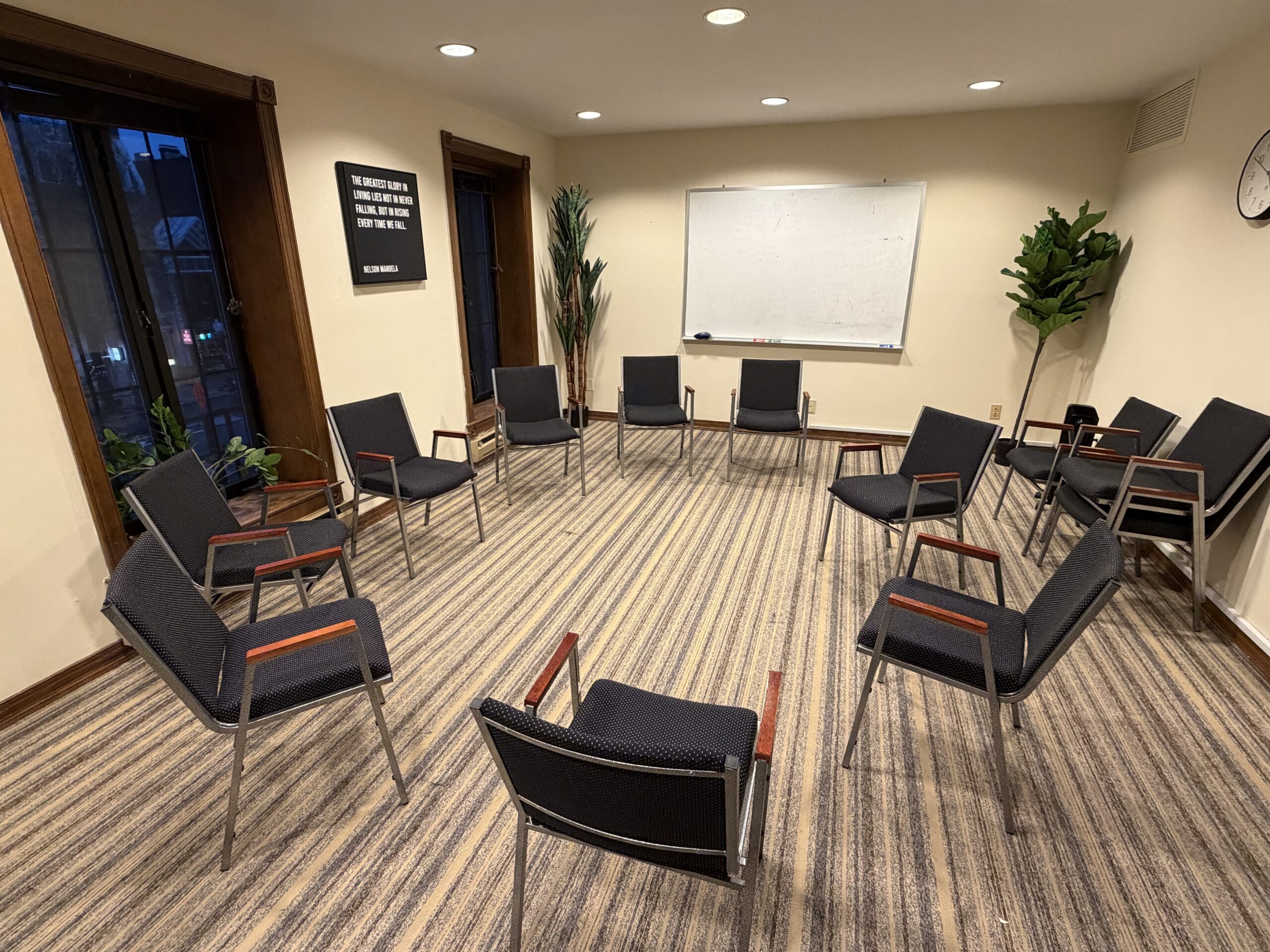
Treatment runs through our Intensive Outpatient Program, with three-hour sessions three to five days a week in daytime or evening tracks, then steps down to weekly care. Group therapy, individual counseling, and family sessions carry the work, and a psychiatrist manages any medication for a co-occurring condition in the same plan. You live at home throughout, keeping your job or studies. The intensive phase commonly runs about three months, followed by ongoing support, because the early stretch after stopping, when sleep and mood are still resettling, is when people are most likely to go back.
Call Now To Reach For Marijuana Addiction Treatment
Don’t wait for Cannabis addiction to take any more of your life from you!

Who outpatient cannabis treatment is right for
Outpatient treatment fits people who want structured help with weed but do not need to live at a facility, which is most people dealing with cannabis use. It works if you have a stable place to live and can attend several sessions a week around your commitments. It suits students whose use has crept into everything, professionals who cannot step away from work, and anyone who has tried to quit on their own and found the boredom, insomnia, or anxiety kept winning. If a heavier level of care turns out to fit better, we tell you honestly and help arrange it.
Insurance and cost
We are in-network with Aetna, Cigna, CareFirst BlueCross BlueShield including the Federal Employee Program, UnitedHealthcare and Optum, and Tricare, and we work with most other commercial plans. Most cover outpatient treatment with prior authorization; your out-of-pocket depends on your deductible and coinsurance. Send the verification form and our team confirms your benefits before your first visit, so cost is clear before treatment starts.
Frequently Asked Questions
Can you actually be addicted to marijuana?
Yes. Cannabis use disorder is a recognized condition marked by cravings, tolerance, and withdrawal symptoms like irritability and trouble sleeping when you stop. Legal does not mean non-addictive.
Is there medication for cannabis addiction?
No FDA-approved medication treats it directly. Treatment is behavioral therapy and psychiatric care, including medication for any anxiety, depression, or sleep problem underneath the use.
What is withdrawal from weed like?
Usually irritability, anxiety, trouble sleeping, low appetite, and cravings that peak in the first week and ease over a couple of weeks. It is uncomfortable rather than dangerous, and it is a common reason people relapse without support.
Can I keep working or studying during treatment?
Yes. Sessions run in daytime and evening tracks, so most people keep their job or classes throughout treatment.
How long does treatment last?
The intensive phase commonly runs about three months, then steps down to weekly care. Length follows your progress, not a fixed calendar.
What if I use weed to manage anxiety or sleep?
That is one of the most common patterns, and treatment addresses it head on. A psychiatrist treats the anxiety or sleep problem directly, so you are not relying on cannabis to do it.
Does insurance cover treatment?
Most commercial plans cover outpatient cannabis treatment with prior authorization. We are in-network with Aetna, Cigna, CareFirst, UnitedHealthcare, and Tricare, and verify your benefits before you start.