
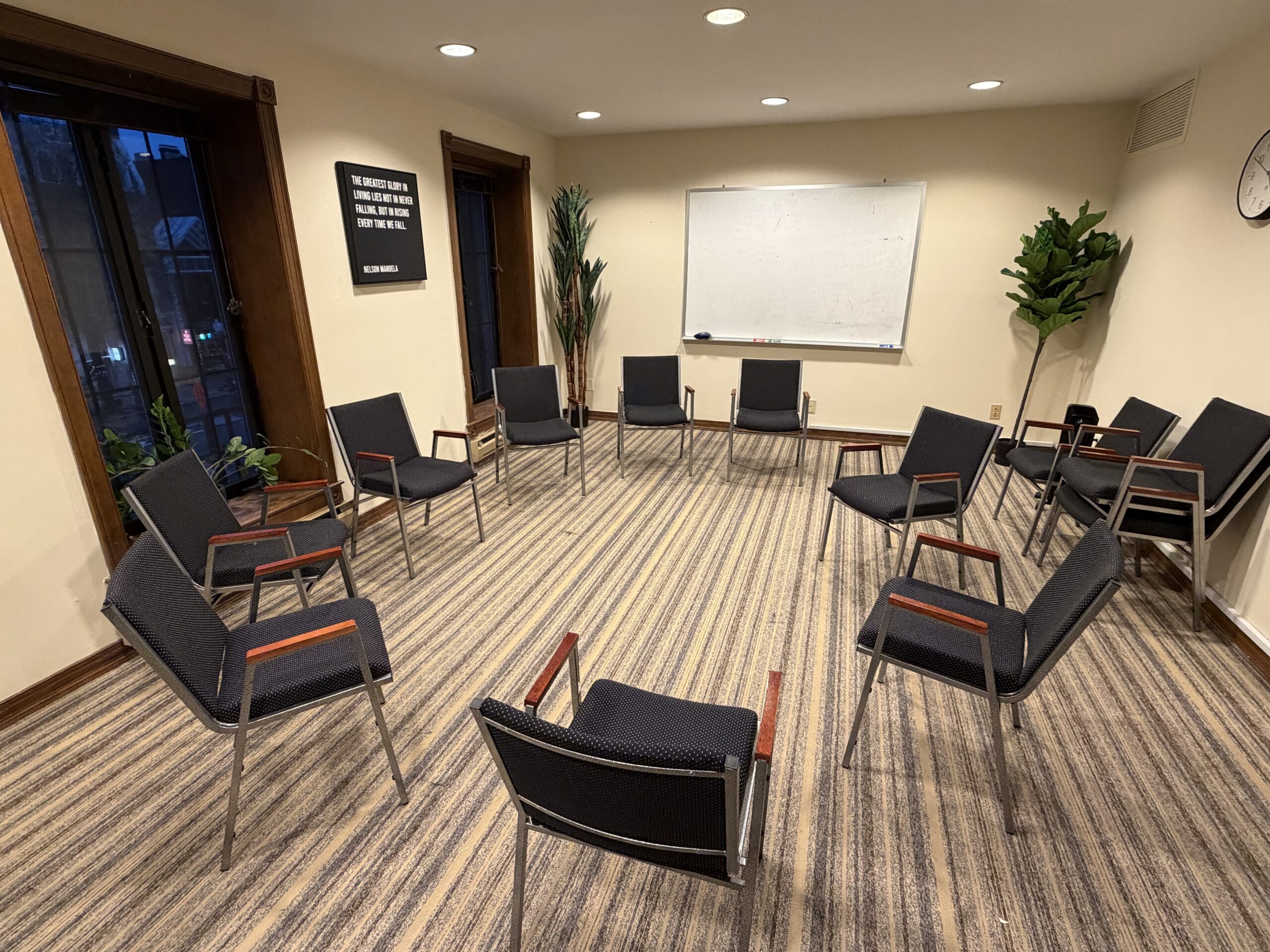
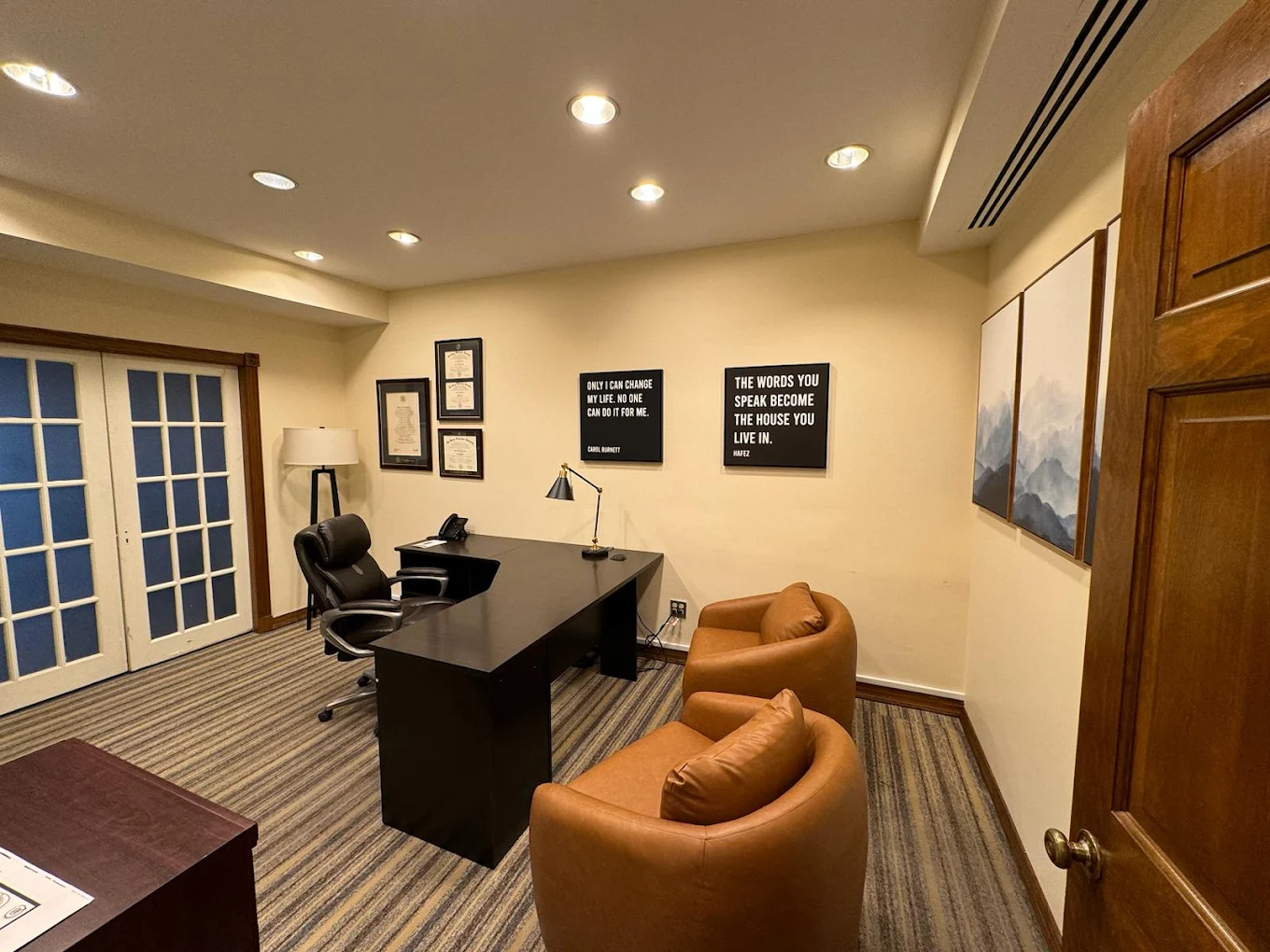
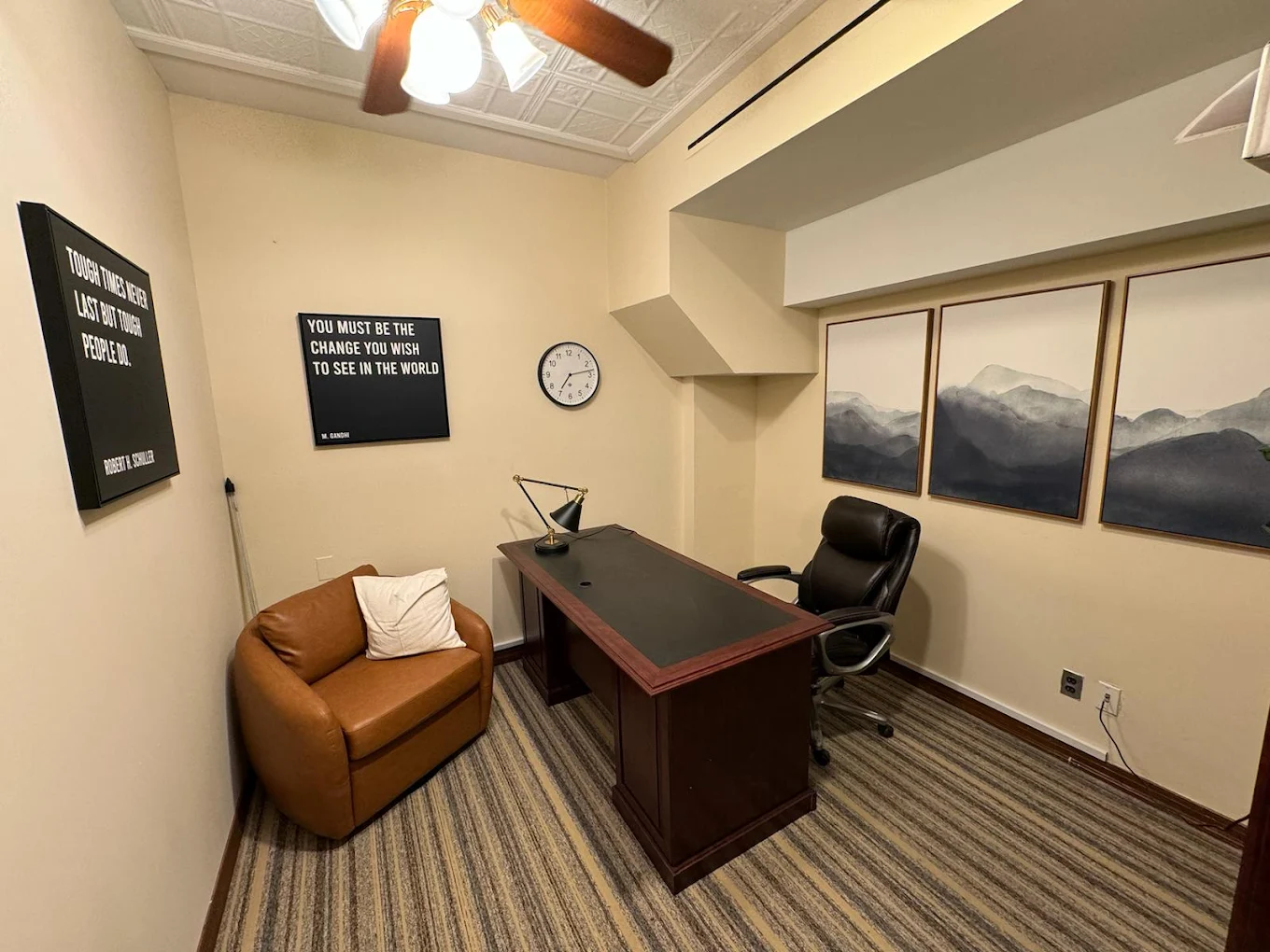




Alcohol addiction treatment at Vive Treatment Centers is a psychiatrist-led outpatient program for adults who want to stop drinking without stepping away from work, school, or family. Care runs through our Intensive Outpatient Program, three months at minimum, then steps down to weekly sessions. We combine therapy, medication that curbs cravings, and treatment for the depression or anxiety that often sits underneath the drinking. We accept all major Insurance.
What sets one alcohol program apart from another
The difference between alcohol programs is usually who runs them and whether they treat what is driving the drinking. Vive is led by a board-certified addiction psychiatrist, which means a physician evaluates you, prescribes and manages medication, and treats co-occurring depression, anxiety, or trauma as part of the same plan rather than sending you elsewhere for it. Many outpatient programs are counseling-only and refer to anything psychiatric. If you have tried talk therapy alone and the drinking came back, the missing piece is often an untreated mental health condition, and that is the gap a psychiatrist-led program is built to close. It also means medication decisions and mental health care happen under one roof, on one coordinated plan, instead of split across a counselor and an outside prescriber who never speaks.

Outpatient treatment when you cannot disappear for a month
Residential rehab asks you to leave your life for 28 days or longer, and for most working adults that is not possible or necessary. Outpatient treatment gives you the clinical structure of rehab while you keep living at home. You attend three-hour sessions, three to five days a week, in daytime or evening tracks, then step down to weekly care as you stabilize. You keep your job, stay with your family, and practice staying sober in the same environment where you will actually live, which is where relapse either happens or does not. Outpatient is the right level when you can stop drinking safely without hospitalization and have a stable place to live.
When alcohol withdrawal needs medical detox first
Alcohol is one of the few substances whose withdrawal can kill you. Heavy daily drinking can produce seizures or delirium tremens when it stops suddenly, so detox from alcohol should be medically supervised, never done alone at home. We do not run detox on-site. On your first call we assess whether you are physically dependent, and if you are, we arrange medically supervised detox at a partner facility, then admit you to our program once you are stable. Detox clears the physical dependence over a few days; the treatment that follows is what keeps you from going back. Anyone with past withdrawal seizures or DTs should treat detox as non-negotiable.
How we treat the drinking and what medications help
Treatment combines behavioral therapy with medication chosen for your situation. Cognitive Behavioral Therapy targets the situations and thoughts that lead to a drink; Dialectical Behavior Therapy builds skills for the stress and emotion that often drive alcohol use. Two medications carry strong evidence for alcohol use disorder and we prescribe both: naltrexone, which blunts the reward from drinking and reduces cravings, and acamprosate, which helps steady a brain adjusting to abstinence. A psychiatrist decides with you whether either fits, and manages it alongside any antidepressant or mood medication in one coordinated plan. Group and family sessions round out the week.

How long alcohol addiction treatment actually takes
People often arrive expecting a fixed 28 days because that is how residential rehab is packaged, but outpatient alcohol addiction treatment is measured by progress, not a set number of nights. Our intensive outpatient phase runs three months at minimum. That is long enough for new habits to hold under real-world pressure, not just inside a facility. From there you step down to weekly sessions and stay connected through the stretch where relapse risk is highest, the months after formal treatment ends. Some people need longer in the intensive phase, some move through it steadily; the plan flexes to what your recovery is actually doing rather than to a calendar.
Call Now for Alcohol Addiction Treatment
Don’t wait for alcohol addiction to take any more of your life from you!

When the person who needs help is not you
Families reach us when someone they love is drinking and will not accept residential treatment. Outpatient care is often easier to say yes to, because it does not require walking away from work or admitting to an extended absence. We talk with families about how to raise treatment without pushing the person further away, what an outpatient plan would ask of them, and how insurance and scheduling work. A direct conversation with our admissions team, before anyone has committed to anything, is usually the most useful first step. We cannot share medical information without consent, but we can help you understand the options.
Insurance and paying for treatment
We are in-network with Aetna, Cigna, CareFirst BlueCross BlueShield including the Federal Employee Program, UnitedHealthcare and Optum, and Tricare, and we work with most other commercial plans. Most cover outpatient alcohol treatment with prior authorization; your out-of-pocket depends on your deductible and coinsurance. Send the verification form and our admissions team confirms your benefits before your first visit, so the cost is clear before treatment starts, not after.
Frequently Asked Questions
How is a psychiatrist-led program different from regular alcohol counseling?
A physician evaluates you, prescribes and manages medication, and treats co-occurring depression or anxiety in the same plan. Counseling-only programs refer psychiatric care out, which can leave the condition driving the drinking untreated.
Do I have to detox before starting?
Only if you are physically dependent. Alcohol withdrawal can be dangerous, so we assess this on your first call and arrange supervised detox at a partner facility before admitting you if it is needed.
Can I keep working while in treatment?
Yes. Sessions run in daytime and evening tracks, so most people hold their jobs or stay in school throughout treatment.
How long does it take?
Our intensive outpatient program runs three months at minimum, then steps down to weekly sessions for as long as it helps. Length follows your progress, not a fixed calendar.
What medications treat alcohol use disorder?
Naltrexone and acamprosate, both evidence-based for reducing cravings and supporting abstinence. A psychiatrist decides with you whether either fits and manages it with any mental health medication.
What if my loved one refuses residential rehab?
Outpatient treatment is often an easier yes, since it does not require leaving work or home. Call us and we will talk through how to approach it and what a plan would involve.
Will insurance cover it?
Most commercial plans cover outpatient alcohol treatment with prior authorization. We are in-network with Aetna, Cigna, CareFirst, UnitedHealthcare, and Tricare, and verify your benefits before you start.