
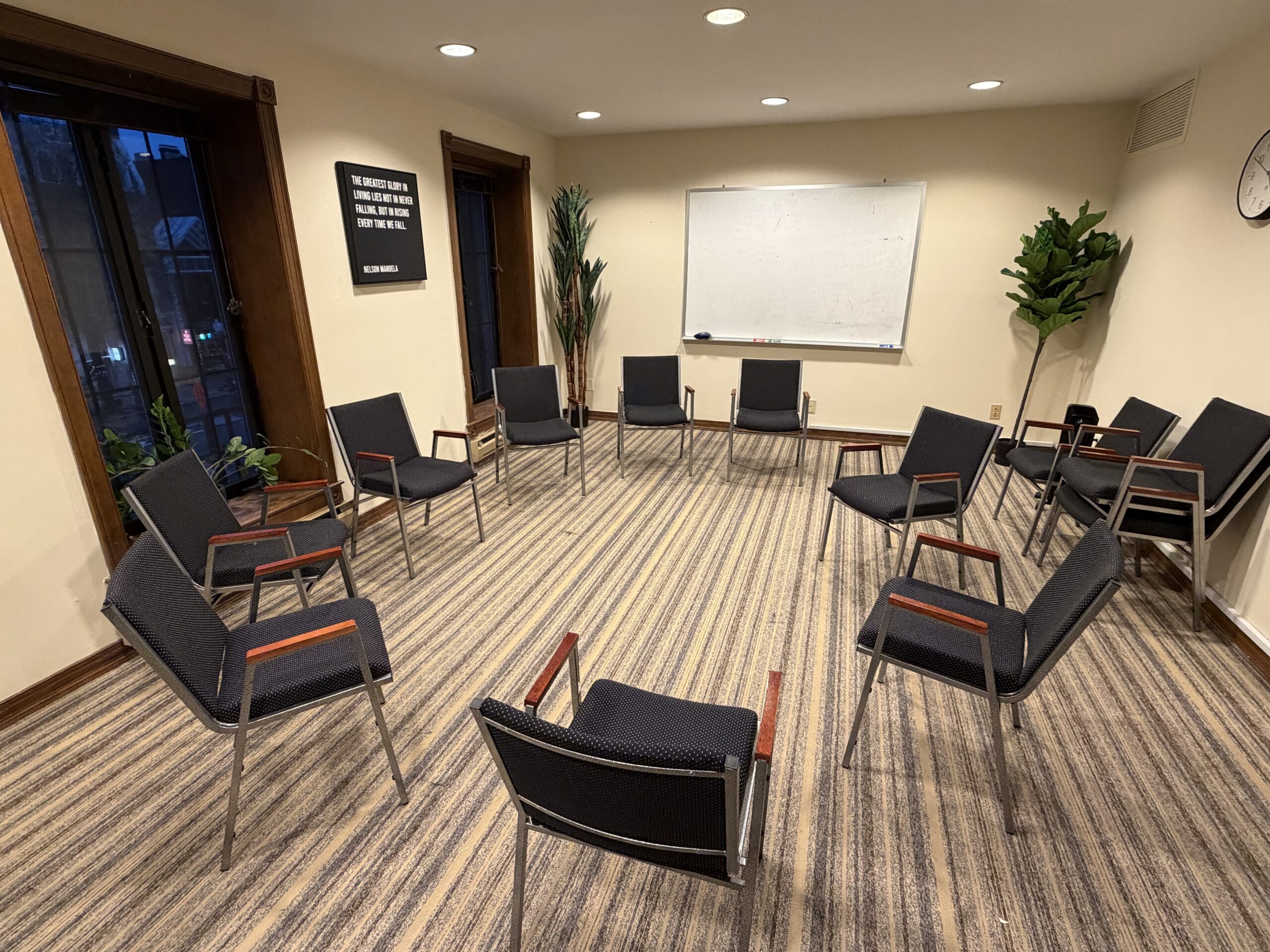






Fentanyl addiction treatment at Vive Treatment Centers is an intensive outpatient program that uses Suboxone to control cravings and withdrawal, paired with therapy and psychiatric care. You get medical treatment for fentanyl dependence while living at home, rather than moving into a facility. Fentanyl is a powerful synthetic opioid, and treating it well means medication plus counseling, not willpower alone. A psychiatrist leads care and treats the depression, anxiety, or trauma underneath the use. We accept all major Insurance.
Can fentanyl addiction be treated outpatient?
Yes, fentanyl addiction can be treated in an intensive outpatient program, and for many people it is the right level of care. There is a common assumption that fentanyl is too dangerous or too severe for anything short of residential treatment, but what actually determines the right level is your medical stability, your living situation, and whether medication can control your cravings, not the drug’s reputation. Once you are stabilized on Suboxone, outpatient treatment lets you do the real work of recovery while keeping your job, your home, and your support system. If you need medical stabilization first, we help arrange it, then bring you into the program. The point is that needing help with fentanyl does not automatically mean disappearing into a facility for a month.

Why fentanyl is different from other opioids
Fentanyl is far more potent than heroin or prescription painkillers, and that potency changes both the danger and the treatment. It takes a very small amount to cause an overdose, tolerance climbs fast, and because it leaves the body differently than other opioids, withdrawal can hit harder and start sooner. Many people using fentanyl do not even choose it directly; it is now mixed into heroin, counterfeit pills, and other drugs across the supply. All of this is why getting into treatment quickly matters more with fentanyl than with almost any other substance, and why medication is central rather than optional.
How we treat fentanyl addiction
Fentanyl treatment here pairs medication with therapy in the same program. We prescribe Suboxone, which controls fentanyl cravings and prevents withdrawal without producing a high, so you can stabilize and stay engaged in treatment. Because fentanyl lingers in the body, starting Suboxone requires careful timing, and our clinical team manages that first step closely so it is done safely. Alongside the medication, group therapy, individual counseling, and family sessions use Cognitive Behavioral Therapy and Dialectical Behavior Therapy to rebuild what fentanyl took over. A psychiatrist manages the medication and any co-occurring mental health condition on one plan.
Fentanyl withdrawal and starting medication
Fentanyl withdrawal is intense, and its timing can be unpredictable because fentanyl stores in the body’s fat and releases over time. Symptoms include severe body aches, nausea, sweating, agitation, and powerful cravings, and while withdrawal is rarely life-threatening on its own, it is difficult enough that many people cannot get through it without support. This is exactly what medication is for. Suboxone, started at the right point, suppresses withdrawal before it becomes unbearable, so recovery does not hinge on surviving days of misery by willpower. Because fentanyl complicates the timing of that first dose, doing it under clinical guidance rather than alone is safer and far more likely to work.

What an intensive outpatient program looks like
Our intensive outpatient program for fentanyl runs on three-hour sessions, three to five days a week, in daytime or evening tracks, then steps down to weekly care as you stabilize. You live at home throughout and receive your medication as part of the program rather than from a separate clinic. Group therapy anchors the week, individual counseling gives you one-on-one time, and family sessions bring in the people you live with, all while a psychiatrist manages your Suboxone and any mental health treatment. The intensive phase commonly runs about three months, followed by ongoing support through the stretch when relapse and overdose risk are highest.
Call Now To Reach A Caring Team Member For Fentanyl Addiction Treatment
Don’t wait for Fentanyl addiction to take any more of your life from you!

The urgency families feel is not an overreaction
Families often reach us terrified, because fentanyl has made the stakes of waiting higher than they have ever been. The fear that one more use could be fatal is not an exaggeration with this drug, and it makes the urgency of getting someone into treatment real. Outpatient treatment on Suboxone is frequently an easier yes for a hesitant person than residential rehab, because it does not require walking away from work or home to accept help. We talk with families about how to raise treatment without a confrontation that backfires, what the program asks of the person, and how insurance works, before anyone has committed to anything. We cannot share medical information without consent, but we can help you understand the options and move quickly.
Insurance and cost
We are in-network with Aetna, Cigna, CareFirst BlueCross BlueShield including the Federal Employee Program, UnitedHealthcare and Optum, and Tricare, and we work with most other commercial plans. Most cover outpatient fentanyl treatment and Suboxone with prior authorization; your out-of-pocket depends on your deductible and coinsurance. Send the verification form and our team confirms your benefits before your first visit, so cost is clear before treatment starts.
Frequently Asked Questions
Can fentanyl addiction really be treated in outpatient care?
Yes. Once you are stabilized on medication, an intensive outpatient program is an effective level of care for many people using fentanyl. What decides the right level is your medical stability and living situation, not the drug alone.
What medication treats fentanyl addiction?
Suboxone, which controls cravings and withdrawal. Because fentanyl stays in the body longer than other opioids, the timing of the first dose is managed carefully by our clinical team.
Why is fentanyl so much more dangerous than other opioids?
It is far more potent, so a very small amount can cause an overdose, and it is now mixed into much of the drug supply, meaning people are often exposed to it without knowing.
Is fentanyl withdrawal dangerous?
It is severe and can be unpredictable in timing, but it is rarely life-threatening on its own. Medication makes it manageable, which is why medically supervised treatment matters.
Can I keep working during treatment?
Yes. The program runs in daytime and evening tracks and you live at home, so most people keep working or studying while in treatment.
How long does treatment take?
The intensive phase commonly runs about three months, then steps down to weekly care. Suboxone may continue longer, because staying on it protects against relapse and overdose.
Does insurance cover treatment?
Most commercial plans cover outpatient fentanyl treatment with prior authorization. We are in-network with Aetna, Cigna, CareFirst, UnitedHealthcare, and Tricare, and verify your benefits before you start.