







When you use cocaine, it blocks norepinephrine reuptake in your sympathetic nervous system, causing your iris dilator muscle to contract rapidly and producing pronounced mydriasis within minutes. You’ll notice markedly dilated pupils, bloodshot sclera, and a glassy, wide-eyed appearance. These effects impair your near-focus ability and heighten light sensitivity. Chronic exposure increases your risk of corneal ulceration, retinal artery occlusion, and irreversible vision loss, each mechanism worth understanding in greater detail below.
What Do Cocaine Eyes Actually Look Like?

When cocaine enters the bloodstream, its stimulant effects reach the eyes within minutes, producing a distinct set of visual changes that are difficult to conceal. You’ll notice markedly dilated pupils that appear considerably larger than normal, giving the iris a darkened, wide-open appearance. The sclera often develops visible vascular congestion, resulting in bloodshot eyes with pronounced redness across the conjunctival surface.
Cocaine eyes typically present with a glossy, glassy sheen alongside rapid blinking or involuntary eyelid twitching. You may also observe light sensitivity causing squinting, watery discharge from overstimulation, or paradoxical dryness that leaves the eyes looking strained. These features intensify with dosage, mild use produces subtle pupillary enlargement, while heavier consumption creates unmistakable dilation paired with prominent scleral redness. This heightened sensitivity to light often compels individuals to wear sunglasses even in indoor or dimly lit settings, serving as another telltale indicator of cocaine use.
Why Does Cocaine Dilate Your Pupils So Fast?
Because cocaine acts as a potent sympathomimetic agent, it triggers pupil dilation almost immediately by blocking norepinephrine reuptake at adrenergic nerve terminals throughout the body, including those innervating the iris dilator muscle. This stimulant action floods synaptic clefts with norepinephrine, overwhelming parasympathetic tone and forcing rapid mydriasis. Your autonomic nervous system shifts into sympathetic dominance within minutes, producing visibly enlarged pupils alongside tachycardia and heightened alertness.
| Mechanism | Clinical Effect |
|---|---|
| Norepinephrine reuptake blockade | Sustained iris dilator muscle contraction |
| Sympathetic surge activation | Rapid, pronounced pupil dilation |
| Parasympathetic suppression | Reduced pupillary constriction reflex |
Higher doses and faster administration routes, smoking or insufflation, accelerate absorption, intensifying adrenergic signaling and producing more dramatic, sustained mydriasis. Because this forced dilation allows excessive light to flood the retina, prolonged cocaine use can lead to potential eye damage over time.
How Long Do Cocaine Eye Effects Last?
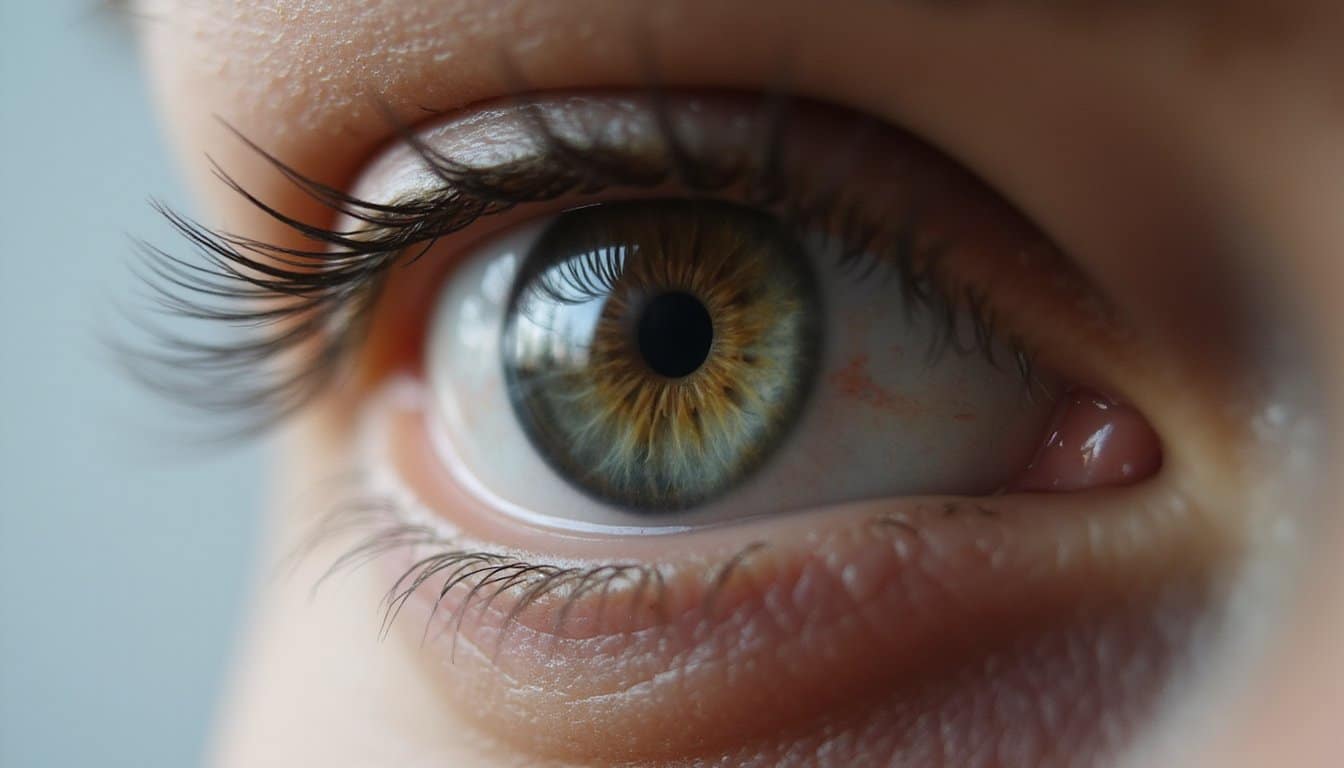
When you use cocaine, your pupils typically dilate within minutes and remain enlarged for one to two hours, though larger doses or repeated use can extend dilation for a full day or longer. In the short term, you’ll likely notice light sensitivity, blurry vision, and bloodshot or watery eyes that generally resolve within several hours as the drug’s sympathomimetic effects on your iris dilator muscle subside. Creating a quiet, dim environment can help ease discomfort during this recovery period. If you use cocaine chronically, these eye effects can become more persistent, with prolonged dryness, irritation, and irregular pupil reactivity signaling cumulative damage to your ocular and autonomic nervous systems.
Pupil Dilation Duration
Although cocaine’s euphoric effects may feel short-lived, the drug’s impact on your pupils follows a measurable timeline tied directly to sympathetic nervous system activation. Pupil dilation typically begins within minutes of cocaine use, with onset speed depending on the route of administration. Smoked or injected forms trigger dilation within seconds, while intranasal use initiates changes within one to three minutes.
These short-term symptoms generally persist for 30 minutes to two hours during acute intoxication, though higher doses can extend dilation considerably. Some individuals report noticeable pupil changes lasting up to six hours. Your pupils typically begin returning to baseline within a few hours, with full normalization occurring within 24 to 48 hours. Binge patterns or sleep deprivation can delay this recovery further.
Short-Term Vision Changes
Given that cocaine rapidly stimulates the sympathetic nervous system, its short-term effects on vision extend well beyond pupil dilation alone. You may experience temporary blurred vision, particularly at close range, as high doses can induce cycloplegia, paralysis of the ciliary muscle responsible for focusing. Pupil enlargement reduces your eye’s ability to regulate incoming light, directly triggering light sensitivity that can persist into the following day.
Short-term eye symptoms typically emerge within seconds to minutes depending on your route of administration. Smoked cocaine produces the fastest onset, while oral ingestion delays effects. You might also notice rapid eye movements, eyelid twitching, or flutter during intoxication. Most acute visual disturbances resolve within six hours, though residual sensitivity and dryness can linger up to 48 hours post-use.
Chronic Use Lasting Effects
Because cocaine’s sympathetic stimulation resets with each use, chronic users experience overlapping cycles of pupil dilation, ciliary muscle paralysis, and vascular constriction that compound over time. You’re not simply repeating a single episode, you’re layering cumulative damage across ocular tissues with each exposure.
Chronic use produces structural changes including upper eyelid retraction and exophthalmos, giving your eyes a persistently wide, protruding appearance. These alterations reduce eyelid coverage, accelerating corneal dryness and ulceration risk.
Vascular consequences are equally severe. Repeated vasoconstriction starves retinal and optic nerve tissues of adequate perfusion, raising your risk of retinal artery occlusion and ischemic optic neuropathy. Either condition can trigger sudden, irreversible vision loss. Once vascular or structural damage reaches a critical threshold, effects persist independently of continued use, making early recognition essential.
How Cocaine Eyes Affect Your Vision and Focus
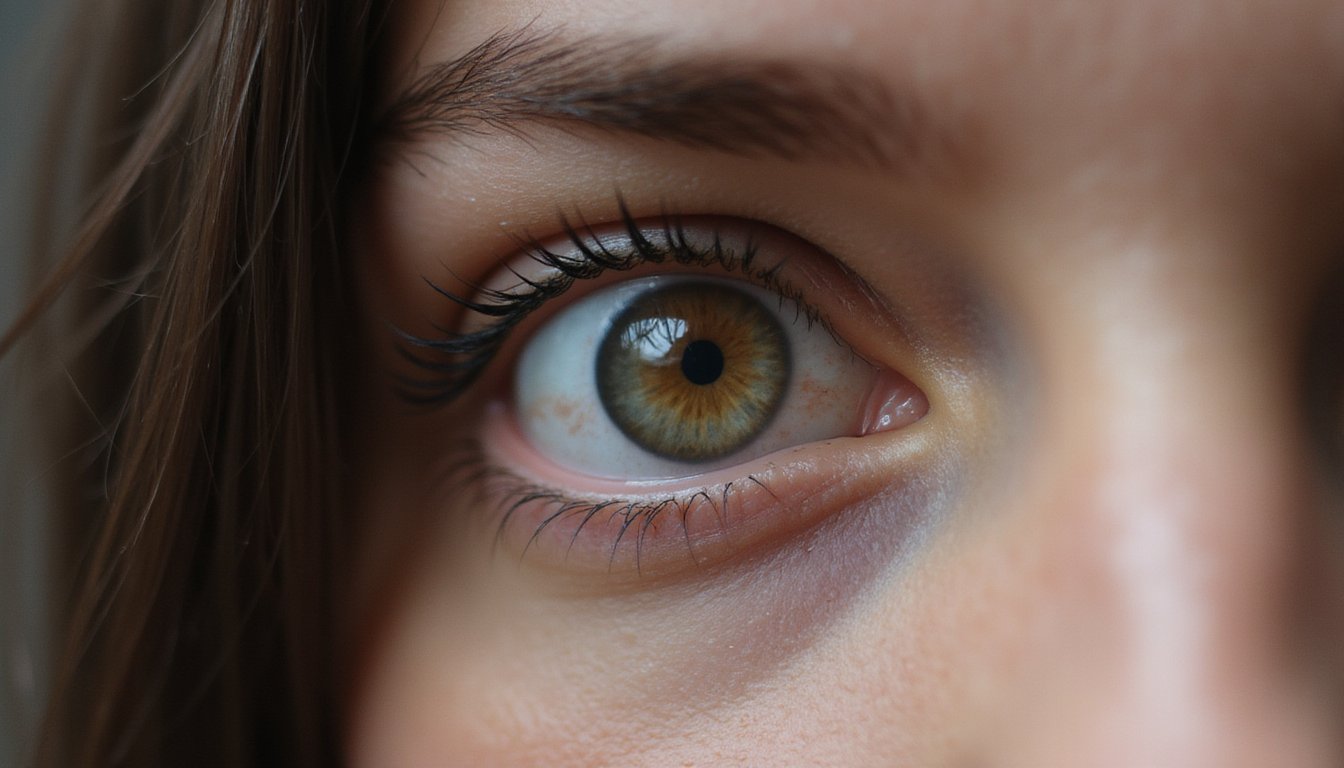
Cocaine’s sympathomimetic effects can temporarily paralyze your ciliary muscle, a condition called cycloplegia, which directly impairs your ability to focus on near objects and produces blurry vision during close tasks like reading or screen use. At the same time, your dilated pupils let excess light flood the retina, intensifying photophobia and making bright environments physically uncomfortable. These combined disruptions to your eye’s focusing and light-regulating mechanisms can greatly degrade visual clarity and comfort until the drug’s acute effects subside.
Blurry Near Vision Effects
When cocaine enters the bloodstream, it triggers sympathetic nervous system activation that directly affects the eye’s ability to focus at close range. Pupil dilation reduces your depth of focus, making near tasks like reading or texting noticeably harder. Excess light flooding through enlarged pupils washes out fine detail and intensifies light sensitivity, particularly under bright conditions.
You may experience blurry vision at close distances while far objects remain relatively clear. Squinting, eye rubbing, and rapid blinking often follow as compensatory responses. Bloodshot eyes, dryness, and burning sensations can further destabilize visual clarity.
If near blur persists after drug effects subside, you shouldn’t dismiss it. Repeated episodes may signal vascular compromise to ocular tissues. Any blur accompanied by severe pain or vision loss requires urgent evaluation.
Temporary Focusing Muscle Paralysis
Beyond the blurry near vision that dilated pupils produce, cocaine disrupts the ciliary muscle‘s ability to contract and hold focus, a temporary focusing muscle paralysis of your eye’s primary focusing mechanism. Excess adrenergic stimulation overrides the parasympathetic signals your ciliary muscle requires to reshape the lens for near tasks. Without that contraction, your accommodation response stalls.
This paralysis compounds the effects of pupil enlargement. Your dilated iris can’t narrow the aperture to sharpen depth of field, while your ciliary muscle simultaneously fails to fine-tune lens curvature. The result is compounded visual strain during reading, screen work, or any task demanding sustained close focus.
You may not recognize these deficits immediately. Cocaine’s stimulant properties mask early fatigue signals, allowing functional impairment to progress before you perceive it.
Light Sensitivity Increases
Because cocaine-driven norepinephrine surges dilate your pupils well beyond their normal aperture, your eyes lose their primary defense against excessive light intake. Your cocaine pupils allow unchecked photon exposure to flood the retina, triggering acute light sensitivity that can persist for several hours.
This photosensitivity manifests through distinct clinical indicators:
- Pronounced glare intolerance in sunlit or artificially bright environments
- Reflexive squinting and rapid blinking as your corneal reflex compensates
- Irregular eye movements driven by involuntary attempts to avoid direct light sources
- Screen and near-vision strain due to retinal overstimulation
- Compensatory sunglasses use indoors, signaling underlying pupil dysfunction
Repeated cocaine exposure can intensify these responses, making light sensitivity more persistent. If you’re experiencing ongoing photophobia alongside pain or blurred vision, seek ophthalmologic evaluation promptly.
Why Cocaine Eyes Look Wide Open and Twitchy
Although cocaine’s effects span multiple organ systems, the eyes often display the earliest and most visible signs of stimulant activity. When you use cocaine, sympathetic nervous system activation triggers rapid pupil dilation. Your pupils enlarge as the “fight-or-flight” response overrides normal constriction reflexes, creating that characteristic wide-eyed appearance.
Beyond dilation, cocaine effects on eyes include neuromuscular overstimulation that produces eyelid fluttering, rapid blinking, and uncontrolled eye movements. These involuntary responses reflect excessive nervous system arousal rather than isolated ocular pathology. Simultaneously, vasoconstriction reduces blood flow to ocular tissues, contributing to redness and a strained appearance. The combination, dilated pupils, twitching lids, and bloodshot sclera, produces a distinctly altered look that intensifies with higher doses and repeated administration.
Can Cocaine Damage Your Eyes and Corneas?
The visible signs of stimulant activity in the eyes, dilation, twitching, redness, represent temporary neuromuscular responses, but cocaine can also inflict direct structural damage to the cornea and surrounding ocular tissues.
Cocaine contacts the corneal epithelium through smoke, powder particulates, or hand-to-eye transfer, producing measurable corneal damage that progresses through identifiable stages:
- Epithelial defects and surface abrasions from chemical or mechanical irritation
- Decreased corneal sensitivity, documented in all 26 subjects in one clinical study
- Neurotrophic keratitis with silent corneal injury despite minimal symptoms
- Reduced tear production and prolonged interblink intervals compounding surface vulnerability
- Infectious keratitis from barrier compromise, particularly in crack cocaine users
You may experience eye irritation, blurred vision, or foreign-body sensation. However, diminished corneal sensitivity can mask significant damage, making ophthalmic evaluation essential even without symptoms.
Can Cocaine Eyes Lead to Permanent Vision Loss?
How far can cocaine’s effects on the eyes actually progress? Beyond temporary pupil dilation and irritation, cocaine abuse can cause permanent vision damage through several critical mechanisms. Retinal artery occlusion cuts blood supply to your retina, triggering sudden, severe vision loss within hours. If circulation isn’t restored quickly, ischemic damage becomes irreversible. Cocaine’s effects on pupil dilation can also lead to increased sensitivity to light, affecting an individual’s overall ability to see comfortably.
Optic nerve damage represents another serious pathway. Cocaine-induced vasoconstriction and inflammation can injure the nerve fibers connecting your eye to your brain, reducing visual acuity, color perception, and peripheral vision permanently.
Corneal ulcers, endophthalmitis, and chronic vascular dysfunction compound these risks with repeated exposure. When blood vessel compromise, infection, and inflammation converge, your likelihood of irreversible outcomes increases substantially. Early recognition remains essential, some cocaine-related eye injuries don’t resolve.
When to See a Doctor About Cocaine Eye Symptoms
Recognizing when cocaine-related eye symptoms cross from transient discomfort into a clinical emergency can determine whether you retain full visual function. Seek immediate medical evaluation if you experience:
Knowing the line between temporary eye discomfort and a cocaine-related emergency could save your vision.
- Sudden vision loss or severe ocular pain indicating potential vascular occlusion or corneal compromise
- Unequal or fixed pupils suggesting autonomic dysfunction or neurologic involvement
- Double vision paired with headache, pointing to elevated intracranial pressure or stroke
- Cocaine eyes accompanied by chest pain, confusion, or facial swelling signaling systemic toxicity
- Persistent eye symptoms lasting beyond 48 hours despite cessation of use
Don’t dismiss recurring redness, photophobia, or chronic dryness as routine. Disclose your cocaine use history to your ophthalmologist so they can perform targeted diagnostic assessments.
Your New Beginning Is Just One Call Away
If you’ve noticed cocaine taking a visible toll on your body or someone you love, recovery is possible with the right care by your side. At Vive Treatment Centers in Washington, DC, our caring professionals deliver dependable Cocaine Addiction Treatment built around your unique needs and circumstances. Call (202) 506-3490 today and begin a healthier chapter in your life.
Frequently Asked Questions
Can Eye Drops Hide the Signs of Cocaine Eyes?
Eye drops can’t fully hide the signs of cocaine eyes. While redness-relief drops may temporarily reduce bloodshot appearance, they won’t reverse your dilated pupils, the most telling indicator of stimulant use. They also don’t restore normal tear production or correct vasoconstriction affecting your ocular blood flow. Overusing decongestant drops can trigger rebound redness, worsening your eye’s appearance over time. You’re masking symptoms, not eliminating them, and delaying recognition of potentially serious complications.
Do Cocaine Eyes Look Different From Eyes Affected by Other Stimulants?
Cocaine eyes look very similar to eyes affected by other stimulants, since they all trigger pupil dilation through sympathetic activation. You’ll notice dilated pupils, wide-open lids, and heightened alertness across cocaine, amphetamines, and MDMA alike. However, cocaine’s rapid onset and shorter duration can distinguish its presentation. You may also see cocaine-specific findings like retinal vascular changes, exophthalmos, and upper eyelid retraction with chronic use, features you won’t typically find with other stimulants.
Can Secondhand Crack Smoke Cause Eye Dilation or Irritation?
Secondhand crack smoke can definitely irritate your eyes, causing redness, burning, dryness, and light sensitivity through direct chemical and heat exposure to your conjunctival and corneal surfaces. However, it’s unlikely to dilate your pupils, since pupil dilation requires systemic cocaine absorption rather than surface-level contact. If you’re experiencing pupil enlargement after exposure, you should consider direct contamination or another medical cause. Repeated exposure increases your risk of ocular surface injury.
Are Some People’s Eyes More Affected by Cocaine Than Others?
Yes, your individual anatomy and health history directly influence how cocaine affects your eyes. If you have naturally large pupils, pre-existing dry eye, contact lens use, or elevated intraocular pressure, you’ll likely experience more pronounced dilation, irritation, and redness. Differences in eyelid positioning, orbital structure, and underlying vascular or neurological vulnerabilities also determine whether you develop more visible symptoms or face higher risk for serious complications like corneal ulcers or retinal vascular injury.
Can a Doctor Tell You Used Cocaine Just by Examining Your Eyes?
A doctor can’t confirm cocaine use just by examining your eyes. They may notice dilated pupils, bloodshot sclera, or light sensitivity, signs that suggest stimulant exposure, but these findings aren’t exclusive to cocaine. Amphetamines, certain medications, and neurologic conditions can produce similar pupil and conjunctival changes. Your doctor can suspect recent use based on eye appearance combined with other clinical findings, but they’ll need toxicology testing to confirm it definitively.