







Cocaine dilates your pupils, a response called mydriasis, by blocking norepinephrine reuptake at sympathetic nerve terminals in your eye. This floods the synaptic cleft with norepinephrine, overstimulating your iris dilator muscle and overriding the parasympathetic signals that normally keep your pupils constricted. You’ll notice dilation within minutes of use, and it can persist for one to six hours depending on dose and route of administration. Understanding the full clinical picture, including other eye changes and warning signs, can help you distinguish cocaine’s effects from more serious conditions.
Does Cocaine Dilate or Constrict Pupils?
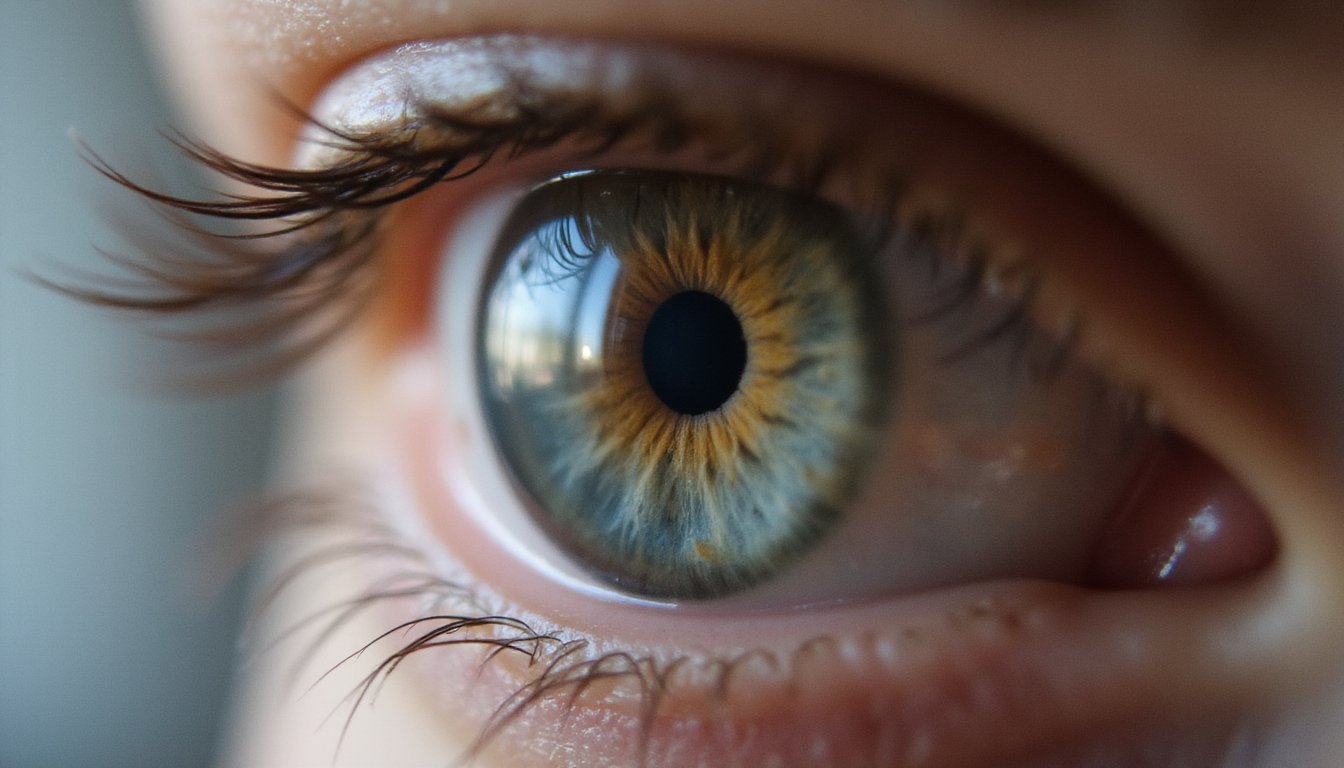
When cocaine enters the bloodstream, it triggers sympathetic nervous system activation, which directly causes the pupils to dilate, not constrict. This response, known as cocaine mydriasis, occurs because cocaine blocks norepinephrine reuptake at sympathetic nerve terminals innervating the iris dilator muscle. The resulting neurotransmitter surplus forces sustained pupil enlargement, even under bright lighting conditions.
If you’re wondering whether cocaine dilates pupils consistently, the answer is yes, dilation is the hallmark ocular response. Pupils on cocaine typically remain visibly enlarged for one to two hours post-use, though duration varies with dose and route of administration. Pinpoint constriction, by contrast, signals opioid influence. Recognizing this distinction helps you differentiate stimulant exposure from depressant use based on pupil presentation alone. This pronounced dilation allows more light to enter the eye, which is why cocaine users often experience increased sensitivity to light and may actively avoid bright environments.
Why Cocaine Makes Your Pupils Larger
When you use cocaine, it blocks the reuptake of norepinephrine at nerve terminals, causing this neurotransmitter to accumulate in synaptic clefts and intensify sympathetic nervous system signaling. This heightened sympathetic activation stimulates the dilator pupillae muscle of the iris, triggering the same pupil dilation you’d experience during a fight-or-flight response. Your pupils enlarge because the sustained norepinephrine activity overrides the parasympathetic signals that would normally constrict them, keeping them dilated even in bright light. This dilation also creates an increased sensitivity to light, which is why many cocaine users resort to wearing sunglasses even in indoor or nighttime settings.
Norepinephrine Blocks Reuptake
Because cocaine blocks the reuptake of norepinephrine at presynaptic nerve terminals, this neurotransmitter accumulates in the synaptic cleft and sustains activation of adrenergic receptors far longer than normal. This norepinephrine reuptake blockade directly stimulates alpha-1 adrenergic receptors on the iris dilator muscle, causing it to contract and widen your pupil. The result is mydriasis, abnormally enlarged pupils that persist even under bright lighting conditions.
You’ll notice cocaine pupil dilation can last for hours, depending on the dose, your tolerance level, and the route of administration. Unlike anticholinergic-induced dilation, your pupils may still partially respond to light because the parasympathetic constriction pathway remains intact. However, the dominant sympathetic drive from excess norepinephrine keeps your iris dilator muscle engaged, maintaining visibly larger pupils throughout the drug’s active period. This sustained sympathetic overstimulation also disrupts normal autonomic processes like blinking, which can lead to dry eye syndrome and insufficient moisture on the eye’s surface.
Sympathetic Nervous System Activation
When you use cocaine, sympathetic dominance overrides parasympathetic constriction, producing measurable cocaine pupil size increases: Eye appearance due to cocaine can often reveal the substance’s effects more than any other physical sign. Eye changes caused by cocaine use can include dilation and a glazed appearance that signal the drug’s presence.
- Dilator pupillae contraction: Sympathetic drive activates this radial muscle, widening your pupil from a normal 2, 4 mm to approximately 6, 8 mm.
- Suppressed light reflex: Your pupils remain dilated even in bright environments where constriction would normally occur.
- Sustained autonomic imbalance: This disruption persists for 30 minutes to several hours, depending on dose and administration route.
Fight-or-Flight Pupil Response
So do pupils dilate on cocaine because of a single pathway? Not exactly. Cocaine blocks norepinephrine reuptake, flooding adrenergic receptors that sustain the fight-or-flight cascade. This keeps your dilator pupillae muscle contracted longer than a natural stress response would. The result is pronounced, persistent mydriasis that can begin within seconds of smoked or injected use and last one to six hours depending on dose and administration route.
How Long Do Cocaine-Dilated Pupils Last?
When you use cocaine, pupil dilation typically begins within minutes of administration, with the exact onset depending on whether the drug is smoked, injected, or snorted. Most clinical observations place the duration of noticeable mydriasis between 30 minutes and 2 hours, though some reports document effects persisting for up to 6 hours after use. Your dose size, route of administration, individual metabolism, and tolerance level all directly influence how long your pupils remain enlarged beyond their baseline diameter.
Onset After Use
Cocaine-induced pupil dilation typically begins within minutes of use, though the exact onset depends heavily on the route of administration. When you smoke or inject cocaine, norepinephrine reuptake inhibition triggers sympathetic activation almost immediately, driving mydriasis within seconds to minutes.
Key onset factors include:
- Smoked or injected cocaine produces the fastest dilation, often appearing within seconds as the drug rapidly crosses the blood-brain barrier.
- Snorted cocaine generates a slower onset, with pupillary changes developing over several minutes as absorption occurs through nasal mucosa.
- Oral cocaine yields the most gradual response, producing milder sympathetic eye effects due to slower gastrointestinal absorption.
You’ll likely notice accompanying light sensitivity, bloodshot eyes, or excessive tearing shortly after dilation begins, reflecting broader sympathetic nervous system engagement.
Typical Duration Range
Once cocaine’s sympathetic surge begins subsiding, pupil dilation doesn’t resolve instantly, it typically persists for about 1, 2 hours after intranasal use, though the exact window shifts depending on dose, route, and individual metabolism. Smoked crack cocaine produces shorter-lived mydriasis, often resolving within 20, 30 minutes to one hour, while intravenous administration typically shows dilation for roughly 30, 60 minutes.
Larger or repeated doses can extend visible mydriasis to approximately 4, 6 hours. Even after your pupils begin trending toward baseline, residual light sensitivity and ocular dryness may linger into the following day. Most short-term eye symptoms generally fade within 1, 2 days. If you notice prolonged or markedly abnormal pupil size beyond these expected windows, you should seek medical evaluation to rule out co-substance use or underlying neurological concerns.
Factors Affecting Duration
The timelines outlined above represent general ranges, but several interacting variables shift how long your pupils stay dilated after cocaine exposure.
- Route of administration and dose intensity. Smoked cocaine triggers mydriasis within seconds, producing abrupt sympathetic activation. Snorted cocaine follows a slower onset over one to three minutes. Higher doses amplify adrenergic stimulation, prolonging the period your pupils remain enlarged.
- Metabolic rate and tolerance. If you metabolize cocaine rapidly, dilation resolves sooner. Chronic use builds tolerance, potentially reducing visible mydriasis intensity but extending autonomic dysregulation.
- Co-occurring substance use. Concurrent stimulants, hallucinogens, or serotonergic medications like SSRIs compound pupil dilation. Mixed substance exposure makes both duration and severity less predictable, complicating any attempt to estimate when your pupils will return to baseline.
What Do Cocaine Eyes Look Like?
When cocaine enters the bloodstream, it triggers a rapid sympathetic nervous system response that visibly alters the eyes’ appearance. You’ll notice pronounced mydriasis, the pupils enlarge considerably, making the dark center of the eye appear unusually prominent, even in well-lit environments. This dilation occurs within minutes of use. Cocaine eye signs and symptoms can also include redness in the eyes and heightened sensitivity to light.
Beyond pupil size, you may observe bloodshot sclera from vascular changes, often worsened by sleep deprivation. The eyes can appear glassy or glossy due to reduced blink rates and dry eye symptoms caused by overstimulation. Photophobia frequently accompanies dilation, producing squinting under bright light. You might also detect mild eyelid twitching, rapid blinking, or restless eye movements reflecting central nervous system hyperactivity. In some cases, tearing alternates with dryness, creating a distinctive watery-glassy appearance.
Why Pinpoint Pupils Point to a Different Drug
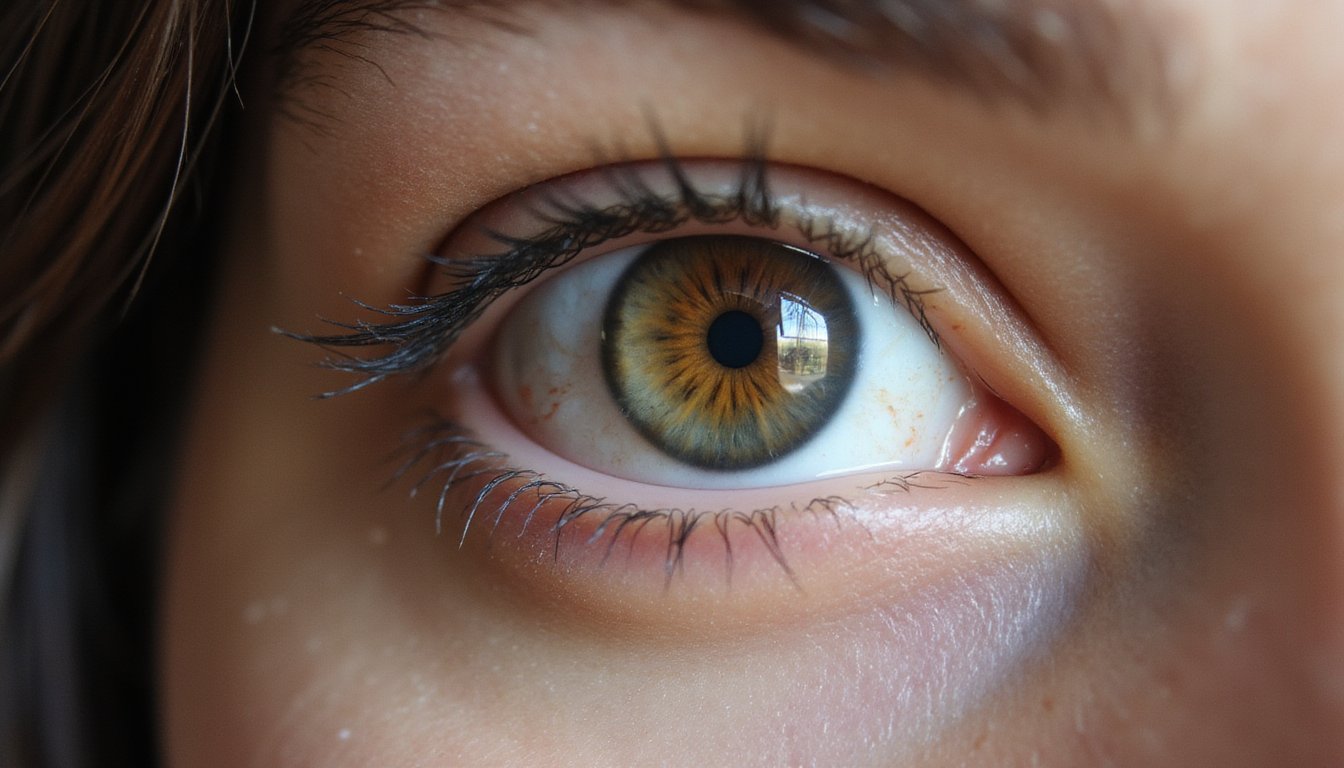
Because cocaine consistently produces mydriasis through norepinephrine reuptake inhibition, observing pinpoint pupils, clinically termed miosis, signals exposure to an entirely different drug class. Opioids acting on μ-receptors constrict your pupils by stimulating the Edinger-Westphal nucleus, producing the opposite parasympathetic response cocaine triggers.
Consider these distinguishing indicators:
- Opioid-induced miosis presents with severely constricted, sluggishly reactive pupils alongside respiratory depression, a toxidrome incompatible with cocaine’s sympathomimetic profile.
- Cocaine-induced mydriasis pairs with tachycardia, agitation, and heightened alertness, reflecting adrenergic dominance.
- Mixed-substance use can blur expected pupillary findings, making isolated eye assessment unreliable without evaluating the full clinical picture.
If you’re observing pinpoint pupils with altered consciousness and slowed breathing, you’re likely identifying opioid toxicity rather than stimulant intoxication.
When Dilated Pupils May Signal Something Serious
Although dilated pupils often accompany cocaine’s sympathomimetic effects, sudden or unexplained mydriasis can signal a far more dangerous underlying condition requiring immediate evaluation. Unilateral dilation raises concern for third-nerve palsy, intracranial aneurysm, or traumatic brain injury with rising intracranial pressure.
You should treat fixed, nonreactive pupils as a neurologic emergency, especially when accompanied by severe headache, altered consciousness, or focal deficits like slurred speech or facial droop. Acute angle-closure glaucoma can also produce a dilated pupil alongside eye pain, nausea, and vision loss.
When cocaine use involves polysubstance exposure, pupil findings become less predictable, and systemic toxicity, marked by hyperthermia, tachycardia, or delirium, demands emergency intervention. Dilation persisting well beyond cocaine’s expected duration warrants prompt clinical assessment to exclude serious pathology.
Your New Beginning Is Just One Call Away
If you’ve noticed cocaine taking a visible toll on your body or someone you love, recovery is possible with the right care by your side. At Vive Treatment Centers in Washington, DC, our caring professionals deliver dependable Cocaine Addiction Treatment built around your unique needs and circumstances. Call (202) 506-3490 today and begin a healthier chapter in your life.
Frequently Asked Questions
Can Cocaine Use Cause Permanent Changes to Your Vision Over Time?
Yes, cocaine can cause permanent changes to your vision over time. Chronic use damages your retinal blood vessels, increasing your risk of retinal vascular occlusion and lasting vision loss. It can also harm your optic nerve, leading to optic neuropathy. You may develop corneal ulcers that scar and impair sight, along with persistent focusing problems like cycloplegia. Repeated vasoconstriction creates cumulative ocular injury, making early intervention critical for preserving your vision.
Do Both Crack and Powder Cocaine Affect Pupils the Same Way?
Yes, both crack and powder cocaine dilate your pupils through the same mechanism, they block norepinephrine reuptake, increasing sympathetic nervous system activity. The key difference isn’t direction of pupil change but speed and intensity. When you smoke crack, dilation hits within seconds because the drug reaches your brain faster. Snorting powder cocaine produces a slower onset. Either form can cause marked mydriasis, light sensitivity, and bloodshot eyes.
Can Eye Drops Hide Cocaine-Related Pupil Dilation From Detection?
Eye drops won’t reliably hide cocaine-related pupil dilation from detection. While certain constricting drops can temporarily reduce your pupil size, they don’t eliminate other telltale signs, like light sensitivity, rapid blinking, bloodshot eyes, or impaired pupil reactivity. A trained examiner can still assess how your pupils respond to light, not just their size. Additionally, toxicology screening detects cocaine exposure regardless of any cosmetic measures you’ve applied to your eyes.
Does Mixing Cocaine With Alcohol Change How Pupils Respond?
Mixing cocaine with alcohol doesn’t typically reverse cocaine’s pupil-dilating effect. You’ll still experience mydriasis because cocaine’s sympathetic activation and norepinephrine reuptake inhibition remain dominant. However, alcohol adds sedation and slows your pupillary light reflex, creating less predictable responses. Together, these substances form cocaethylene, which prolongs cardiovascular stress and may intensify visible eye changes. You’re likely to notice prolonged dilation, increased redness, and heightened light sensitivity compared to using either substance alone.
Can a Doctor Tell You Used Cocaine Just by Examining Your Eyes?
A doctor can’t confirm cocaine use by examining your eyes alone. While dilated pupils, redness, and light sensitivity suggest stimulant exposure, these findings aren’t exclusive to cocaine. Stress, medications, neurological conditions, and other substances can produce identical pupil changes. Your doctor looks for multiple indicators together, rapid heart rate, agitation, nasal irritation, alongside eye findings to raise suspicion. However, confirming cocaine use ultimately requires toxicology screening, not visual assessment alone.