







Cocaine dilates your pupils by flooding your nervous system with norepinephrine, giving you a wide-eyed, alert appearance. In contrast, opioids like heroin cause pinpoint pupils and drooping lids, while other stimulants produce dilation similar to cocaine’s. Depressants typically constrict your pupils and impair eye coordination. These differences matter, but pupil changes alone aren’t enough to confirm substance use, professional testing is far more reliable. Understanding each drug’s specific eye effects can help you identify what you’re seeing.
What Cocaine Does to Your Eyes and Pupils
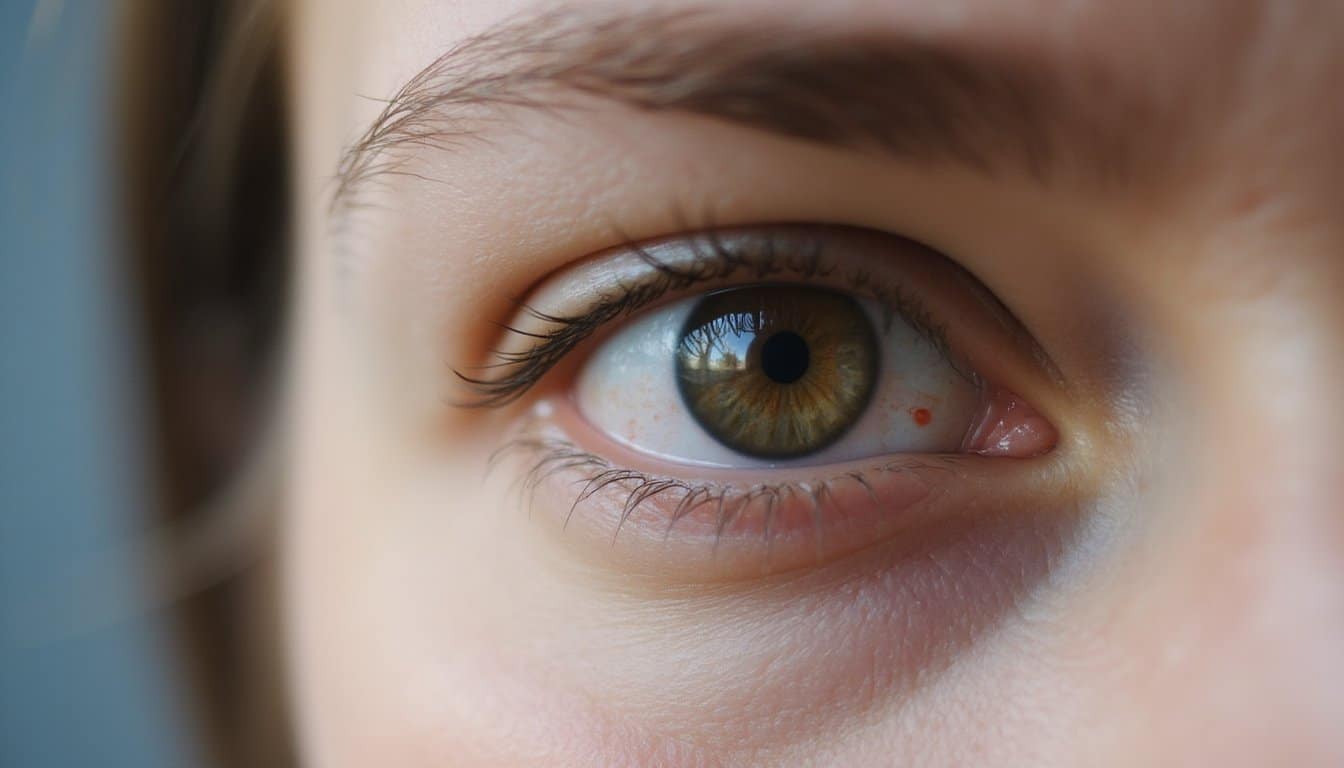
When cocaine enters your bloodstream, it triggers noticeable changes in your eyes, most prominently, dilated pupils. This enlargement increases light sensitivity and often causes blurred vision. You may also notice bloodshot, watery, or glassy eyes during intoxication. Mild eyelid twitching and rapid blinking can occur as your nervous system becomes overstimulated.
Cocaine constricts blood vessels in your eyes, reducing oxygen supply to ocular tissues and contributing to redness and irritation. Unlike opioids, which cause pinpoint pupils, cocaine activates your sympathetic nervous system, producing the opposite effect. With chronic use, you face serious risks including elevated eye pressure, glaucoma, corneal damage, and even permanent vision loss. Prolonged cocaine use can also cause optic nerve damage, leading to progressive and potentially irreversible deterioration of your sight. If you experience persistent eye symptoms, seek prompt medical evaluation to prevent irreversible harm.
Why Cocaine Dilates Your Pupils
Because cocaine activates your sympathetic nervous system, the same pathway responsible for your fight-or-flight response, your pupils dilate rapidly after exposure. Cocaine blocks norepinephrine reuptake, leaving excess norepinephrine at nerve synapses. This persistent signaling drives mydriasis while simultaneously raising your heart rate and blood pressure.
Cocaine also disrupts the balance between dilator and constrictor pathways in your iris. Dilator signals dominate, keeping your pupils enlarged for roughly one to two hours. Higher doses intensify this effect, and chronic use can prolong dilation further. Prolonged cocaine use can also lead to severe side effects such as talc retinopathy, which damages the retinal blood vessels. What are the long term effects cocaine on eyes can vary significantly depending on the frequency and amount of use.
When comparing cocaine vs opioids pupils, the contrast is stark, opioids constrict pupils to pinpoints, while cocaine produces the opposite reaction. This distinction reflects fundamentally different mechanisms: sympathetic activation versus parasympathetic dominance. Recognizing these differences supports more accurate clinical assessment.
Cocaine Eyes vs. Heroin Eyes: How to Tell the Difference
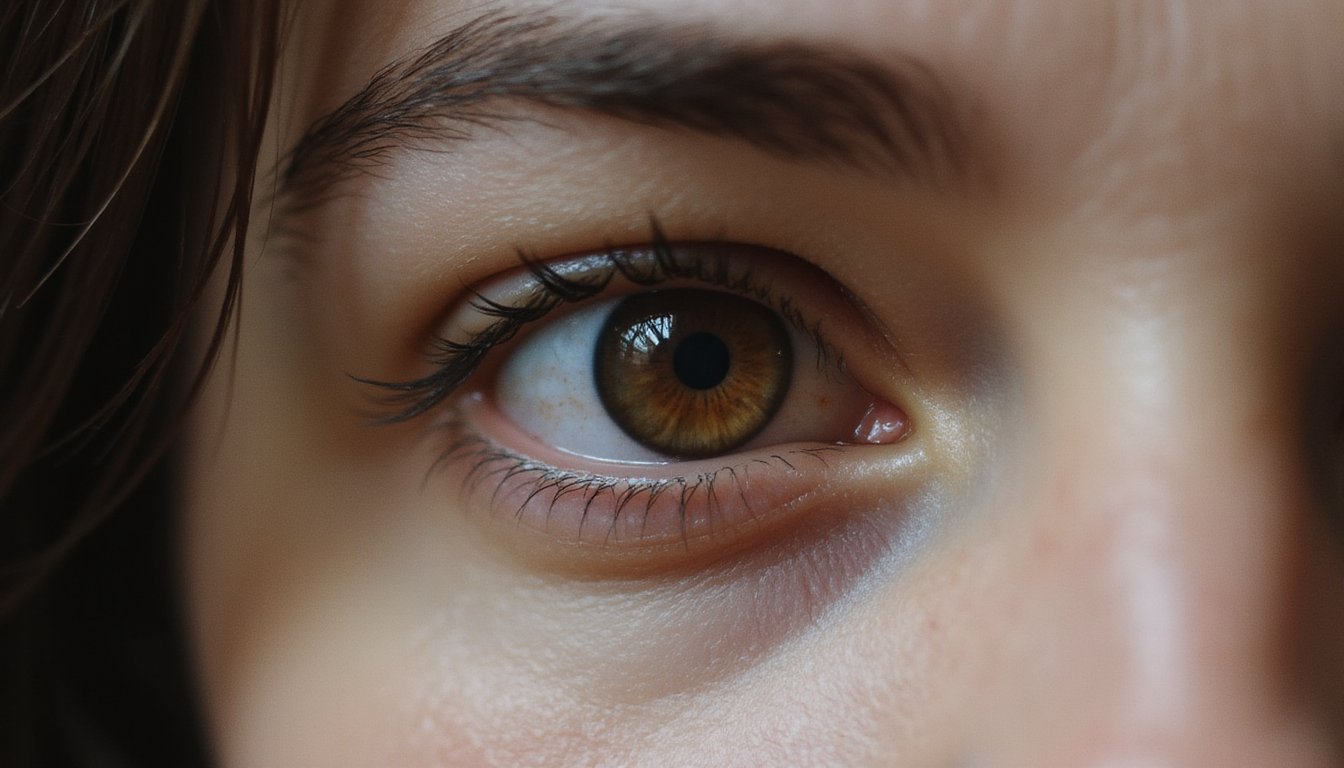
How clearly can you distinguish cocaine from heroin based on someone’s eyes alone? The most reliable indicator is pupil size. Cocaine typically causes mydriasis, noticeably enlarged pupils, while heroin produces miosis, or pinpoint pupils that remain constricted even in dim lighting.
Beyond size, observe eyelid posture. Cocaine’s stimulant effects create a wide-eyed, alert appearance, whereas heroin often produces drooping lids and a “nodding off” gaze. You’ll also notice pupils on different drugs respond differently to light; heroin-related constriction may show poor reactivity, signaling severe intoxication.
Surface signs add context too. Cocaine can dry the eyes, while heroin may cause a glassy, bloodshot appearance. Chronic heroin use can also lead to yellowing of the eyes, which may indicate liver damage from prolonged opioid abuse. Remember, pinpoint pupils combined with slowed breathing require immediate medical attention.
Bloodshot Eyes, Twitching, and Other Cocaine Eye Signs
Cocaine can make your eyes visibly bloodshot by constricting blood vessels in the sclera, and direct contact with powder or smoke further irritates the eye’s surface. You may also notice involuntary eyelid twitching or rapid eye movements, which result from cocaine’s overstimulation of the nervous system and the muscles controlling your eyes. These signs often appear together and, while not exclusive to cocaine, their combination can help distinguish stimulant-related eye changes from those caused by other substances.
Cocaine-Induced Bloodshot Eyes
When cocaine enters the bloodstream, it triggers vasoconstriction and rapid blood pressure spikes that directly affect the delicate vessels in and around the eyes, often leaving them visibly red or bloodshot. Cocaine-induced bloodshot eyes result from disrupted ocular blood flow and direct irritation, especially if you’ve smoked the substance. While dilated pupils as the most recognizable cocaine eye sign often dominate discussions, redness is equally telling. Cocaine eyes can also lead to increased sensitivity to light, making it uncomfortable for individuals in bright environments.
| Eye Sign | Cause | Duration |
|---|---|---|
| Bloodshot/redness | Vasoconstriction, irritation | Hours post-use |
| Dilated pupils | Sympathetic nervous system activation | Throughout stimulant effects |
| Light sensitivity | Excess light entering dilated pupils | Parallels dilation period |
You should note that bloodshot eyes aren’t exclusive to cocaine, allergies, fatigue, and other irritants produce similar redness, making clinical context essential for accurate assessment.
Eye Twitching Patterns
Beyond bloodshot eyes and dilated pupils, cocaine can trigger involuntary eyelid twitching, a subtle but telling sign of central nervous system overstimulation. You may notice rapid blinking or a fine eyelid flutter during active intoxication, particularly with larger doses.
When comparing eyes on drugs vs normal, twitching stands out because it reflects heightened neural activity that wouldn’t typically occur at rest. However, twitching isn’t exclusive to cocaine, fatigue, caffeine, and anxiety can produce similar effects.
Smoked or injected cocaine tends to cause faster, more pronounced twitching than snorted or oral routes. If you’re experiencing persistent eyelid twitching after drug effects have subsided, you should seek medical evaluation. Combined with other eye changes, twitching patterns can help clinicians assess whether stimulant intoxication is likely.
How Long Do Cocaine Eyes Last?
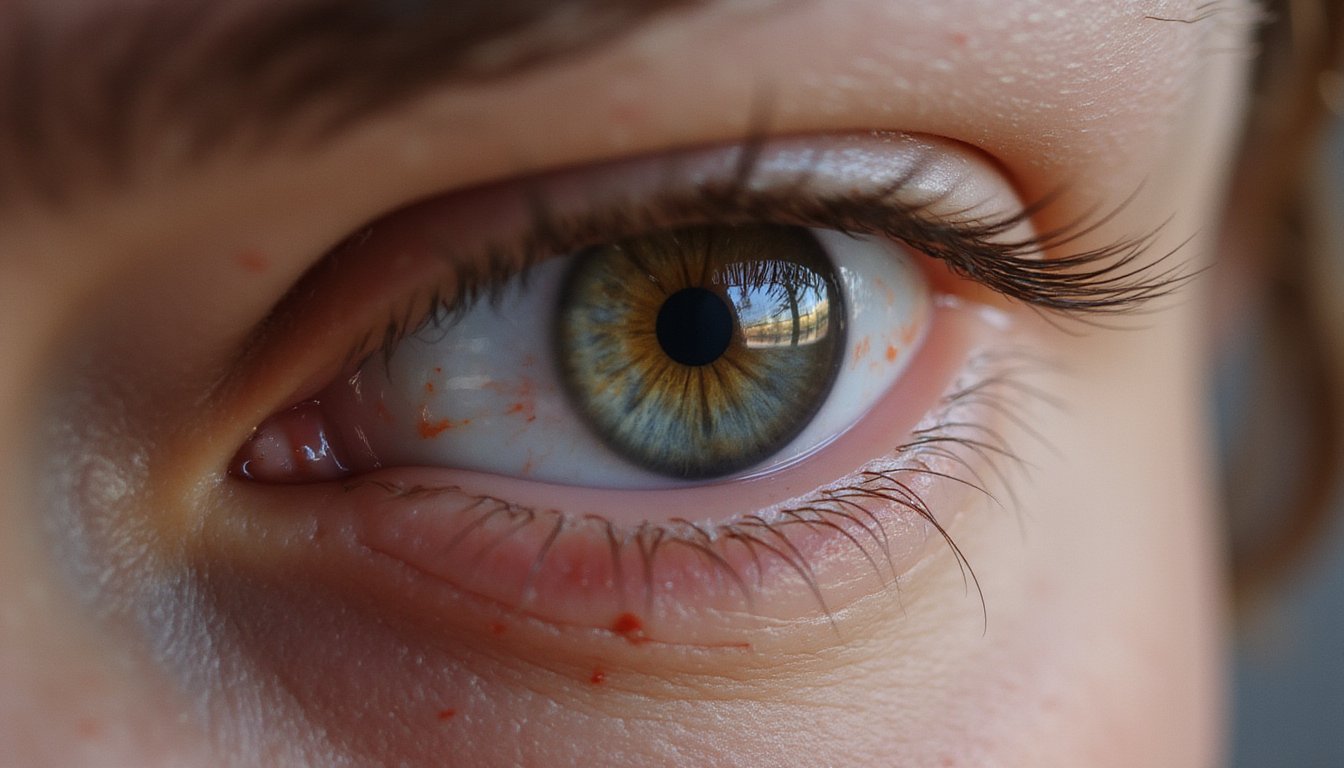
How quickly cocaine affects your eyes, and how long those changes last, depends largely on the route of use. When considering what drugs make pupils big, cocaine ranks among the fastest-acting stimulants for triggering dilation. Pupil dilation mechanics can also be influenced by other factors, including environmental stimuli and individual physiological responses.
- Snorted cocaine dilates your pupils within minutes, with peak effects around 20, 30 minutes and dilation lasting roughly 30 minutes to 2 hours.
- Smoked crack cocaine triggers dilation within seconds, though effects may fade in as little as 7 minutes.
- Bloodshot eyes can outlast dilation, persisting several hours or up to 24 hours with repeated dosing.
- Binge use may cause redness and irritation lasting several days due to cumulative strain.
Dose, metabolism, and contaminants all influence your individual recovery timeline.
Why Pupil Changes Alone Don’t Confirm Cocaine Use
Although dilated pupils are one of the most recognized signs associated with cocaine use, they’re far from definitive proof. Stress, low-light environments, prescription medications, and medical conditions can all produce similar dilation. Other stimulants like amphetamines and MDMA trigger nearly identical pupil responses, making it difficult to distinguish cocaine’s effects visually.
You should also consider that narcotics pupils, the pinpoint constriction linked to opioids, can mask cocaine-related dilation when someone uses multiple substances simultaneously. This overlap complicates any assessment based solely on eye appearance.
Pupil changes serve as screening clues, not confirmation. If you’re concerned about substance use, combine eye observations with behavioral patterns, physical symptoms, and timing. Definitive answers require toxicology testing and professional evaluation rather than visual assessment alone.
Your New Beginning Is Just One Call Away
If you’ve noticed cocaine taking a visible toll on your body or someone you love, recovery is possible with the right care by your side. At Vive Treatment Centers in Washington, DC, our caring professionals deliver dependable Cocaine Addiction Treatment built around your unique needs and circumstances. Call (202) 506-3490 today and begin a healthier chapter in your life.
Frequently Asked Questions
Can Mixing Cocaine With Opioids Cancel Out Pupil Dilation Effects?
No, mixing cocaine with opioids won’t reliably cancel out pupil changes. You might see an intermediate pupil size, but it’s unpredictable, dose, timing, tolerance, and individual physiology all influence the outcome. More importantly, normal-looking pupils don’t mean you’re safe. This combination still carries serious risks, including cardiovascular strain and respiratory depression. You shouldn’t rely on pupil appearance to gauge intoxication severity. If you’re experiencing concerning symptoms, seek emergency care immediately.
Do Hallucinogens Cause Similar Eye Changes as Cocaine Does?
Yes, hallucinogens can cause pupil dilation similar to what you’d see with cocaine. However, hallucinogens typically produce additional perceptual changes you won’t find with cocaine alone, like visual hallucinations, altered brightness perception, and difficulty focusing. Some hallucinogens may also cause nystagmus or sluggish pupillary reactions. While both drug classes dilate your pupils, hallucinogen-related eye effects generally reflect broader central nervous system disruption rather than direct sympathetic stimulation like cocaine produces.
Can Alcohol Use Make Cocaine-Related Pupil Dilation More Noticeable?
Yes, alcohol can make cocaine-related pupil dilation more noticeable. When you use both substances, alcohol adds eye redness, congestion, and slower pupillary reactions, which increase contrast and draw more attention to your already enlarged pupils. Cocaine drives dilation through sympathetic nervous system activation, and alcohol’s effects on surrounding eye tissue can amplify how obvious that dilation appears. If you’re experiencing persistent or severe eye changes, you should seek medical evaluation.
How Do Marijuana Eye Effects Compare to Cocaine Eye Effects?
Marijuana and cocaine affect your eyes differently. Marijuana typically makes your eyes bloodshot and dry due to blood vessel dilation and reduced tear production. Cocaine more dramatically dilates your pupils through stimulant effects on your nervous system, often causing light sensitivity. While both can impair your vision temporarily, cocaine carries greater long-term risks, including retinal vascular damage. Marijuana’s effects are generally milder, primarily involving redness and subtle visual changes.
Does Ketamine Cause Eye Twitching Similar to Cocaine Use?
Ketamine can cause eye twitching, but it’s not the same as what you’d see with cocaine. Ketamine typically produces nystagmus, involuntary rhythmic eye movements, along with dissociation and sedation. Cocaine, by contrast, triggers pupil dilation and hyperalert, sympathetic-driven responses. If you’re experiencing eye twitching after ketamine use, it’s usually temporary and benign. However, you should seek medical attention if it’s accompanied by seizures, confusion, or breathing difficulties.