







Long-term cocaine use damages your eyes through chronic vasoconstriction, reducing oxygen to your retina and optic nerve. You’re at increased risk for retinal ischemia, optic neuropathy, and corneal erosion from reduced sensitivity. Studies show cocaine users face considerably higher odds of developing open-angle glaucoma, with age-adjusted odds ratios reaching 3.52 in men. Structural changes like exophthalmos and eyelid retraction further compromise your ocular surface. Each of these mechanisms carries distinct warning signs worth understanding.
How Cocaine Affects Your Eyes Over Time

Cocaine’s effects on the eyes extend well beyond the immediate high, gradually compounding with each exposure to produce measurable changes in pupil function, blood flow, and tissue health. Each use triggers mydriasis and vasoconstriction, straining both your ocular vasculature and autonomic pathways. Cocaine activates the body’s fight-or-flight response, flooding your system with stress hormones that keep your eyes in a heightened state of alertness.
Over time, repeated vasoconstriction reduces oxygen delivery to your retina and optic nerve, setting the stage for long-term cocaine eye damage. Cycloplegia can impair your ability to focus, while chronic vascular stress elevates your risk for retinal ischemia and optic neuropathy. These cocaine vision problems, including blurred vision, scotomas, and light sensitivity, may persist between episodes of use. Protecting your cocaine eye health requires recognizing that cumulative exposure drives progressive, potentially irreversible structural and functional deterioration.
Corneal Damage and Surface Injuries From Cocaine
Key corneal injury patterns include:
- Reduced corneal sensitivity that masks ongoing epithelial erosion and delays treatment
- Sterile epithelial defects triggered by vigorous eye rubbing after crack use
- Infectious keratitis from bacterial or fungal organisms invading compromised tissue
- Light sensitivity, cocaine users experience alongside dryness, redness, and blurred vision
Research has shown that duration and frequency of cocaine abuse are the major risk factors determining the severity of corneal damage and neurotrophic keratitis development. Early ophthalmic evaluation and cessation of cocaine use are critical to preventing irreversible scarring.
How Cocaine Damages Blood Vessels in the Eye
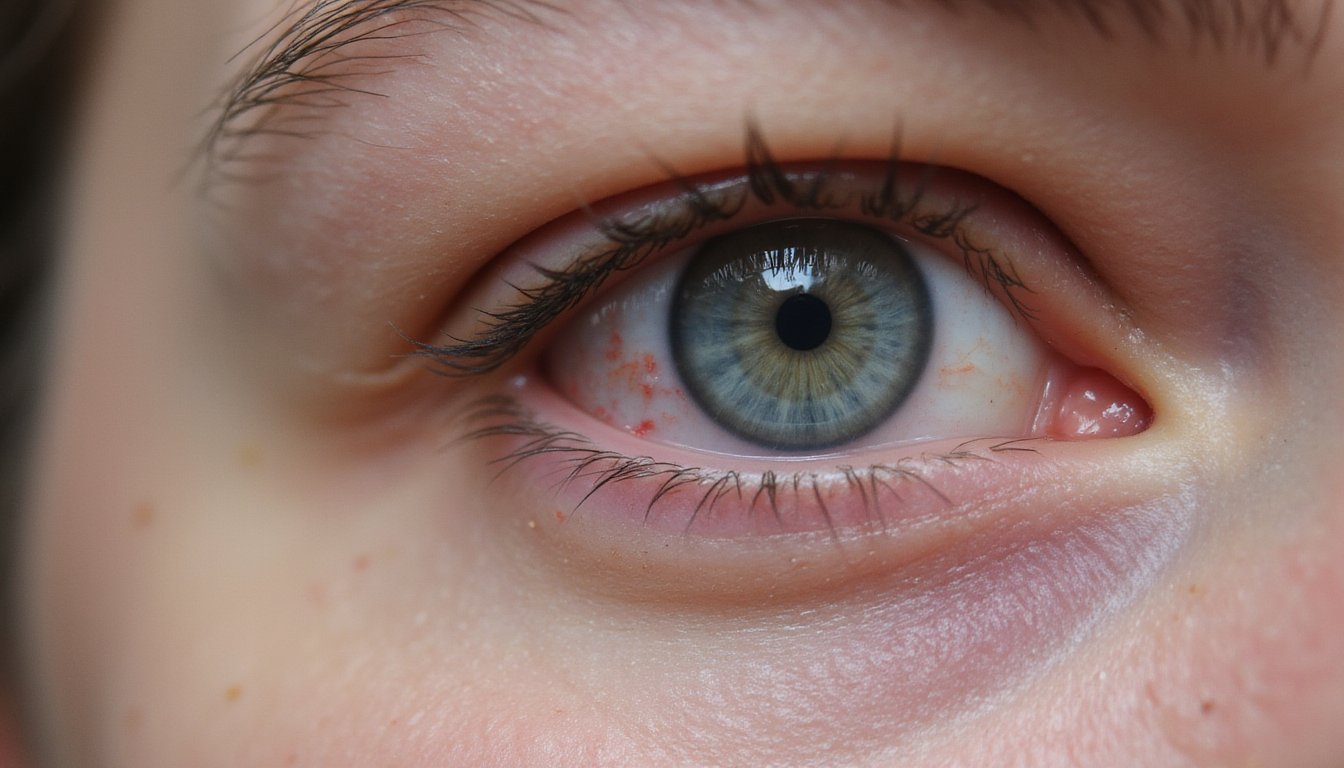
Beyond its effects on the corneal surface, cocaine also inflicts significant damage deeper within the eye, specifically on the blood vessels that supply the retina, choroid, and optic nerve. Cocaine triggers intense vasoconstriction by amplifying sympathetic activity and catecholamine signaling. This narrows your ocular vessels, reduces perfusion, and starves retinal tissues of oxygen. Repeated vasoconstrictive episodes accelerate chronic microvascular injury. Cocaine’s active metabolite, benzoylmethylecgonine, also augments endothelin-1 release, further intensifying prolonged vessel constriction and compounding ischemic damage to delicate ocular tissues.
Among the most serious cocaine effects on eyes are retinal artery and vein occlusions. Cocaine damages vascular endothelium, promotes platelet activation, and creates a prothrombotic state, conditions that collectively increase clot formation in retinal vessels. Can cocaine make you blind? Yes. When occlusive events interrupt the blood supply long enough, permanent vision loss results. Cocaine-driven vasculitis and inflammatory vascular changes further compound retinal ischemia and hemorrhagic risk.
Cocaine and Optic Nerve Damage
While cocaine’s vasoconstrictive effects damage retinal blood vessels, the optic nerve itself faces a distinct but equally serious threat. Intranasal cocaine abuse can trigger toxic ischemic optic neuropathy, where severe vasoconstriction reduces perfusion to the optic nerve, causing irreversible injury to the papillomacular bundle.
Key clinical features of cocaine-related optic nerve damage include:
Cocaine-related optic nerve damage presents with sudden vision loss, impaired color perception, central scotomas, and peripapillary hemorrhages.
- Sudden painless vision loss that may be progressive or acute, depending on the mechanism
- Dyschromatopsia (reduced color vision) indicates optic nerve dysfunction
- Central scotomas resulting from ischemic damage to the papillomacular bundle
- Peripapillary hemorrhages visible on fundoscopic examination
Chronic intranasal use can also cause osteolytic sinusitis, creating orbital wall defects that allow inflammatory spread directly to your optic nerve, compounding ischemic injury with perineuritis.
Structural Eye Changes From Chronic Cocaine Use

Chronic cocaine use can cause structural changes to the tissues surrounding and within your eyes, including exophthalmos, a forward displacement of the globe, resulting from orbital wall destruction and inflammatory processes that alter the normal architecture of the eye socket. You may also develop upper eyelid retraction, which increases ocular surface exposure and disrupts the protective mechanics of your blink reflex, compounding corneal vulnerability. Additionally, cocaine’s pharmacological effects on smooth muscle and autonomic innervation can impair ciliary muscle function, directly affecting your eye’s ability to accommodate and focus at varying distances.
Bulging Eyes (Exophthalmos)
Among the structural eye changes linked to chronic cocaine use, exophthalmos, abnormal forward protrusion of one or both eyeballs, represents a particularly concerning development. Cocaine’s sympathomimetic properties drive sustained vascular hypertension and altered vessel tone, gradually affecting orbital tissues. This cumulative stress can produce measurable forward displacement of the globe.
Exophthalmos associated with chronic cocaine use carries specific risks:
- Optic nerve compression from increased orbital pressure, threatening progressive vision loss
- Ocular surface exposure due to incomplete eyelid closure, accelerating dryness and irritation
- Impaired visual acuity as structural displacement interferes with normal focusing mechanics
- Permanent orbital changes if you don’t seek early intervention
You should pursue prompt ophthalmologic evaluation if you notice eye protrusion, as distinguishing exophthalmos from transient dilation requires professional assessment of intraocular pressure and optic nerve integrity.
Upper Eyelid Retraction
Beyond globe displacement, cocaine’s chronic sympathetic stimulation can alter the positioning of the eyelid itself. Repeated activation of Müller’s muscle, a sympathetically innervated smooth muscle in the upper lid, can cause persistent upper eyelid retraction, where your lid sits higher than its normal resting position. This leaves more of your ocular surface exposed, creating a widened, “staring” appearance even without true proptosis.
The clinical consequences are significant. Increased corneal exposure accelerates evaporative tear loss, leading to chronic dryness, irritation, and heightened light sensitivity. Over time, inadequate lid coverage raises your risk of corneal surface injury and secondary damage.
Management requires cessation of cocaine use, artificial tears to combat dryness, and protective eyewear. Persistent retraction warrants ophthalmologic evaluation, as prolonged exposure-related changes can cause lasting discomfort and vision-threatening corneal compromise. Comparing cocaine effects to other substances can reveal significant differences in both physiological and psychological impacts. Bloodshot eyes and drug use can lead to a range of health complications. Individuals may experience significant impairment in their daily functioning due to these symptoms.
Ciliary Muscle Dysfunction
Because the ciliary muscle controls lens shape during accommodation, the process that shifts your focus between near and far objects, any disruption to its function directly impairs visual clarity at close range. Cocaine blocks norepinephrine reuptake, driving sympathetic overactivity that inhibits ciliary contraction and can produce cycloplegia.
Chronic use compounds this through four mechanisms:
- Sustained sympathetic tone overrides parasympathetic input needed for near focus
- Chronic vasoconstriction reduces oxygen and nutrient delivery to ciliary tissue
- Repeated cycloplegia weakens the muscle’s contractile efficiency over time
- Coexisting anterior segment damage amplifies visual instability
You’ll notice blurred near vision, difficulty reading small print, and eye strain from compensatory squinting. Persistent accommodation failure warrants examination to rule out broader ocular toxicity, including corneal, retinal, and intraocular pressure changes.
Can Cocaine Cause Glaucoma?
While research hasn’t definitively proven that cocaine directly causes glaucoma, several studies suggest a meaningful association between cocaine use and open-angle glaucoma risk. A VA database study of over 5.3 million enrollees found that men with cocaine abuse or dependence were more likely to have open-angle glaucoma. A separate pilot study reported age-adjusted odds ratios of 3.52 for men and 1.87 for women.
Several mechanisms may explain this link. Cocaine can constrict ocular blood vessels, reducing perfusion to the optic nerve head. It may also alter aqueous humor dynamics, increasing intraocular pressure. Cocaine-induced mydriasis can narrow the drainage angle in susceptible eyes, further elevating pressure. These combined effects represent a potentially modifiable risk factor for glaucoma-related vision loss. The effects of cocaine on pupils can also lead to significant interference with visual processing.
Your New Beginning Is Just One Call Away
If you’ve noticed cocaine taking a visible toll on your body or someone you love, recovery is possible with the right care by your side. At Vive Treatment Centers in Washington, DC, our caring professionals deliver dependable Cocaine Addiction Treatment built around your unique needs and circumstances. Call (202) 506-3490 today and begin a healthier chapter in your life.
Frequently Asked Questions
Can the Eye Damage From Long-Term Cocaine Use Be Reversed?
Some eye damage can reverse, but it depends on what’s affected. Surface issues like corneal irritation, dryness, and redness often improve once you stop using cocaine. However, if you’ve developed retinal artery occlusion, ischemic optic neuropathy, or macular damage, you’re likely facing permanent vision loss. Early ophthalmology evaluation greatly improves your recovery odds. The sooner you stop exposure and seek treatment, the better your chances of preserving remaining vision.
How Quickly Can Cocaine Cause Permanent Vision Loss?
Permanent vision loss can develop within hours of cocaine use. In documented cases, central retinal artery occlusion (CRAO) caused vision impairment 3 to 10 hours after use. Cocaine’s intense vasoconstriction can abruptly cut blood supply to your retina or optic nerve, and retinal tissue tolerates ischemia very poorly. Even with aggressive treatment, outcomes in these cases are usually poor. If you experience sudden vision changes after use, you’ll need emergency evaluation immediately.
Are Crack Cocaine and Powdered Cocaine Equally Harmful to Eyes?
Both forms carry similar core risks to your eyes because the cocaine molecule itself drives vasoconstriction, retinal ischemia, and potential optic neuropathy. However, route-specific differences exist: smoking crack adds heat and smoke irritation, while snorting powder increases corneal exposure through hand-to-eye transfer and nasal-duct contact. Neither form is safer, your overall risk depends more on how frequently and how long you’ve used than on which form you’ve chosen.
Should I Tell My Eye Doctor About Past Cocaine Use?
Yes, you should. Disclosing past cocaine use helps your eye doctor evaluate your corneal surface, intraocular pressure, retinal vasculature, and optic nerve with greater diagnostic accuracy. Cocaine’s effects on these structures can mimic other conditions, so a complete substance history lets your doctor differentiate drug-related changes from infections, neurologic disease, or inflammatory disorders. Earlier detection of issues like retinal vascular occlusion or glaucoma improves your chances of preserving vision long-term.
Can Occasional Cocaine Use Still Cause Lasting Eye Problems?
Yes, even occasional use can cause lasting eye damage. Cocaine’s intense vasoconstriction can trigger retinal artery occlusion, ischemic optic neuropathy, or acute macular neuroretinopathy, any of which may leave you with permanent vision loss after a single episode. Blood pressure surges can rupture fragile retinal vessels, and once your optic nerve or retina sustains injury, recovery is often incomplete. If you notice persistent blurred vision, floaters, or visual field changes, you’ll need urgent ophthalmic evaluation.