







Yes, alcohol is a diuretic. When you drink, alcohol suppresses vasopressin, your body’s antidiuretic hormone, which reduces your kidneys’ ability to reabsorb water. This means more fluid gets diverted to your bladder, increasing urinary output after just one drink. The result is accelerated fluid loss, electrolyte imbalances, and compounding dehydration symptoms. Higher-ABV drinks like spirits drive greater renal water excretion than beer. Understanding how your hydration status and drinking habits interact can help you minimize these effects.
Yes, Alcohol Dehydrates You: Here’s How

When alcohol enters your bloodstream, it directly suppresses vasopressin, the antidiuretic hormone responsible for signaling your kidneys to reabsorb water. Without vasopressin, your alcohol and kidneys interaction shifts dramatically: the kidneys divert excess fluid to the bladder, sharply increasing alcohol urine output. This vasopressin suppression begins after just one drink, driving frequent urination after drinking and creating measurable alcohol and fluid imbalance. Over time, this fluid loss far exceeding intake results in prolonged excessive consumption worsening the overall dehydration effect significantly.
Does Beer Dehydrate You as Much as Liquor?
Does Beer Dehydrate You as Much as Liquor?
How much does the type of alcoholic drink matter for dehydration? Considerably. Beer’s lower ABV means less suppression of alcohol and vasopressin, producing a milder alcohol diuretic effect than spirits. Liquor and dehydration are closely linked because higher ethanol concentrations accelerate alcohol fluid loss through greater renal water excretion. Beer also contains healthy sources of carbohydrates, protein, fiber, vitamins, and minerals, meaning its overall composition supports greater bioavailability through fermentation compared to distilled spirits that lack these nutrients.
Research on beer and urination shows full-strength beer still impairs fluid retention, but alcohol hydration effects vary by strength: How alcohol affects antidiuretic hormone is crucial for understanding its impact on hydration. Low levels of antidiuretic hormone can lead to increased urine output, exacerbating dehydration.
- Low-alcohol beer performs similarly to water in rehydration studies, with negligible diuretic drinks characteristics.
- Full-strength beer increases urine output but causes less alcohol fluid loss than spirits due to lower alcohol metabolism demands.
- Spirits maximally suppress vasopressin, driving the greatest renal water loss.
Key hydration takeaways: pair any alcoholic drink with water and alcohol and electrolytes to offset dehydration.
Why Dehydration Hits Harder When You’re Already Low on Fluids

| Hydration Status | Impact of Alcohol’s Diuretic Effect |
|---|---|
| Well-hydrated | Fluid loss is better tolerated; symptoms are mild |
| Mildly dehydrated | Frequent urination triggers noticeable fatigue and thirst |
| Moderately dehydrated | Dark urine, lightheadedness, and reduced kidney output |
| Severely dehydrated | Confusion, rapid heart rate; medical attention may be needed |
| Post-illness/heat exposure | Electrolyte depletion worsens; rehydration requires electrolytes |
When someone who is already dehydrated consumes alcohol, the compounded fluid loss can cause nausea to intensify rapidly, since reduced blood flow and slowed digestion from dehydration make the stomach far more sensitive to additional stressors.
How Alcohol-Related Dehydration Affects Your Body
Although alcohol’s diuretic mechanism begins with vasopressin suppression in the brain, its downstream effects cascade through multiple organ systems and impair your body’s ability to maintain normal function. When vasopressin drops, kidney reabsorption of water declines sharply, driving increased urine production alcohol consumers rarely offset with adequate fluid intake. This alcohol dehydration mechanism produces measurable consequences:
Alcohol suppresses vasopressin, triggering rapid fluid loss that most drinkers never adequately replace, fueling a cascade of dehydration effects.
- Increased urinary frequency accelerates fluid loss, depleting circulating volume and triggering dehydration symptoms like thirst, dizziness, and fatigue.
- Electrolyte imbalances from sustained diuretic-driven losses contribute to muscle cramps, weakness, and impaired cognition.
- Worsened hangover symptoms, including headache, nausea, and vertigo, intensify as dehydration compounds alcohol’s neurochemical disruption.
These effects peak as blood alcohol returns to zero, meaning your body bears the greatest physiological burden during recovery.
Simple Ways to Stay Hydrated When You Drink
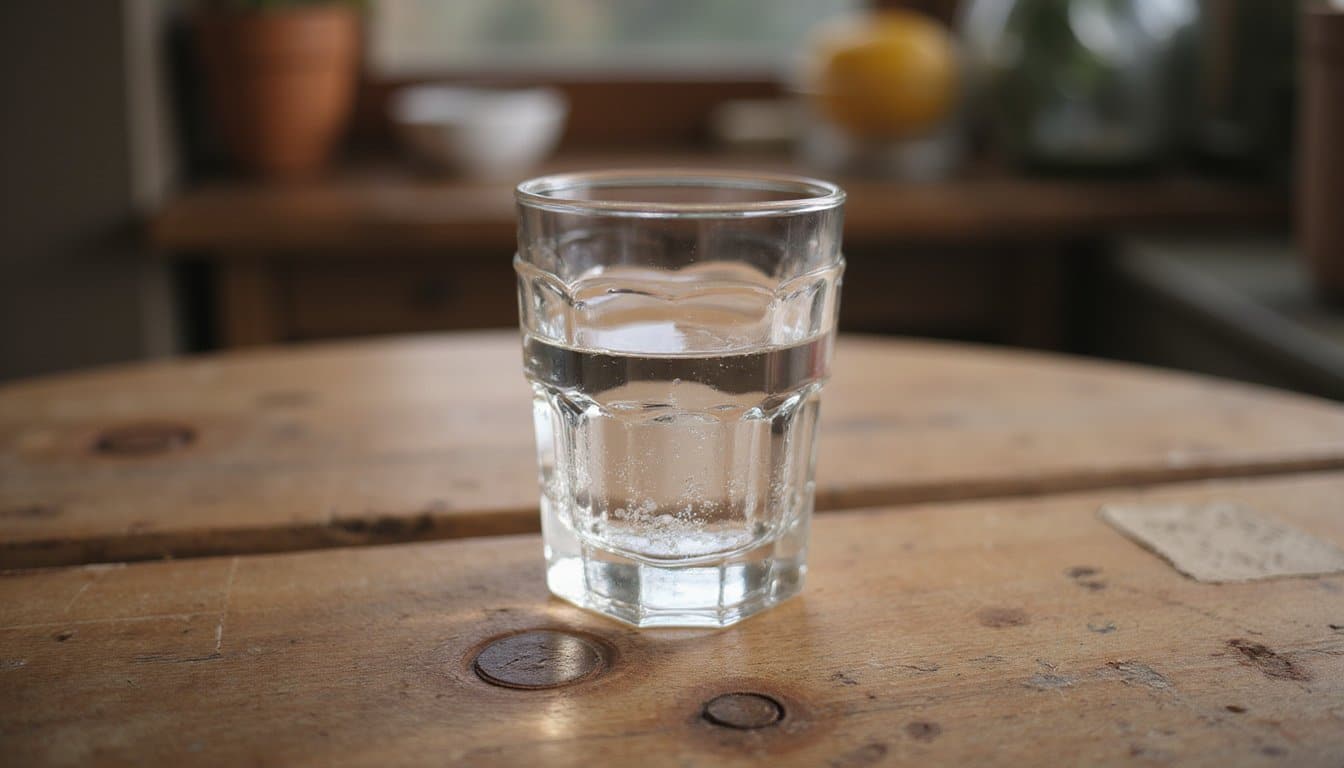
Because alcohol’s diuretic effect begins the moment vasopressin levels drop, your hydration strategy needs to start before you take your first sip. Pre-hydrate with 16, 20 oz of water and consume water-rich foods like fruits and vegetables to build a fluid buffer against accelerated water excretion.
During drinking, alternating water and alcohol, matching each drink with 8 oz of water, directly slows fluid loss and helps reduce drinking pace. Adopt hydrating drink habits: sip slowly, choose lower-alcohol options, and avoid rounds. Set hydration reminders on your phone to prompt consistent intake.
Afterward, replenish fluids and electrolytes to counteract alcohol and thirst signals. Monitor for clear pale yellow urine as your rehydration benchmark. These targeted steps meaningfully reduce alcohol hangover symptoms driven by renal fluid depletion.
Your Healthier Tomorrow Starts With One Call
When alcohol begins shaping how your body feels and functions every day, professional care can change the path you’re on. At Vive Treatment Centers in Washington, DC, our caring professionals provide trusted Alcohol Addiction Treatment with understanding and a plan built around you. Call (202) 506-3490 today and take the first step toward lasting recovery.
Frequently Asked Questions
How Long Does Alcohol’s Diuretic Effect Last After Your Last Drink?
Alcohol’s diuretic effect typically lasts up to about four hours after your last drink. During this window, alcohol suppresses your vasopressin production, so your kidneys reabsorb less water and your bladder fills more rapidly. As your body metabolizes the alcohol, vasopressin levels recover and urine output trends back toward baseline. You can offset fluid loss by drinking water throughout this peak diuretic period and continuing afterward.
Does Mixing Alcohol With Juice or Soda Reduce Its Diuretic Effect?
Mixing alcohol with juice or soda doesn’t meaningfully reduce its diuretic effect. Ethanol itself suppresses your vasopressin production, and no mixer reverses that mechanism. While a mixer adds fluid volume, it won’t stop your kidneys from flushing water at an accelerated rate. If mixing slows your drinking pace and lowers total ethanol intake, you’ll experience a smaller diuretic impact, but that’s from consuming less alcohol, not from any protective property of the mixer.
Can Alcohol-Related Dehydration Cause Long-Term Kidney Damage Over Time?
Repeated alcohol-related dehydration can damage your kidneys over time. Each episode reduces blood flow to your kidneys, forcing them to work harder and raising your risk of acute kidney injury. If these insults recur, they can contribute to chronic kidney disease, especially if you already have hypertension, diabetes, or pre-existing renal issues. You’ll reduce this risk by staying hydrated, avoiding binge drinking, and seeking medical evaluation after severe dehydration episodes.
Does Your Age Affect How Strongly Alcohol Acts as a Diuretic?
Yes, your age influences alcohol’s diuretic strength. As you get older, your kidneys concentrate urine less efficiently and your total body water declines, making you more vulnerable to fluid loss. However, research in elderly men shows that only stronger drinks (above 13.5% alcohol) produce a small, short-lived diuretic effect, while weaker beverages like beer don’t notably affect hydration. Your current hydration status also modifies the response, regardless of age.
Are Carbonated Alcoholic Drinks More Dehydrating Than Non-Carbonated Ones?
Carbonation itself doesn’t make an alcoholic drink more dehydrating than a non-carbonated one at the same alcohol dose. Your kidneys respond to ethanol’s suppression of vasopressin, not to bubbles. However, carbonation can speed gastric emptying and make drinks feel lighter, potentially increasing your intake rate and raising blood alcohol levels faster. This intensifies the diuretic response indirectly. Your total alcohol consumption remains the primary driver of renal fluid loss.