







Alcohol’s diuretic effect typically lasts about 4 hours after your last drink. When you consume alcohol, it suppresses your body’s antidiuretic hormone (ADH), which normally tells your kidneys to reabsorb water. Without adequate ADH, your kidneys produce urine beyond the volume of liquid you’ve actually consumed. As your liver clears the alcohol, vasopressin levels normalize and urine output returns to baseline. However, several factors, including beverage strength and your pre-drinking hydration status, can notably shift that timeline.
Alcohol’s Diuretic Effect Lasts About 4 Hours

Your alcohol elimination rate determines how quickly the effect fades. As blood alcohol levels decline, vasopressin normalizes, and kidney water reabsorption resumes. The alcohol dehydration duration is thus short-term but physiologically significant. Starting hydrated amplifies the diuretic response, while dehydration blunts it. Full alcohol systemic recovery depends on intake volume, beverage strength, and your hydration status before drinking. Whether food was consumed while drinking also plays a role in how long the diuretic effect persists.
Why Does Alcohol Make You Pee So Much?
When you drink alcohol, it suppresses your body’s release of antidiuretic hormone (ADH), the hormone that signals your kidneys to reabsorb water back into your bloodstream. Without adequate ADH, your kidneys divert more fluid directly to your bladder instead of retaining it, which accelerates urine production beyond your normal baseline. This hormonal disruption is the primary mechanism behind alcohol’s diuretic effect and explains why your bathroom trips increase well beyond what the liquid volume alone would cause. Research indicates that beverages with at least 13% alcohol are potent enough to effectively block ADH and trigger this pronounced diuretic response.
ADH Suppression Explained
With less ADH, your kidney collecting ducts become less permeable to water, impairing reabsorption and diluting urine output. During alcohol clearance time, ADH secretion gradually recovers. Full alcohol hormone normalization depends on dose, beverage strength, and hydration status. Complete alcohol ADH recovery typically follows metabolic clearance, though higher doses can delay restoration of normal water retention. Without adequate ADH, aquaporin-2 channels remain trapped in intracellular vesicles, preventing water from moving out of the tubular lumen into surrounding tissue.
Increased Urine Production
Several factors influence your alcohol fluid balance recovery:
- Beverage strength: Drinks at 13.5% ABV or higher provoke a more evident diuretic response
- Hydration status: Hypohydration blunts the diuretic effect considerably
- Alcohol metabolism speed: Faster clearance shortens ADH suppression duration
- Consumption volume: Higher intake scales urine output proportionally
- Drink dilution: Weak beverages like 5% beer produce minimal measurable diuresis
Your alcohol dehydration recovery time depends on restoring fluid balance after this acute output surge subsides.
Does Beer Dehydrate You Less Than Wine or Spirits?
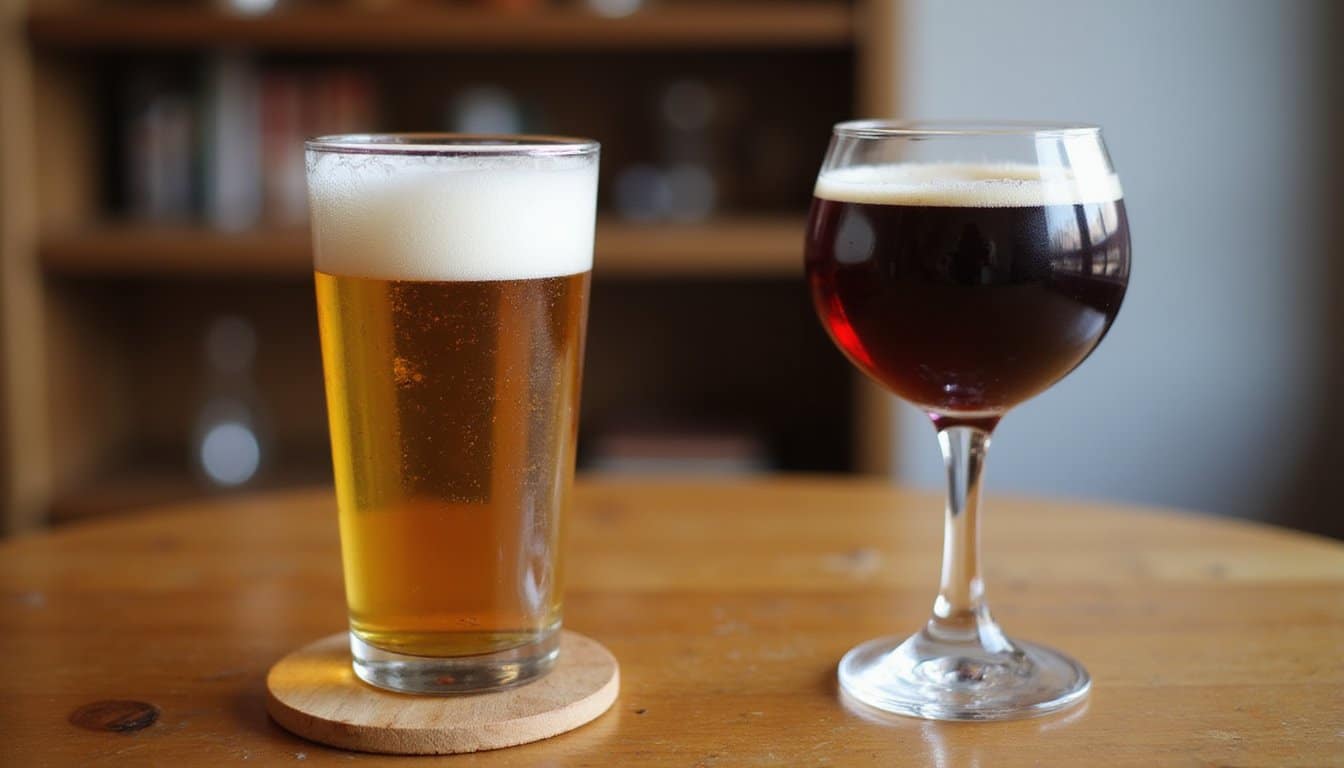
When you compare beer, wine, and spirits, the key variable driving dehydration isn’t the type of drink, it’s the alcohol concentration per serving. Beer at around 2% ABV or less hydrates you about as well as water, while standard 5% beer enters dehydrating territory with measurably poorer fluid retention. Wine at 12, 14% ABV and spirits at roughly 40% ABV deliver substantially more alcohol per serving, producing a stronger vasopressin-suppressing effect and greater net fluid loss.
Beer’s Lower ABV Advantage
Because beer typically contains less alcohol by volume than wine or spirits, a standard serving delivers a smaller ethanol load, and that difference directly affects how strongly it suppresses antidiuretic hormone (ADH). The effects of alcohol on adh levels can vary depending on the type and amount of alcohol consumed.
Beer’s lower ABV advantage translates into measurable physiological differences during alcohol processing time:
- Research in elderly men found 5% beer produced no significant difference in urine output compared to non-alcoholic beer
- Only beverages at or above 13.5% ABV triggered a short-term alcohol diuretic effect
- Lower ethanol intake reduces ADH suppression intensity, preserving fluid balance
- Beer’s water content partially offsets its mild diuretic action
- Alcohol hydration recovery time shortens when overall ethanol exposure remains low
This evidence confirms that beer’s reduced alcohol concentration meaningfully limits dehydration risk relative to stronger beverages, though it doesn’t eliminate the diuretic response entirely. The effects of alcohol on hydration can vary depending on the type and amount consumed. Is alcohol an effective diuretic? Research indicates that it can promote increased urine production, which may lead to dehydration.
Wine and Spirits Comparison
Although beer’s lower ABV offers a measurable hydration advantage, wine and spirits tell a different story. When comparing wine vs spirits, both exceed the alcohol concentration threshold that suppresses ADH, triggering greater urinary fluid loss per serving. Research in elderly men confirmed that moderate wine and spirits produced a short but measurable diuretic response, while 5% beer didn’t differ from its non-alcoholic counterpart in urine output or osmolality.
Your alcohol metabolism timeline directly shapes your alcohol urine frequency timeline. Spirits, with the highest concentration, often provoke the most immediate diuretic spike. This intensified fluid loss can worsen alcohol and sleep urination, particularly when you consume stronger beverages close to bedtime without compensatory water intake. Beer’s diuretic effects compared to wine can also vary based on other factors like the alcohol content and ingredients.
Beverage Strength Matters Most
Key physiological distinctions:
- Beer at ~5% ABV doesn’t measurably alter urine output after drinking in euhydrated individuals at moderate doses
- Beverages ≥13.5% ABV produce a temporary but significant diuretic response
- Higher ethanol concentrations suppress vasopressin more potently, accelerating renal water clearance
- The first several hours post-consumption represent the peak window for fluid loss
- Starting hydration status modulates how strongly a given dose affects output
For alcohol hydration correction, prioritize tracking ethanol dose over drink type. You’ll retain more fluid from moderate-strength beer than from equivalent alcohol volumes delivered via wine or spirits.
Does Your Hydration Level Change the Diuretic Effect?
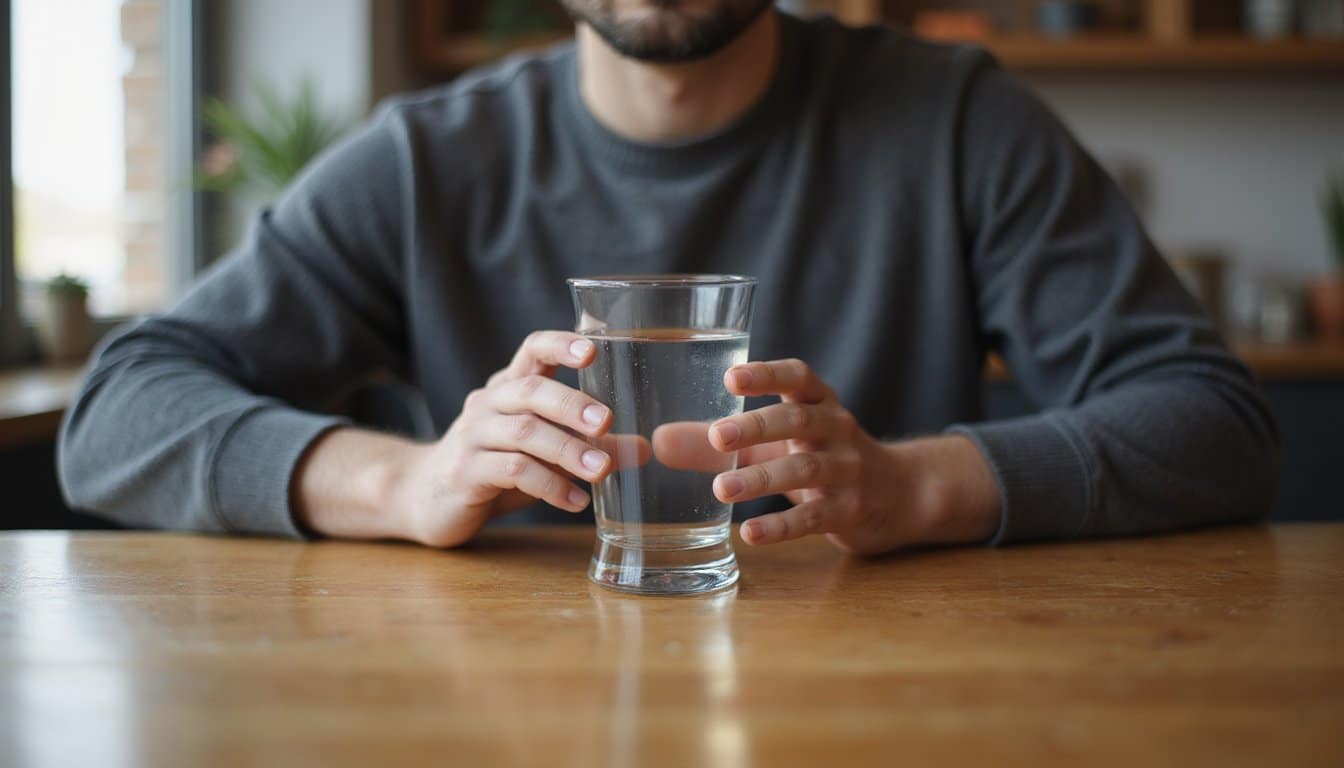
When you’re already fluid-depleted, your body partially counterbalances vasopressin suppression, muting the diuretic response. This interaction between alcohol hydration status and hormonal signaling means identical drinks yield different outcomes depending on baseline fluid balance. Hypohydration doesn’t eliminate diuresis, it reduces its magnitude, accelerating alcohol urine normalization. Once the kidney’s compensatory mechanisms engage alongside hepatic metabolism, alcohol systemic stabilization occurs faster in fluid-depleted states than in fully hydrated individuals.
How Much Extra Fluid Do You Actually Lose?
Exactly how much additional urine does alcohol force out? Controlled data quantify the alcohol diuretic effect with surprising precision:
- In euhydrated subjects, alcohol produced an average 158 mL of extra urine over four hours.
- Individual responses ranged from −165 mL to +468 mL, showing enormous variability.
- Consuming 50 g of alcohol in 250 mL of water can drive 600, 1,000 mL of elimination, up to four times the volume ingested.
- Higher alcohol concentrations amplify alcohol fluid loss disproportionately.
- Two to three drinks substantially elevate output beyond baseline, worsening alcohol next day urination and delaying alcohol hydration rebound.
The net deficit isn’t always catastrophic, but it’s consistently negative. Your body loses more than it receives, making post-drinking rehydration essential rather than optional.
How to Stay Hydrated While Drinking Alcohol
Now that the numbers confirm a consistent net fluid deficit, the practical question becomes how to offset it. Effective alcohol hydration requires a multi-phase approach targeting pre-drinking, active drinking, and post-drinking windows. Pre-hydrating with 16, 20 oz of water establishes a protective baseline. During consumption, alternating 12 oz of water per standard drink directly counters alcohol fluid regulation recovery delays. Eating protein- or carb-rich meals slows absorption, reducing peak diuretic intensity.
| Timing | Strategy | Target Volume |
|---|---|---|
| Before drinking | Pre-hydrate with water | 16, 20 oz |
| During drinking | Alternate water per drink | 12 oz per drink |
| Before bed | Rehydrate with electrolytes | 16+ oz |
Bedside water addresses alcohol nighttime urination losses, accelerating alcohol body water restoration by morning.
Make the Call That Protects Your Health
Alcohol’s effects on your body run deeper than many realize, from hydration to long-term physical wellness. At Vive Treatment Centers in Washington, DC, our skilled team offers reliable Alcohol Addiction Treatment designed to support every step of your healing. Call (202) 506-3490 today and start building a stronger, healthier tomorrow.
Frequently Asked Questions
Does Alcohol’s Diuretic Effect Get Worse With Regular or Daily Drinking?
It doesn’t necessarily intensify per drink, but regular drinking repeatedly triggers vasopressin suppression, so you’re experiencing frequent diuretic episodes rather than a single worsening mechanism. You’re also more likely starting each session already underhydrated, which can blunt the acute response yet worsen your overall fluid balance. Chronic intake compounds dehydration risk through higher cumulative alcohol exposure, disrupted sleep, and poor fluid intake, not through a progressively stronger diuretic effect from each individual drink.
Can Alcohol-Induced Dehydration Cause Headaches the Morning After Drinking?
Yes, alcohol-induced dehydration can contribute to your morning-after headache. When you drink, ADH suppression increases urine output, reducing your body’s water volume. This fluid loss can affect cerebral hydration and vascular tone, producing that throbbing or pressure-like sensation. However, dehydration isn’t the sole cause, acetaldehyde buildup, inflammatory responses, sleep disruption, and gastric irritation also play roles. Dehydration likely intensifies your hangover headache rather than causing it entirely on its own.
Does Age Affect How Long Alcohol’s Diuretic Effect Lasts?
Age doesn’t necessarily prolong alcohol’s diuretic effect. Research in elderly men shows that moderate amounts of stronger beverages produce only a short-term, small diuretic response, while beer doesn’t differ markedly from non-alcoholic counterparts in urine output. You’ll find that beverage strength and volume matter more than age alone. Age-related differences likely reflect changes in your body water composition, baseline hydration status, and drinking patterns rather than a straightforward extension of diuretic duration.
Is Nighttime Urination After Drinking Linked to the Diuretic Effect?
Yes, nighttime urination after drinking is linked to alcohol’s diuretic effect. When you consume alcohol in the evening, it suppresses your vasopressin levels, reducing your kidneys’ water reabsorption and increasing urine output. This fluid loss can continue even after you’ve stopped drinking. However, it’s not solely diuresis driving those overnight bathroom trips, alcohol also irritates your bladder and fragments your sleep, making you more likely to notice and respond to urinary urges.
How Long Does It Take to Fully Rehydrate After Drinking Alcohol?
Full rehydration after drinking alcohol typically takes several hours, depending on how much you consumed and how dehydrated you’ve become. You can start replenishing fluids within minutes of drinking water, but restoring your body’s fluid balance requires time for ADH levels to normalize and kidney function to stabilize. For mild dehydration, plain water works well; if you’re experiencing electrolyte imbalances, a low-sugar sports drink can accelerate recovery.