






Yes, meth can kill you. Overdose deaths climbed nearly 50-fold between 1999 and 2021, rising from 608 to 52,397. Meth pushes your cardiovascular and nervous systems into overdrive, triggering life-threatening events like heart attack, stroke, and dangerous overheating. Overdose can cause soaring heart rate, blood pressure, and body temperature, plus kidney problems and circulatory collapse. The risk climbs higher when meth’s mixed with fentanyl. Understanding how this happens could help you save a life.
Key Takeaways
- Yes, meth is deadly; overdose deaths rose roughly 50-fold from 608 in 1999 to 52,397 in 2021.
- Meth overdose can trigger fatal cardiovascular events, including heart attacks and strokes.
- Overdose spikes heart rate, blood pressure, and body temperature, potentially causing organ shutdown and death.
- In 2021, 61.2% of meth overdose deaths involved heroin or fentanyl, sharply raising fatal risk.
- During overdose, call 911 immediately, turn the person on their side, and give naloxone if opioids are suspected.
Is meth deadly

Yes, meth is deadly, and the numbers make that painfully clear. Overdose deaths involving methamphetamine rose roughly 50-fold between 1999 and 2021, climbing from 608 to 52,397. If you or someone you love uses meth, you’re facing serious risks: the drug frequently triggers life-threatening cardiovascular events like heart attacks and strokes. During an overdose, your heart rate, blood pressure, and body temperature can spike rapidly, leading to kidney problems, circulatory collapse, and death. Grasping how dangerous is meth shows how quickly it breaks down decision-making, mental health, and connection to reality, devastating both users and their families.
Much of this rising mortality comes from opioid co-involvement. In 2021, 61.2% of meth overdose deaths also involved heroin or fentanyl, dramatically increasing toxicity. Researchers call this the “fourth wave” of the overdose crisis. Recognizing the risk early can save a life.
How does a meth overdose happen
A meth overdose happens when the drug’s stimulant effect pushes your cardiovascular and nervous systems into overdrive until that strain becomes toxic. Your heart rate, blood pressure, and body temperature climb rapidly, and this acute toxic reaction can trigger life-threatening cardiovascular events like heart attack or stroke. Severe toxicity may lead to kidney problems, circulatory collapse, and death. You might notice chest pains, confusion, or altered mental status, including psychosis. An overdose can result from chronic use that damages your organs over time, or from an acute toxic reaction. Today, most meth-related deaths involve fentanyl, which compounds the danger notably. When meth acts as a potentiator alongside opioids, the combined toxicity increases your risk of a fatal outcome dramatically. Asking is meth a stimulant used for extra energy and focus? While some fall for that myth, the temporary high comes with dangerous health risks that destroy total well-being.
What is overamping and what are its warning signs

Overamping is the term for a meth overdose, describing what happens when the drug overwhelms your body and mind. It can involve physical, psychological, or both types of symptoms, and recognizing them early can save a life.
Overamping is a meth overdose, when the drug overwhelms your body and mind, and knowing the signs can save a life.
Physically, you might notice chest pains, a rapidly increasing heart rate, soaring blood pressure, and a dangerously elevated body temperature. Severe toxicity can progress to kidney problems, circulatory collapse, stroke, or heart attack.
Psychologically, overamping often brings confusion, altered mental status, and psychosis. You may feel intensely anxious, agitated, or disconnected from reality.
If you notice these warning signs in yourself or someone else, treat them as a medical emergency. Don’t wait for symptoms to worsen. Altered mental status and a rapid heart rate demand immediate action.
How does meth cause stroke, heart attack, and overheating
Meth causes stroke, heart attack, and overheating through three overlapping mechanisms: cardiovascular stress, blood vessel damage, and runaway body heat. When you use meth, your heart rate and blood pressure spike rapidly, forcing your heart to work harder than it can safely sustain. That strain can trigger a heart attack, especially if your arteries are already compromised. Meth also constricts and damages blood vessels, which can rupture or block blood flow to your brain, causing a stroke. At the same time, your body temperature climbs dangerously, sometimes to levels that damage your kidneys, cause circulatory collapse, and shut down organs. These effects don’t act in isolation. They compound each other, and toxic reactions can prove fatal quickly. Recognizing chest pain, confusion, or overheating early can save a life. Looking closely at meth use dangers reveals how deep psychological harm, like crippling anxiety, depression, and paranoia, can tear apart relationships and daily life.
Why is meth increasingly mixed with fentanyl
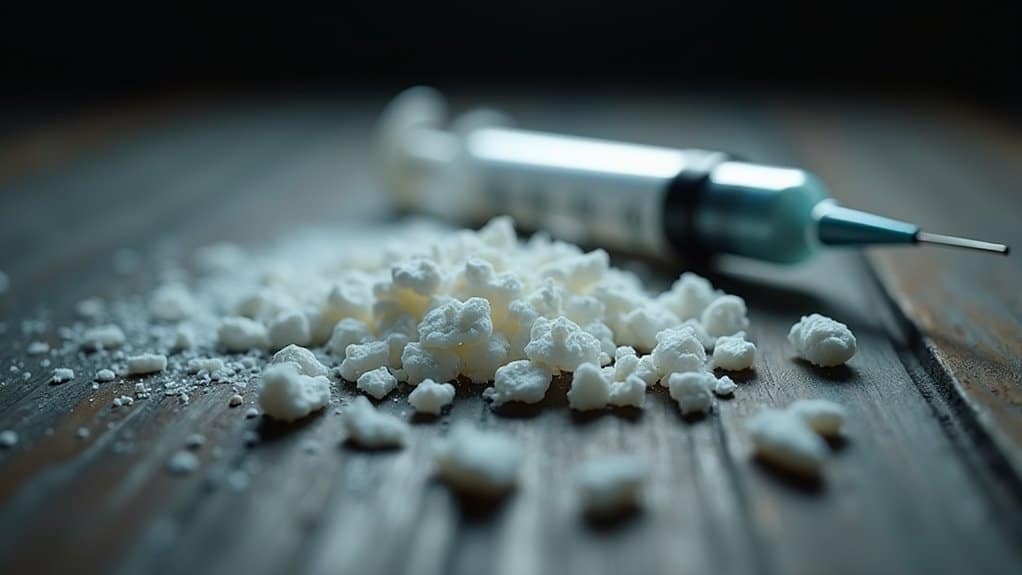
Meth is increasingly mixed with fentanyl through a combination of intentional and accidental factors. Sometimes you’re combining them deliberately, chasing a balance between fentanyl’s sedation and meth’s stimulation. Other times, contamination happens without your knowledge, as fentanyl infiltrates the drug supply through shared equipment and manufacturing.
| Intentional Use | Accidental Exposure |
|---|---|
| Seeking a “speedball” effect | Cross-contamination in supply |
| Managing opioid withdrawal | Fentanyl-laced meth batches |
| Extending or intensifying highs | Unknowing ingestion |
This “fourth wave” of the overdose crisis reflects both patterns. In 2021, 61.2% of methamphetamine overdose deaths also involved heroin or fentanyl. Whether you’re mixing intentionally or exposed unknowingly, the combination dramatically raises your fatal risk. Understanding why this happens can help you make safer, more informed decisions.
What to do if someone is overdosing
Call 911 immediately if someone is overdosing on meth, because every second counts. Don’t wait to see if symptoms improve. Altered mental status, a rapid heart rate, chest pain, or confusion can quickly progress to irreversible harm or death. Asking is meth bad for you? Beyond rapid addiction, it causes severe heart damage and physical breakdown that make immediate intervention critical.
Keep the person awake and responsive as you wait for help. Turn them onto their side to prevent choking if they lose consciousness or vomit. Because meth’s now frequently mixed with fentanyl, administer naloxone if you suspect any opioid component, even if you’re uncertain. It won’t cause harm if opioids aren’t present.
Stay with them, monitor their breathing, and try to keep them calm. Your quick action matters. Acting fast on these warning signs gives the person the best chance at survival.
How Vive Treatment Centers helps people reduce these risks
Vive Treatment Centers reduces these risks by helping you break the cycle of meth use before it turns fatal. Because most meth-related deaths now involve fentanyl or other opioids, we address polysubstance use directly, reducing your risk of the synergistic toxicity driving today’s overdose crisis. We provide medical support to manage the cardiovascular strain, high blood pressure, and elevated heart rate that make meth deadly. Our clinicians screen for co-occurring conditions, including the psychosis and altered mental states that accompany severe use.
You’ll receive evidence-based care tailored to your history, whether you’re facing Methamphetamine Use Disorder alone or alongside opioid dependence. We also equip you with overdose-response tools, including naloxone education. Recovery is possible, and we’ll walk alongside you every step toward lasting safety.
Meth Kills, and Fentanyl Made It Worse. Get Out Now.
Overdose deaths jumped nearly 50-fold, and most now involve fentanyl you may not know is there, one hit stacking stimulant strain on top of opioid toxicity. You don’t get many warnings. Vive Treatment Centers in DC treats meth and opioid use together, with naloxone education and medical support for the cardiovascular strain that makes it lethal.
Call (202) 506-3490 now or verify your insurance. Confidential, whenever you’re ready.
Frequently Asked Questions
How Long Does Methamphetamine Stay in Your System?
Methamphetamine typically stays in your system for several days after use, though timing varies by test type. You’ll find it detectable in urine for about 1, 4 days, in blood for 1, 3 days, and in saliva for up to 2 days. Hair testing can reveal use for up to 90 days. Your metabolism, hydration, dosage, and frequency of use all affect how long it lingers in your body.
Can You Fully Recover From Long-Term Meth Use?
Yes, you can recover substantially from long-term meth use, though it takes time and support. Your brain heals as dopamine function gradually improves, and many cognitive and emotional symptoms ease with sustained abstinence. Some effects, like cardiovascular damage, may persist, so ongoing medical care matters. You’ll benefit from treatment, therapy, and a strong support network. Recovery isn’t always complete, but meaningful healing is genuinely possible, and you don’t have to face it alone.
Is Meth Addiction Treatable With Medication?
Currently, no medication’s FDA-approved specifically for methamphetamine addiction, unlike treatments available for opioid use disorder. However, you’re not without options. Research shows some medications may help reduce cravings and support recovery when combined with behavioral therapies. Your most effective path typically involves counseling, contingency management, and broad support. If you’re also facing opioid co-involvement which is common medication-assisted treatment can address that component. Talk with a provider about what’ll work best for you.
What Are the Early Signs of Meth Addiction?
You’ll notice early signs of meth addiction when someone shifts their behavior and physical health. Watch for increased energy followed by crashes, decreased appetite and weight loss, disrupted sleep, and dilated pupils. You might see growing secrecy, mood swings, irritability, or anxiety. As use continues, they’ll prioritize the drug over responsibilities and relationships. If you’re recognizing these patterns in yourself or someone you love, reaching out for help matters.
How Does Meth Affect the Brain Over Time?
Meth changes your brain’s chemistry over time, disrupting how you produce and process dopamine, the chemical tied to pleasure and motivation. You might notice worsening memory, impaired decision-making, and emotional struggles. Chronic use can trigger confusion, paranoia, and psychosis, including hallucinations and altered mental status. These changes don’t always reverse quickly, but with sustained recovery, your brain can heal. If you’re experiencing these symptoms, please know support and treatment are available.