







Meth ranks among the most harmful stimulants you can use. It sits below heroin and crack in overall harm, but it’s more addictive than cocaine and far more neurotoxic. Its six-to-24-hour high drives powerful reinforcement, while dopamine and serotonin damage make feeling normal harder over time. Unlike opioids, meth overdoses don’t respond to naloxone, and no approved medications exist for addiction yet. Understanding how these risks compare can help you make safer choices ahead.
Key Takeaways
- Meth is one of the most harmful stimulants, ranking below only heroin and crack cocaine in overall drug harm.
- Meth causes more lasting brain damage than cocaine, harming dopamine and serotonin neurons, while cocaine mainly damages the cardiovascular system.
- Meth is more addictive than cocaine, driven by an intense high lasting six to 24 hours and lacking approved treatment medications.
- Unlike opioids that kill through respiratory depression, meth erodes the brain and body through sustained neurotoxicity.
- Any meth use is risky because the drug is neurotoxic and can start damaging neurons even in limited amounts.
How dangerous is meth compared to other drugs
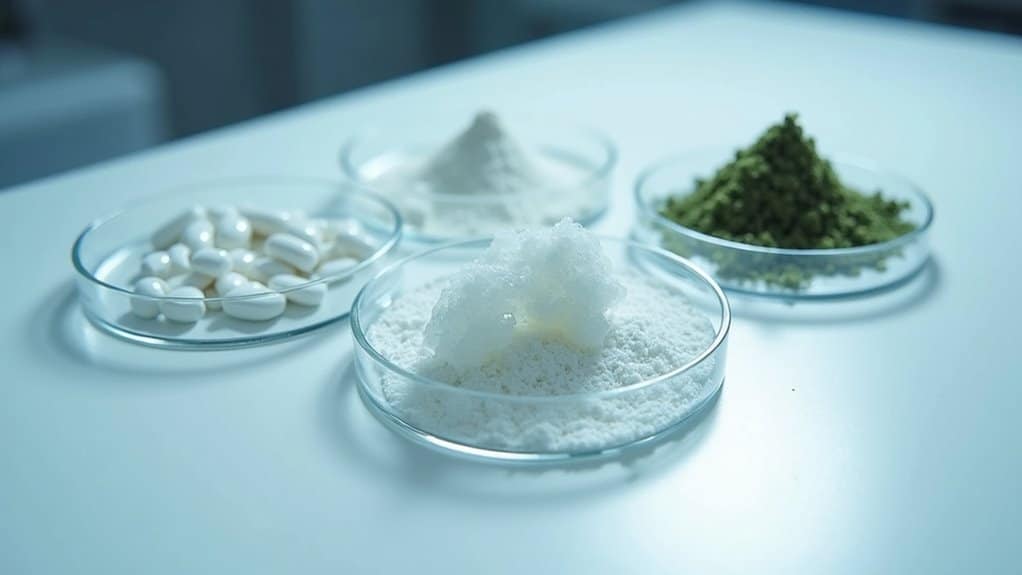
Meth is one of the most harmful stimulants. It sits above amphetamine in seriousness and proves materially more dangerous than Adderall, largely because its street origin exposes you to toxic contaminants. It’s more addictive than cocaine, and it produces a longer, more intense high that lasts six to 24 hours. Its overall harm ranks below heroin and crack cocaine, but it remains a high-harm stimulant. Unlike cocaine, which primarily damages your cardiovascular system, meth causes severe, sometimes irreversible cognitive decline alongside heart strain. Meth overdose deaths have recently exceeded cocaine overdose deaths, and treatment options are limited. If you or someone you love uses meth, understanding these comparative risks can guide safer, informed decisions. Critical meth overdose risks can strike even occasional users, making it vital to recognize signs like spiking heart rates and extreme agitation for fast emergency response.
How does meth compare to cocaine and other stimulants
Meth causes more visible, lasting harm to your brain than cocaine and other stimulants. Cocaine and meth belong to the same stimulant family, but they don’t affect your body and brain the same way. Cocaine primarily damages your cardiovascular system, while meth’s neurotoxic effects cause more lasting harm to your brain. These differences help explain why meth carries such serious risks.
- Duration: Meth’s high lasts six to 24 hours, far longer than cocaine’s, keeping you exposed to harm.
- Addiction: Meth is more addictive than cocaine, making it harder for you to stop.
- Brain damage: Meth causes severe cognitive decline, while cocaine mainly triggers cardiovascular damage.
- Overdose deaths: In recent years, meth overdose deaths have surpassed cocaine’s.
Meth ranks below heroin and crack, yet remains a high-harm stimulant.
How does its addictiveness compare to other substances

Meth is more addictive than cocaine, largely because it produces a longer, more intense high that lasts six to 24 hours. This extended duration floods your brain with dopamine, reinforcing compulsive use more powerfully than shorter-acting stimulants. Over time, meth damages the dopamine and serotonin neurons responsible for pleasure and mood, so you may struggle to feel normal without it. Asking is meth a stimulant? While it creates a temporary illusion of peak focus and energy, it quickly turns into severe anxiety, paranoia, and lasting mood swings.
Quitting is especially challenging because no approved medications currently treat meth addiction, and naloxone won’t reverse a meth overdose unless fentanyl is involved. If you’re facing this dependence, know that the difficulty reflects real neurological changes, not personal weakness. Behavioral support and structured treatment remain your most effective options.
How does its long-term harm compare to opioids
Meth’s long-term harm follows a different path than opioids, even though its overall harm ranks below heroin and crack cocaine. Where opioids primarily threaten you through respiratory depression and overdose, meth erodes your brain and body through sustained neurotoxicity. You face structural changes that may prove irreversible, unlike some opioid effects that ease with abstinence. Wondering is meth bad for you? Beyond cognitive damage, it leaves lasting scars like heart problems, stroke risk, and mental health struggles that persist even after quitting.
Consider these distinctions:
- Meth damages dopamine and serotonin neurons, causing cognitive decline, memory loss, and permanent psychiatric disorders.
- Opioid overdoses respond to naloxone, while meth overdoses don’t unless fentanyl’s present.
- No approved medications treat meth addiction, whereas opioid dependence has established pharmacological therapies.
- Meth’s cardiovascular strain adds strokes and brain hemorrhages to its neurological toll.
You’re facing compounding harm that demands informed, compassionate treatment.
Is meth the worst drug, and how do experts measure that

Experts decide whether meth deserves the label “worst drug” by weighing multiple factors rather than relying on a single measure: immediate health risks, addiction potential, long-term damage, and social harm. When you look at overall rankings, meth sits below heroin and crack cocaine in total harm, yet it remains a high-harm stimulant. It’s more addictive than cocaine, and it produces a longer, more intense high lasting six to 24 hours.
Why any meth use carries serious risk
Any meth use carries serious risk because the drug is neurotoxic, and even a single use can start damaging the dopamine and serotonin neurons in your brain. You don’t need to be a chronic user to face harm. The drug’s intense, prolonged high stresses your body and brain from the first dose. Combining it with alcohol, cocaine, or opiates raises toxicity sharply, and no approved medication exists to treat meth addiction. Recognizing meth use dangers means facing how long-term use triggers paranoia, severe hallucinations, and mental health struggles that can ruin lives.
Consider what even limited use can trigger:
- Extreme anxiety, high blood pressure, and cardiac arrest
- Neurotoxic damage to memory and emotion-regulating brain regions
- Overheating that leads to seizures or brain hemorrhages
- Coma or death, especially when mixed with other substances
You deserve to understand these risks clearly, because with meth, there’s no reliably “safe” amount to use.
How Vive Treatment Centers treats meth and polysubstance use
Vive Treatment Centers treats meth and polysubstance use with evidence-based behavioral therapies and detailed medical support, since no approved medication exists to treat meth addiction. You’ll begin with a broad assessment that identifies any polysubstance use, since combining meth with alcohol, cocaine, or opiates raises your toxicity risk markedly.
Because meth damages brain regions tied to memory, judgment, and emotion, your treatment plan addresses cognitive and psychological effects like anxiety, depression, and paranoia alongside physical health. If fentanyl is present, you’ll receive appropriate overdose protections and monitoring.
You’ll work through structured behavioral therapies designed to rebuild judgment, manage cravings, and restore daily function. Throughout, your care team monitors cardiovascular health, supports nutrition, and treats co-occurring conditions, giving you a coordinated, compassionate path toward lasting recovery.
No Naloxone Reversal, No Approved Meds. Just Get Real Help.
What sets meth apart is exactly what makes quitting alone so hard: it damages dopamine and serotonin neurons directly, sometimes for good, and there’s no pill to reverse an overdose or ease the cravings. That leaves behavioral treatment and real support as the path that actually works. Vive Treatment Centers in Washington, DC does that, with methamphetamine treatment plus overdose protection and monitoring if fentanyl is in the mix.
Call (202) 506-3490 now, or verify your insurance. Confidential support, whenever you’re ready.
Frequently Asked Questions
How Long Does Meth Stay in Your System?
The meth high itself lasts six to 24 hours, which is far longer than cocaine’s effects. That extended duration means the drug’s stimulant impact keeps affecting your body and brain well beyond what you’d experience with other stimulants. During this time, you’re at increased risk of extreme anxiety, soaring blood pressure, and cardiac strain. If you’re struggling with meth use, please know that support and treatment options are available to you.
Can Meth Addiction Be Fully Cured Over Time?
You can’t fully cure meth addiction, but you can manage it effectively over time. There aren’t any approved medications specifically for meth addiction yet, so recovery relies on behavioral therapies and ongoing support. You should also know that chronic use causes brain changes affecting memory and emotion, some of which may be irreversible. With sustained treatment and care, though, you can achieve lasting recovery and reclaim your health.
What Are the Early Warning Signs of Meth Use?
You’ll notice several early warning signs if someone’s using meth. Watch for extreme anxiety, rapid heart rate, and soaring blood pressure. You might observe dental deterioration known as “meth mouth,” skin sores, and noticeable malnutrition. Look for mood disturbances, memory problems, paranoia, and aggressive behavior. You could also see hallucinations or psychotic tendencies emerging. Since the high lasts six to 24 hours, you’ll likely spot prolonged periods of disorientation and sleeplessness.
Is Meth Legal for Any Medical Purposes?
You’ll find that methamphetamine does have limited, tightly controlled medical uses. Doctors can prescribe it under the brand name Desoxyn to treat ADHD and, in some cases, obesity that hasn’t responded to other treatments. However, it’s a Schedule II controlled substance, meaning it carries a high potential for abuse. The pharmaceutical form differs greatly from illicit meth, which often contains toxic contaminants that dramatically increase your health risks.
How Much Does Meth Addiction Treatment Typically Cost?
I can’t give you specific treatment costs, since the knowledge provided doesn’t include pricing information. What I can tell you is that no approved medications currently exist specifically for meth addiction, so treatment typically relies on behavioral therapies and support programs. Costs vary widely based on your care setting, program length, and location. I’d encourage you to contact treatment providers or your insurer directly to understand what you’ll actually pay.