







Yes, meth is a powerful central nervous system stimulant. It speeds up communication between your brain and body by flooding your system with monoamine neurotransmitters, especially dopamine. Meth works by displacing dopamine from storage vesicles through VMAT2 and driving reverse transport through the dopamine transporter (DAT). This surge produces intense euphoria, heightened wakefulness, and elevated cardiovascular activity. But that high comes at a cost. Understanding meth’s full mechanism reveals why it’s so dangerously addictive.
Key Takeaways
- Yes, methamphetamine is a central nervous system stimulant, also classified as a psychostimulant and sympathomimetic.
- As a stimulant, it speeds up brain-body signaling, boosting wakefulness, cardiovascular activity, and attention.
- Meth floods the brain with dopamine by displacing it via VMAT2 and reversing transport through DAT.
- Unlike cocaine, which blocks reuptake, meth actively forces neurotransmitter release, lasting 8, 12 hours with higher neurotoxicity.
- Its rush-and-crash cycle drives repeated redosing and dependence, treated with behavioral therapies and relapse prevention.
Is meth a stimulant

Yes, meth is a stimulant, specifically a central nervous system (CNS) stimulant. It’s an N-methylated derivative of amphetamine within the phenethylamine chemical class, and it exists as two enantiomers: levo-methamphetamine and dextro-methamphetamine. Classified as both a psychostimulant and sympathomimetic, it carries a high addiction potential.
Meth is a synthetic substance often sold as shiny bluish-white rocks or crystals. You might recognize it by street names like “crystal meth,” “Tina,” or “ice.”
As a stimulant, meth enhances the release of monoamine neurotransmitters, serotonin, dopamine, and norepinephrine, driving increased wakefulness, physical activity, and decreased appetite. You’ll notice its acute effects closely resemble a fight-or-flight response, elevating heart rate, blood pressure, and alertness while producing intense euphoria. Understanding how dangerous is meth can help you recognize its serious long-term health effects. Meth use increases the risk of addiction, overdose, and lasting physical and mental harm.
What does it mean for a drug to be a stimulant
A stimulant is a drug that speeds up activity in your central nervous system, ramping up communication between your brain and body. When you take one, it accelerates neural signaling, heightening physiological and psychological function. Stimulants work primarily by increasing the availability of monoamine neurotransmitters, dopamine, norepinephrine, and serotonin, which regulate alertness, mood, and physical performance.
You’ll notice these effects manifest in three key ways:
- Increased wakefulness and reduced fatigue, keeping you alert and energized.
- Elevated cardiovascular activity, including faster heart rate, rapid breathing, and higher blood pressure.
- Enhanced attention and focus, driven by heightened catecholaminergic signaling in prefrontal circuits.
This classification helps you recognize why stimulants like methamphetamine produce such powerful, potentially dangerous effects. Understanding meth overdose risks can help you recognize the life-threatening effects of meth use. Awareness and early intervention are key to preventing serious health complications.
How does meth flood the brain with dopamine
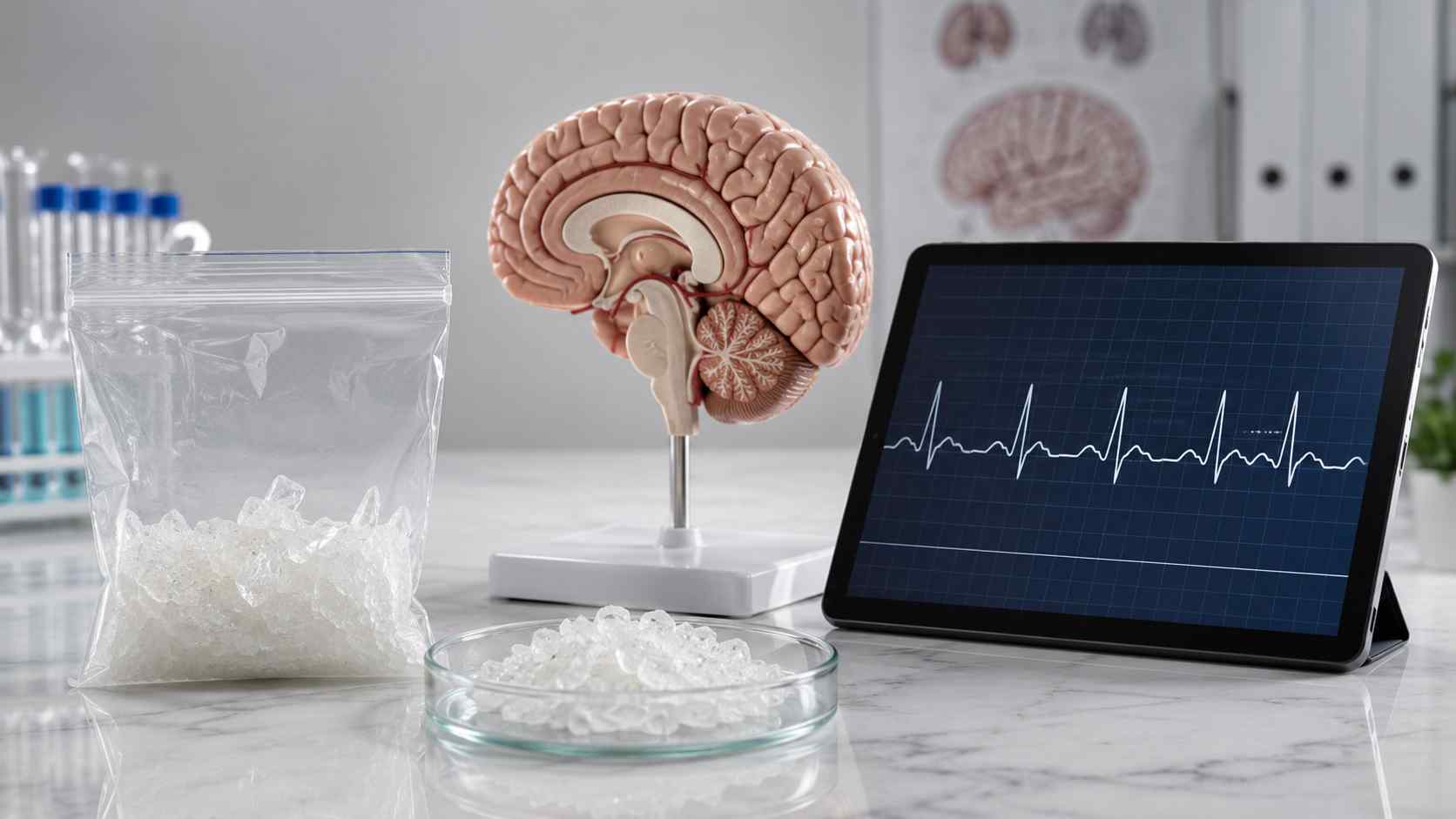
Methamphetamine floods your brain with dopamine through a multi-pronged assault on the neurons that produce and regulate it. First, the drug displaces dopamine and other monoamines from their storage vesicles by acting on the vesicular monoamine transporter 2 (VMAT2). This releases stored dopamine into the cell’s cytoplasm. Next, methamphetamine promotes reverse transport through the dopamine transporter (DAT), forcing dopamine out of the neuron and into the synapse rather than reabsorbing it. At high concentrations, the drug also inhibits monoamine oxidase (MAO), the enzyme that breaks down dopamine, to a lesser extent. Together, these mechanisms elevate synaptic dopamine far beyond normal levels. This surge drives the intense euphoria you feel, simultaneously setting the stage for neurotoxicity and dependence. Is meth bad for you examines the harmful effects of methamphetamine, including addiction, long-term health complications, and significant psychological consequences.
How does meth differ from other stimulants like cocaine
Cocaine and methamphetamine both drive up synaptic dopamine, but they do it through fundamentally different mechanisms with very different durations. Cocaine blocks reuptake transporters, so dopamine accumulates only while natural release continues. Meth goes further: it triggers reverse transport through DAT and displaces monoamines from vesicles via VMAT2, actively pumping dopamine into the synapse. This produces a larger, longer-lasting surge and greater neurotoxic potential.
| Feature | Cocaine | Methamphetamine |
|---|---|---|
| Primary action | Reuptake blockade | Reverse transport + VMAT2 release |
| Duration | Short (~1 hour) | Long (8, 12 hours) |
| Neurotoxicity | Lower | Higher |
Meth’s extended half-life keeps you stimulated far longer than cocaine, intensifying wakefulness, cardiovascular strain, and the cumulative damage to dopaminergic neurons over time.
Why the rush and crash cycle drives repeated use

The rush and crash cycle drives repeated use because each dose sets off a cascade that hooks users into repeated consumption. When you smoke or inject the drug, you feel an intense “rush” as it floods your brain with dopamine, norepinephrine, and serotonin. This surge produces euphoria, alertness, and heightened self-esteem, closely mimicking a fight-or-flight response.
- The rush: Reverse transport through DAT and NET, plus VMAT2 displacement, drives overwhelming euphoria and energy.
- The crash: As neurotransmitters deplete, you experience fatigue, depression, paranoia, and severe anxiety.
- The cycle: You take more to escape the crash, reinforcing dependence.
Because the crash feels so punishing, you’re compelled to redose quickly. This pattern accelerates neurotoxicity and can establish addiction after the first use.
How the stimulant effects lead to addiction
Stimulant effects lead to addiction because the same mechanisms that make meth feel rewarding also drive compulsive use. When you use meth, the drug forces dopamine, norepinephrine, and serotonin into your synapses through reverse transport and VMAT2 displacement. This flood of dopamine produces the euphoria and heightened alertness you feel, but it also reinforces the behavior powerfully. Your brain quickly associates meth with reward, and because the drug is highly addictive, dependence can develop after your first use. As catecholaminergic signaling repeatedly spikes, your brain adapts, downregulating its natural dopamine response. You’ll need more meth to feel normal, let alone euphoric. This escalating cycle, combined with neurotoxic damage to emotion- and memory-regulating structures, entrenches compulsive use and steers you toward a substance use disorder. Understanding meth use dangers can help you recognize the lasting physical and psychological effects of meth. Awareness is essential for prevention and successful recovery.
How Vive Treatment Centers treats stimulant use disorder
Vive Treatment Centers treats stimulant use disorder with an evidence-based approach that targets the dopamine dysregulation, cognitive impairment, and behavioral patterns underlying dependence. Because stimulant use disorder rewires your brain’s reward circuitry, effective treatment has to address both the neurobiological damage and the compulsive behaviors it drives. Your care team develops an individualized plan grounded in proven clinical interventions:
- Behavioral therapies, Contingency management and cognitive behavioral therapy (CBT) directly counteract the reinforcement pathways that sustain compulsive use.
- Medical stabilization, Supervised care manages withdrawal, monitors cardiovascular and neurological effects, and addresses co-occurring conditions.
- Relapse prevention, Structured aftercare and skills training help you rebuild cognitive function and maintain long-term recovery.
You’ll get thorough, coordinated treatment designed to restore both brain and behavior.
Break the Redose Loop. Call Today.
The crash is built to make you use again, paranoid, drained, and one hit away from relief. That loop is chemical, not weak will, which is why it hooks fast. Vive Treatment Centers in DC counters it with methamphetamine care built on contingency management and CBT.
Call (202) 506-3490 now or verify your insurance. Confidential, whenever you’re ready.
Frequently Asked Questions
What Are the Common Street Names for Methamphetamine?
You’ll commonly hear methamphetamine referred to by several street names. The most widespread include “crystal meth,” “Tina,” and “ice.” These terms often reflect the drug’s physical appearance, as it’s frequently sold as shiny bluish-white rocks or crystals. Recognizing these names is important, since they’re used interchangeably in various contexts. Understanding this terminology helps you identify references to this synthetic, highly addictive central nervous system stimulant that carries significant health and legal risks.
Is There Any Legal Medical Use for Methamphetamine?
Yes, there’s one legal medical use for methamphetamine in the United States. You’ll find it prescribed under the brand-name medication Desoxyn®, which the FDA has approved as a second-line treatment for ADHD. It’s the only legal meth product that remains approved for medical use. Because it’s highly addictive with significant abuse potential, you should know it’s a scheduled substance, so doctors reserve it for carefully selected cases.
What Does “Meth Mouth” Mean and Why Does It Happen?
“Meth mouth” refers to the severe dental problems you’ll develop with chronic methamphetamine use. You experience rapid tooth decay, gum disease, and tooth loss. This happens through multiple mechanisms: the drug decreases your saliva production, drying your mouth and removing natural protection against acids. You’ll also crave sugary drinks, neglect oral hygiene, and grind your teeth. Combined with the drug’s acidic nature, these factors accelerate destruction of your dental structures.
Can Methamphetamine Use Be Fatal After a Single Dose?
Yes, methamphetamine use can be fatal after a single dose. Even one exposure can trigger life-threatening reactions, including hyperthermia that elevates your body temperature to dangerous levels, convulsions, and cardiovascular collapse. You’re also at risk of stroke, heart attack, or multiple organ failure. High doses overwhelm your system, spiking your heart rate and blood pressure. Don’t assume a first use is safe, these acute effects can prove immediately lethal.
How Does Smoking Meth Differ From Injecting It?
When you smoke or inject methamphetamine, you’ll experience that intense “rush” either way, since both routes deliver the drug rapidly to your brain. Injecting sends it directly into your bloodstream, producing an almost immediate, powerful effect. Smoking delivers it through your lungs, which is also fast but slightly less instantaneous. Both methods markedly heighten your addiction risk compared to oral use, and each carries serious cardiovascular and overdose dangers you can’t ignore.