






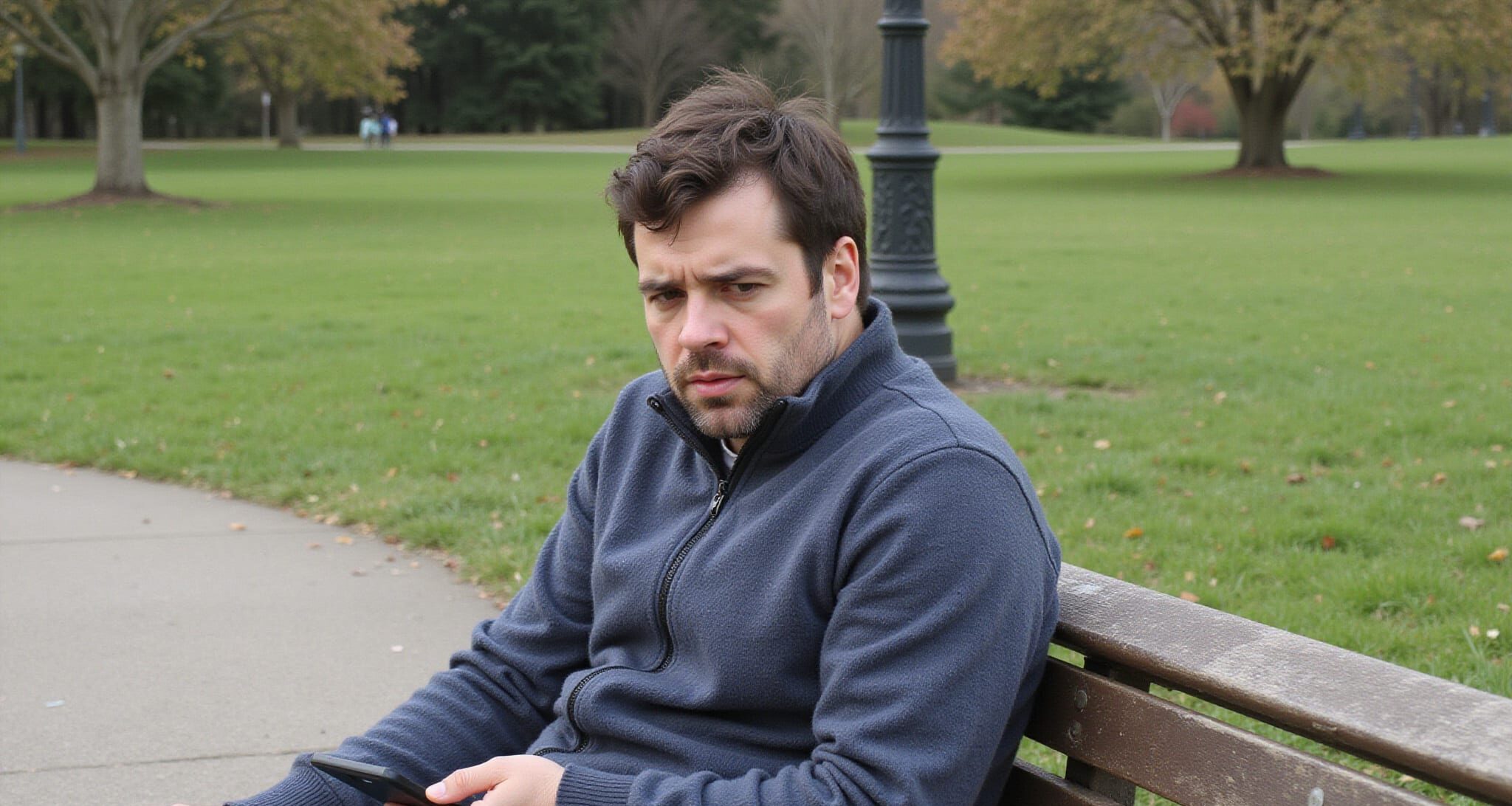



You heal after breaking a trauma bond by first securing your safety, then rebuilding the self-trust the cycle of harm and affection wore down. Start with a safety plan and daily routines. Name the cycle and journal incidents so you can trust your memory. Keep unavoidable contact brief. A trauma-informed therapist can help you process grief and confusion. Mixed feelings don’t mean you made the wrong choice. Below, you’ll see how each healing phase unfolds.
Key Takeaways
- Prioritize safety by building a plan with trusted contacts, a safe place, essential documents, and secured passwords and accounts.
- Break the cycle by naming the harm-and-apology pattern, journaling incidents, and limiting contact to brief logistics when necessary.
- Rebuild self-trust through small consistent actions, realistic goals, manageable boundaries, and reintroducing hobbies that reflect your identity.
- Seek a licensed, trauma-informed therapist experienced in abuse, considering approaches like trauma-focused CBT or EMDR once immediate risks are addressed.
- Prevent repetition by recognizing early warning signs, staying connected to trusted people, and accepting that mixed feelings don’t mean a wrong choice.
How do you heal after breaking a trauma bond

You heal after breaking a trauma bond by putting your safety first, limiting contact, seeking trauma-informed support, reconnecting with trusted people, and giving yourself patience. Start with safety: assess immediate danger, make a safety plan, and contact a domestic-violence advocate. Reduce or end contact when it’s safe, and keep necessary communication focused on logistics. Healing from trauma bonding also means seeking a trauma-informed therapist, reconnecting with trusted people, and journaling incidents to keep your perspective clear. Ending a trauma bond can bring relief, but it often stirs grief, confusion, and a pull to reconnect, because cycles of harm followed by affection or apologies can create an attachment that’s hard to break. These feelings don’t mean you made the wrong choice. Research is still developing, but trauma bond recovery isn’t linear. Setbacks are normal, and you deserve patience as you heal.
How do you break a trauma bond for good
You break a trauma bond for good by recognizing the cycle that keeps you attached, protecting your safety, and building support that makes reconnecting less likely. It isn’t about willpower alone. It’s about changing the conditions that pull you back.
- Name the cycle: notice how harm gets followed by apologies or affection.
- Journal specific incidents so you keep an accurate record.
- Make a safety plan with trusted contacts, a safe destination, and essential items or documents.
- Reduce or end contact when it’s safe; keep necessary communication to logistics.
- Identify triggers and call a trusted person when urges to reconnect hit.
Mixed feelings don’t mean leaving was the wrong choice. Setbacks are a normal part of recovery, not proof you’ve failed.
What does the first phase of healing involve

The first phase of healing from a trauma bond involves safety and stabilization, not unpacking everything that happened.
Begin by evaluating any ongoing danger. A domestic-violence advocate can help you build a safety plan with trusted contacts, a safe destination, and essential documents. Secure your passwords and block accounts when it’s safe to do so.
If you can’t avoid contact, keep it brief and limited to logistics. Expect urges to reconnect, and decide ahead of time who you’ll call instead.
Next, steady your daily life. Restore basic routines, reach out to people who support you, and set small goals around housing, finances, and health.
Confusion and grief are normal right now. You don’t need to process everything yet. You need solid ground.
How do you rebuild self-trust
Rebuild self-trust through small, consistent acts that show you can rely on your own perceptions again. After manipulation, doubting yourself is a common, understandable response, not a personal failing. You can strengthen your judgment step by step:
- Record events and feelings soon after they happen, so you can revisit your own perspective.
- Set small, realistic goals around housing, finances, health, or social connection, and notice when you meet them.
- Reintroduce hobbies and routines that reflect who you are.
- Practice boundaries that feel manageable, adjusting them with support as circumstances change.
- Check your perceptions with a trauma-informed therapist or trusted friends who respect your experience.
Expect setbacks. Mixed feelings don’t mean you’re wrong to trust yourself. They’re part of a normal, nonlinear, gradual recovery.
How does therapy support healing

Therapy supports healing by giving you a steady, nonjudgmental place to rebuild self-trust. A licensed, trauma-informed professional with experience in abuse or coercive control can help you process the relationship, understand why the attachment felt so strong, and rebuild self-esteem. Together, you can practice healthier relationship patterns and boundaries that fit your real circumstances.
Your therapist should prioritize your safety first. If you’re still in contact with the person who harmed you, recovery planning should account for that, and you don’t have to rush into processing trauma. After immediate risks are addressed, approaches such as trauma-focused CBT or EMDR may help. Research on trauma bonding itself is limited, so a good therapist will tailor care to you. Mixed feelings and setbacks don’t mean you’ve failed.
How do you avoid repeating the pattern
You avoid repeating the pattern by learning to name the cycle of harm followed by affection or apology, so you can notice it early in future relationships. Trauma bonds form through these repeated cycles. You’re not to blame for what happened, and building awareness takes time. These practices can help:
- Journal specific incidents so you can compare actions against apologies or promises.
- Watch whether kindness is sustained over time, not just offered after conflict.
- Practice manageable boundaries and notice how someone responds when you set them.
- Stay connected with trusted friends, family, or support groups who can offer perspective.
- Explore relationship patterns with a trauma-informed therapist experienced in abuse or coercive control.
If you feel drawn to familiar dynamics, it doesn’t mean you’ve failed. It’s simply a signal to pause.
What does each stage of healing involve
Each stage of healing after a trauma bond involves a different focus: safety means securing contacts, documents, and a safe place; processing means naming the cycle, journaling, and trauma-informed therapy; and rebuilding means restoring routines, goals, and trusted relationships. Healing doesn’t follow a fixed timeline, and research hasn’t established formal stages specific to trauma bonds, so these phases often overlap as you gradually move from immediate crisis toward stability.
| Phase | What it involves | What it may feel like |
|---|---|---|
| Safety | Securing contacts, documents, and a safe place | Alert, exhausted, uncertain |
| Processing | Naming the cycle, journaling, trauma-informed therapy | Grief, confusion, anger |
| Rebuilding | Restoring routines, goals, and trusted relationships | Steadier, more self-trusting |
You might move back and forth between phases, especially if contact or legal issues continue. That’s normal, and a setback doesn’t mean leaving was wrong. Focus on safety first, then process the relationship at a pace that feels manageable, with support from people who understand abuse and coercive control. Be patient with yourself.
How does Vive Treatment Centers support recovery after a trauma bond
Vive Treatment Centers offers trauma-informed, dual-diagnosis outpatient care to help you move from crisis toward stability after a trauma bond. Your safety comes first, so if you’re still at risk, a domestic-violence advocate can help you build a safety plan; from there, Vive’s mental-health care supports the deeper healing. That care can include:
- Licensed, trauma-informed clinicians who understand abuse, manipulation, and coercive control
- Trauma-focused approaches, such as trauma-focused CBT or EMDR, once immediate risks are addressed
- Dual-diagnosis support for PTSD, anxiety, depression, and other co-occurring conditions, delivered through an intensive outpatient program
- Support rebuilding self-esteem, routines, and healthier relationship patterns
- Connection with peers or groups that counter isolation
Research on trauma bonding is still developing, so you deserve care grounded in broader evidence on intimate-partner violence. Recovery isn’t linear, and mixed feelings don’t mean you chose wrong. Healing takes time, and you don’t have to do it alone.
Conclusion
Healing after a trauma bond follows a path: safety first, then processing the cycle of harm and affection, then rebuilding self-trust, with the phases often overlapping. The pull to reconnect, the grief, the mixed feelings, none of these mean you made the wrong choice. They’re a normal part of a recovery that isn’t linear. With your safety secured and the right trauma-informed support, you can rebuild your judgment, your routines, and your sense of self at a pace that is yours.
Reclaim Yourself After Leaving a Trauma Bond
Healing after a trauma bond takes time, and the right expert support helps you rebuild a sense of safety, self-worth, and peace. Vive Treatment Centers provides Intensive Outpatient Program (IOP) care with compassionate dual diagnosis support for PTSD and co-occurring mental health conditions. Verify your insurance or Call (202) 506-3490 today.
Frequently Asked Questions
Is It Normal to Miss Someone Who Abused or Manipulated You?
Yes, it’s normal. Cycles of harm followed by affection or apologies can build a powerful attachment, so you might miss the kind moments even while knowing they weren’t safe. Missing them doesn’t mean leaving was wrong. Grief, confusion, and anger often linger, and recovery isn’t linear. When urges to reconnect hit, reach out to someone you trust. A trauma-informed therapist can help you untangle these feelings and rebuild your self-trust.
How Long Does It Usually Take to Recover From a Trauma Bond?
Recovery is absolutely possible, and you can get there with time and support. There’s no set timeline, and research on trauma bonding is still limited, so you won’t find a reliable average. Healing usually takes time and isn’t linear. You may feel grief, confusion, sadness, or anger long after leaving, and setbacks don’t mean you chose wrong. Ongoing contact, safety risks, and support all shape your pace. A trauma-informed therapist can help you rebuild self-trust gradually. Whatever your pace, it’s valid and human.
What if No Contact Isn’t Possible Because You Share Children?
You can protect yourself when you share children. Keep contact focused on essential logistics, and use safer channels, like co-parenting apps or email, when appropriate. Avoid meeting alone if you have safety concerns. A domestic-violence advocate can help you plan. Expect post-separation abuse through finances or legal disputes, and keep records. Mixed feelings don’t mean you’ve failed. A trauma-informed therapist can support you as healing happens, even with ongoing contact.
Is Trauma Bonding an Official Diagnosis, and How Strong Is the Research?
No, trauma bonding isn’t an official diagnosis, and you won’t find it in the DSM-5. It’s a developing concept, and evidence for it and for dedicated treatments remains limited. Research on intimate-partner violence and coercive control is far more extensive. Still, your experience is real. You don’t need a formal label to deserve support, and a trauma-informed therapist can help you understand the pull you’re feeling and begin to heal.
How Can You Tell Genuine Change From Another Cycle of Apologies?
Genuine change shows up as sustained safety over time, not intense apologies or bursts of affection. You’d see consistent respect, accountability without blame-shifting, and no pressure to reconnect. It’s understandable if kindness pulls you back; that’s how the cycle works. Journaling specific incidents, with dates, can help you spot repeating patterns. A trauma-informed therapist or domestic-violence advocate can help you weigh what you’re seeing, and your safety always comes first.