







Yes, meth is bad for you. It harms nearly every system it touches. Chronic use kills neurons across your brain, and your limited regenerative capacity means much of that loss is permanent. It strains your heart, raising your risk of clots and stroke. It rots your teeth, drives extreme weight loss, and can trigger psychosis. But recovery is possible, and understanding what happens next can help you take the first step.
Key Takeaways
- Chronic meth use kills neurons throughout the brain, causing often-permanent damage due to limited regenerative capacity.
- Meth raises blood pressure and heart rate, increasing risk of stroke, clots, and cardiac failure.
- “Meth mouth,” extreme weight loss, malnutrition, and open skin sores result from prolonged use.
- Chronic use can trigger psychosis, paranoia, aggression, and hallucinations, including sensations of insects under the skin.
- Recovery is only partial: dopamine receptors may heal, but cognitive impairment and neuronal loss often persist.
Is meth bad for you
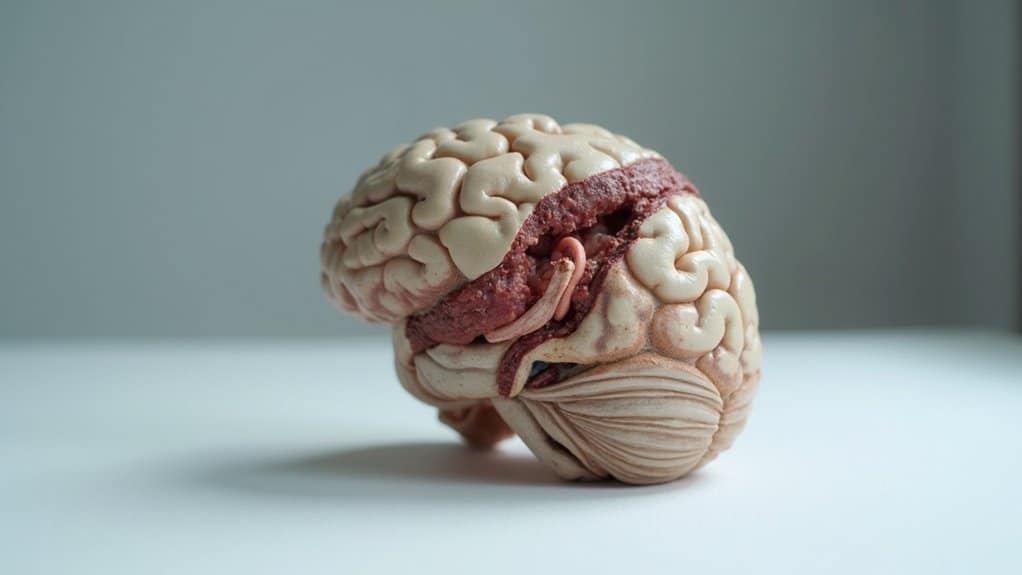
Yes, methamphetamine harms nearly every system it touches. If you use meth chronically, it causes diffuse brain damage by killing neurons throughout your central nervous system, and because your CNS has limited regenerative capacity, much of that loss is irreversible. Your dopamine system takes a direct hit: repeated use destroys dopamine receptors, eventually eliminating your ability to feel pleasure and mimicking symptoms of Parkinson’s disease. Realizing meth use dangers means looking past brain damage to serious mental health struggles like severe anxiety, depression, and fatal overdose risks.
Beyond your brain, meth raises your blood pressure and heart rate, weakening your blood vessels and increasing your risk of blood clots, stroke, and cardiac failure. It rots your teeth from the inside out, drives extreme weight loss, and leaves you malnourished. The damage spans your brain, heart, and body, and much of it lasts. Asking is meth a stimulant? Yes, its intense rush of fake energy masks a heavy toll that can leave long-term scars on your mind and body.
How does meth damage the brain
Meth damages your brain through several overlapping mechanisms, starting with widespread neuronal death. Chronic use kills neurons throughout your central nervous system, and because these cells have limited regenerative capacity, that loss is often permanent. The damage extends to white matter tracts that control your motor functions, reducing grey matter volume and thickness in frontal and limbic regions. Severe meth overdose risks like heart or respiratory failure happen fast, especially when unpredictable potency and fear of stigma keep people from seeking immediate medical help.
Meth also disrupts your dopamine system. Early on, it floods your brain with dopamine, producing intense euphoria. Over time, repeated use destroys dopamine receptors, stripping away your ability to feel pleasure and mimicking Parkinson’s-like symptoms.
Your brain’s blood vessels suffer too. Elevated blood pressure weakens arteries and veins, raising your risk of clots and stroke, damage that’s frequently irreversible.
How does it harm the heart and blood vessels
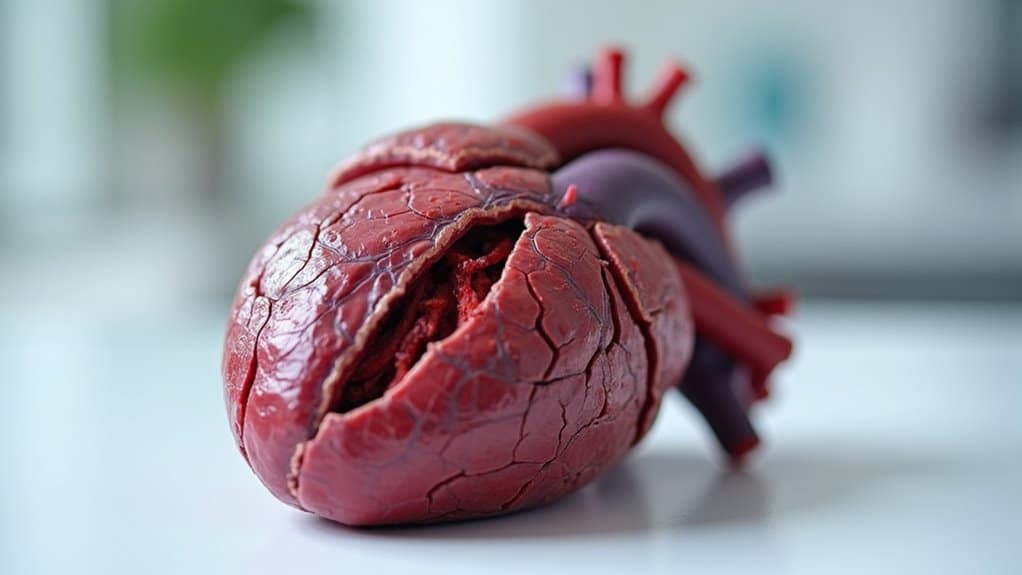
Meth harms your heart and blood vessels by spiking your blood pressure and driving up your heart rate, forcing your heart and vessels to work harder than they should. Over time, this elevated pressure weakens the veins and arteries throughout your central nervous system. Learning how dangerous is meth highlights its heavy toll on mental health, causing severe paranoia and hallucinations that require fast, professional support.
That vascular damage doesn’t just fade away. It raises your risk of blood clots and stroke, and the harm to your brain’s blood vessels is often irreversible. You’re left more vulnerable with every use.
The dangers can turn fatal, too. Increased heart rate and blood pressure can trigger cardiovascular collapse, while hyperthermia, convulsions, or cardiac failure may end in death. Understanding these risks matters, because your heart’s health is genuinely on the line.
How does it affect teeth, skin, and weight
Meth attacks your teeth, skin, and weight in visible and painful ways. Your teeth suffer first, a condition called “meth mouth” causes them to rot from the inside out, leading to periodontal necrosis. Your appetite drops sharply, driving extreme weight loss and malnutrition that weakens your entire body. Delusional parasitosis, the sensation of insects crawling under your skin, often prompts compulsive scratching and open sores.
| What You Notice | What’s Happening |
|---|---|
| Rotting teeth | Decay from the inside out |
| Rapid weight loss | Decreased appetite, malnutrition |
| Skin sores | Scratching from delusional parasitosis |
| Muscle wasting | Prolonged high-dose use |
These changes reflect real physical harm. Understanding them can help you recognize the toll meth takes and seek support.
How does meth use change mental health

Meth reshapes your mental health by triggering psychotic behavior with chronic use, including paranoia and extreme aggression. You might experience visual and auditory hallucinations, or develop delusional parasitosis, the disturbing sensation of insects crawling under your skin. Over time, meth can cause chronic psychosis that closely resembles schizophrenia, blurring the line between reality and distortion.
You may also notice punding: repetitive, non-goal-directed behaviors that reflect the drug’s grip on your brain’s circuitry. These changes aren’t simply behavioral quirks; they stem from measurable damage to dopamine systems and brain structure.
If you’re facing these symptoms, know that they’re recognized consequences of chronic use, not personal failings. Understanding what’s happening in your brain is an important first step toward seeking help and healing.
Can the body and brain recover after stopping
Yes, the body and brain can recover after stopping meth, though recovery is neither complete nor uniform across every system. Some damage heals; other losses persist. Over time, your dopamine receptors can heal, gradually restoring some capacity to feel pleasure. However, cognitive impairment may linger even after those receptors recover, so you might still struggle with memory, attention, and processing speed. Neuron loss in your central nervous system is often irreversible, since the brain has limited ability to regenerate. That means diffuse damage from neuronal death, reduced grey matter, and injured white matter tracts may not fully reverse. Blood vessel damage also raises lasting stroke risk. Physical problems like malnutrition and weight loss often improve with care, but “meth mouth” typically requires dental treatment. Recovery takes time and support.
How Vive Treatment Centers supports physical and mental recovery
Vive Treatment Centers supports your physical and mental recovery with care designed to address the neurological, psychiatric, and physical toll of chronic meth use. Because cognitive deficits and dopamine disruption can persist long after your last dose, our team focuses on gradual, measurable healing.
Here’s how we support your recovery:
- Medical stabilization to manage cardiovascular strain, malnutrition, and withdrawal safely
- Psychiatric care to address paranoia, psychosis, and mood disturbances with evidence-based treatment
- Cognitive and behavioral therapy to rebuild attention, memory, and decision-making over time
You won’t recover overnight, but with structured, compassionate support, meaningful healing of your body and brain becomes possible.
Some of the Damage Is Permanent. Stopping Now Saves the Rest.
Meth kills neurons your brain can’t regrow, so every stretch of use costs ground you don’t get back. But dopamine receptors can heal, the heart strain can ease, and much of the body recovers, only once you stop. Vive Treatment Centers in DC supports that healing with medical stabilization, psychiatric care for the paranoia and psychosis, and methamphetamine treatment that rebuilds cognition over time.
Call (202) 506-3490 now or verify your insurance. Confidential, whenever you’re ready.
Frequently Asked Questions
How Long Does Methamphetamine Stay in Your System?
I can’t provide a reliable answer to this question based on the information given. The knowledge base you’ve shared focuses on methamphetamine’s effects on the brain and body, but it doesn’t contain any data about detection windows, metabolism rates, or how long the drug remains in your system.
For accurate information about detection times in urine, blood, saliva, or hair, please consult a healthcare provider or toxicology resource, as these vary individually.
Is Methamphetamine Addiction Treatable With Medication?
Currently, no medication’s specifically approved to treat methamphetamine addiction, but that doesn’t mean you’re without options. Research shows behavioral therapies, like cognitive-behavioral therapy and contingency management, remain the most effective treatments available to you. Some medications are being studied to ease cravings and support recovery, though evidence is still emerging. If you’re struggling, reaching out to a healthcare provider can help you build an effective, personalized treatment plan.
What Are the Early Warning Signs of Meth Use?
You’ll notice several early warning signs if someone’s using meth. Watch for sudden weight loss, decreased appetite, and dental problems beginning to emerge. You might see increased energy followed by crashes, along with attention and memory difficulties. Look for early psychiatric changes like paranoia, agitation, or unusual aggression. You may also observe repetitive behaviors, disrupted sleep, and rapid heartbeat. Recognizing these signs early lets you seek compassionate, evidence-based help sooner.
How Does Meth Use Affect Pregnancy and Unborn Babies?
I don’t have specific information in my knowledge base about how methamphetamine affects pregnancy and unborn babies. The material I can reference covers meth’s effects on brain structure, cognition, dopamine systems, psychiatric health, cardiovascular damage, and physical deterioration but not prenatal outcomes. I don’t want to guess and risk giving you inaccurate information about something this important. Please consult a healthcare provider or trusted medical source for guidance you can rely on.
What Is the Difference Between Meth and Prescription Amphetamines?
The knowledge provided doesn’t cover specific differences between meth and prescription amphetamines, so I can’t give you evidence-based details on their chemical or pharmacological distinctions from this material. What I can tell you is that chronic methamphetamine use causes serious harm i.e, neuronal death, dopamine receptor destruction, psychosis, and cardiovascular damage. If you’re weighing concerns about either substance, please talk with a healthcare provider who can give you accurate, personalized guidance about risks and safer alternatives.