







You can often spot drug use by looking at someone’s eyes. Cocaine typically causes dilated pupils, bloodshot sclera, and a glassy appearance, while opioids produce pinpoint pupils and cannabis leads to prominent redness. Behavioral cues like rapid speech, hypervigilance, and reduced blinking often accompany these visible changes. Recognizing these patterns early can help you intervene before long-term damage occurs. Understanding the full range of eye-related signs will give you the clarity you need to take action.
What Cocaine Eyes Actually Look Like
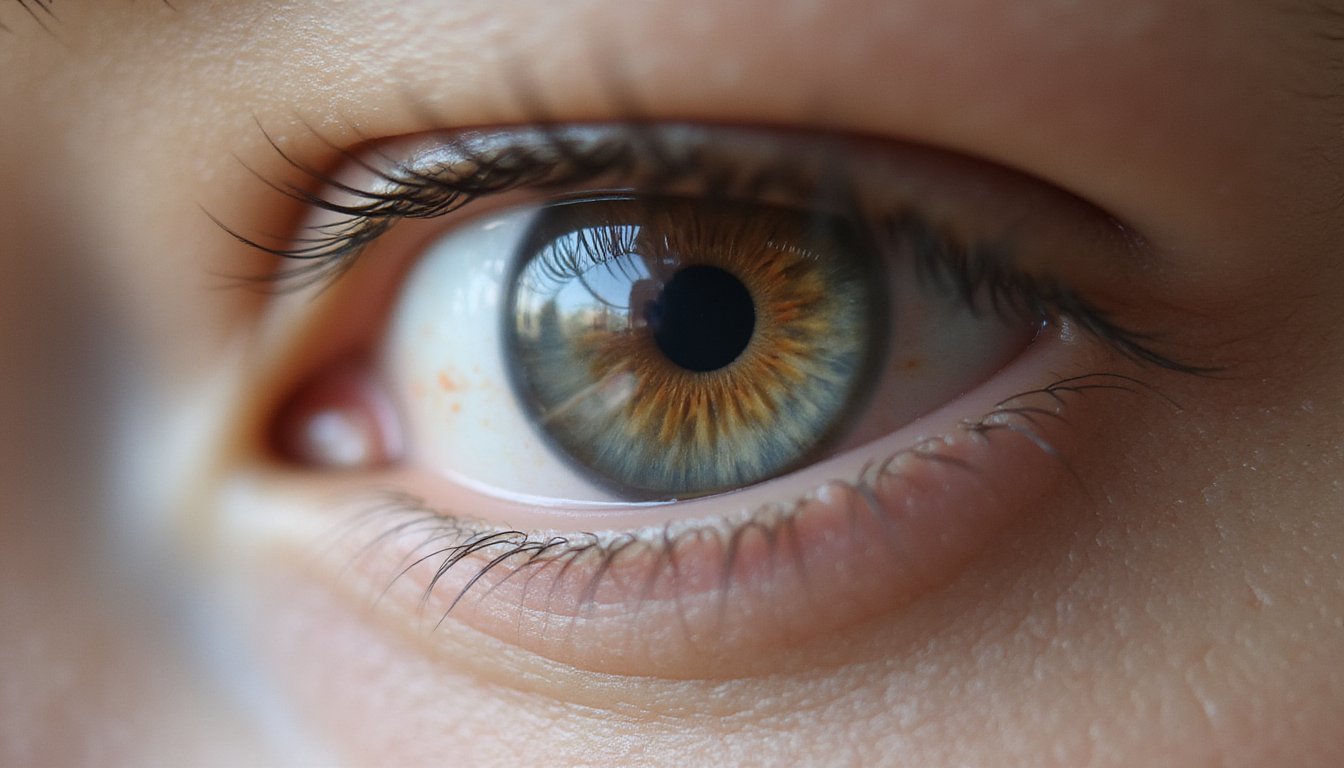
When someone uses cocaine, the eyes often reveal noticeable changes that reflect the drug’s powerful stimulant effects on the nervous system. You’ll typically notice dilated pupils, bloodshot sclera, and a glassy or watery appearance. These high eyes symptoms develop shortly after use and can persist for several hours. Cocaine eye appearance and signs can vary from person to person, but the common indicators remain consistent.
Drug user eyes affected by cocaine often show increased light sensitivity, leading to squinting or indoor sunglasses use. You may also observe eyelid twitching, rapid eye movements, and reduced blink coordination caused by nervous system overstimulation.
Cocaine addict eyes frequently display persistent redness from repeated blood vessel expansion and direct irritation from smoke or powder. If you notice ongoing pain, vision changes, or severe redness, prompt medical evaluation is strongly recommended. Early intervention in seeking professional help can significantly improve recovery outcomes for those struggling with cocaine addiction.
Dilated Pupils: The Most Common Cocaine Eye Sign
Among all the visible changes cocaine produces in the eyes, pupil dilation stands out as the most recognized and consistent sign. When cocaine blocks norepinephrine reuptake, it activates your sympathetic nervous system, triggering a fight-or-flight response that enlarges your pupils. You’ll notice the dark center of the eye appears unusually wide, even in well-lit environments. Continued cocaine use can also interfere with blood flow to the eyes, potentially causing permanent vision problems if left untreated.
Understanding these cocaine eye signs can help you identify patterns worth noting:
- Dilated pupils typically appear shortly after use and may persist for up to six hours.
- Light sensitivity often accompanies dilation because more light enters the eye.
- Other drug use eye signs, including stimulant-related dilation, can look similar, so context matters.
Why Cocaine Causes Redness and Eye Irritation
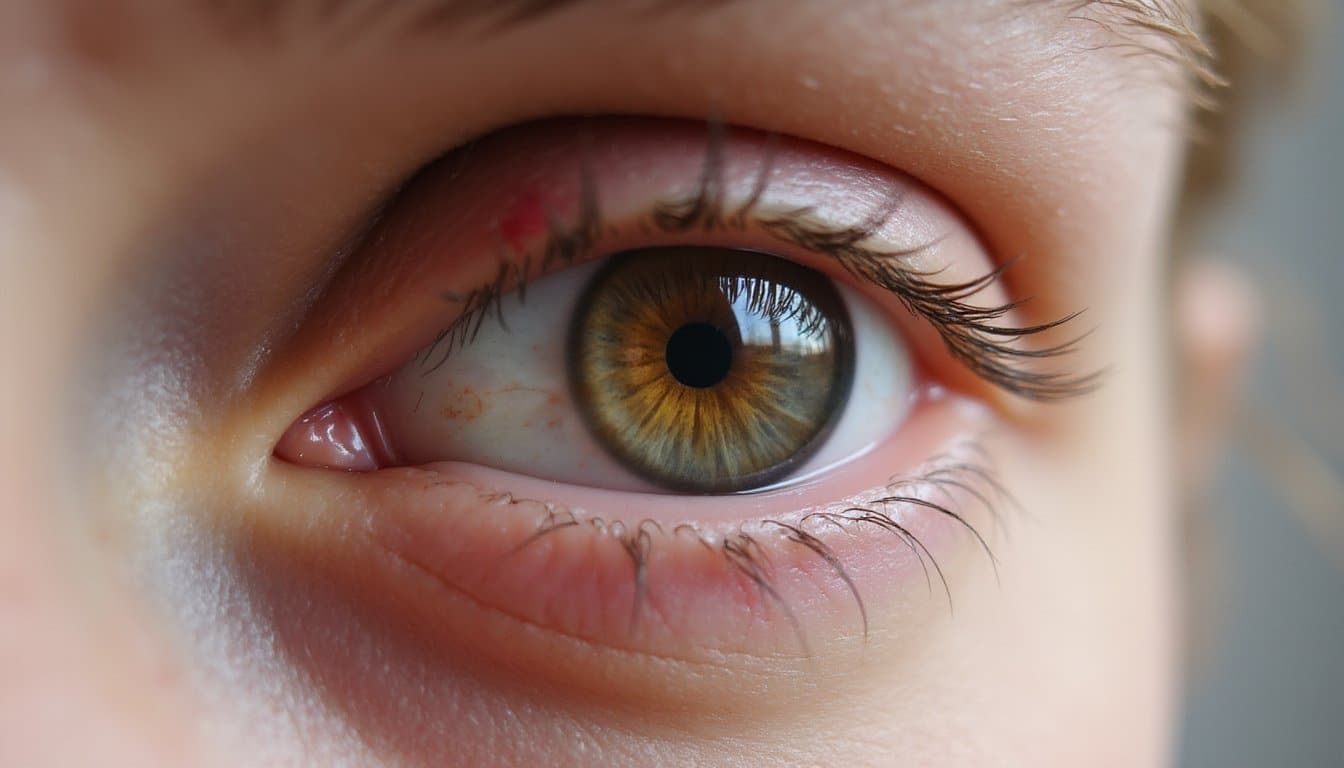
Beyond pupil dilation, cocaine frequently causes noticeable redness and irritation across the eye’s surface. You’ll find that cocaine acts as a powerful vasoconstrictor, narrowing blood vessels and disrupting oxygen delivery to delicate eye tissues. This vascular stress, combined with direct exposure to airborne particles during snorting, creates persistent irritation. Recognizing these signs of drug use in eyes can help you identify when someone needs support. Over time, chronic cocaine use can also lead to increased intraocular pressure, which significantly raises the risk of developing glaucoma.
| Cause | Effect on Eyes | Long-Term Risk |
|---|---|---|
| Vasoconstriction | Redness, reduced blood flow | Serious ocular complications |
| Particle exposure | Burning, gritty sensation | Corneal surface damage |
| Tear-film disruption | Dryness, watery appearance | Corneal injury |
| Reduced corneal sensitivity | Silent damage progression | Neurotrophic keratitis |
| Sleep deprivation | Intensified bloodshot appearance | Compounded healing problems |
The eyes of drug user patterns often reveal what words don’t.
How Cocaine Affects Eye Movement and Focus
When you use cocaine, the stimulant effect on your nervous system can trigger rapid, involuntary eye movements known as nystagmus, making it harder to track objects smoothly or hold a steady gaze. You may also notice difficulty focusing on close-up tasks like reading or using your phone, as cocaine can interfere with the ciliary muscle’s ability to adjust your lens, a process sometimes called cycloplegia. These changes aren’t just uncomfortable; they’re signs that the drug is actively disrupting the neurological pathways that control your vision.
Rapid Involuntary Eye Movements
Although many physical signs of cocaine use are well recognized, rapid involuntary eye movements, known clinically as nystagmus, are among the most telling yet frequently overlooked indicators. You’ll notice these movements as jittery, unstable eye patterns that shift side-to-side, up-and-down, or in a rotary direction. Cocaine’s overstimulation of the nervous system disrupts normal oculomotor control, producing these involuntary shifts even when other behavioral signs remain subtle.
Understanding why these movements matter can help you respond appropriately:
- They signal neurologic stress. Nystagmus reflects disrupted brain-eye coordination, suggesting significant intoxication or repeated stimulant exposure.
- They impair daily function. Unsteady gaze affects visual tracking, reading, and coordination, increasing accident risk.
- They warrant medical attention. Sudden or persistent nystagmus, especially alongside confusion or seizures, requires prompt evaluation to rule out serious complications.
Near Focus Difficulty
Cocaine can impair your ability to focus on nearby objects through a process called cycloplegia, partial paralysis of the ciliary muscle that controls lens shape for close vision. You’ll likely notice reading, phone use, and other close tasks become difficult within minutes of use. Dilated pupils compound the problem by admitting excess light and reducing depth of field.
These near-focus issues typically resolve within hours, though some cases persist up to two days depending on dose and route. However, if you’re experiencing prolonged blurred vision, double vision, or worsening light sensitivity, don’t dismiss it as temporary. Chronic cocaine use carries risks of corneal ulcers, optic nerve injury, and irreversible ischemic optic neuropathy. Persistent focusing problems warrant prompt evaluation by an eye care professional.
Long-Term Eye Damage From Cocaine Use
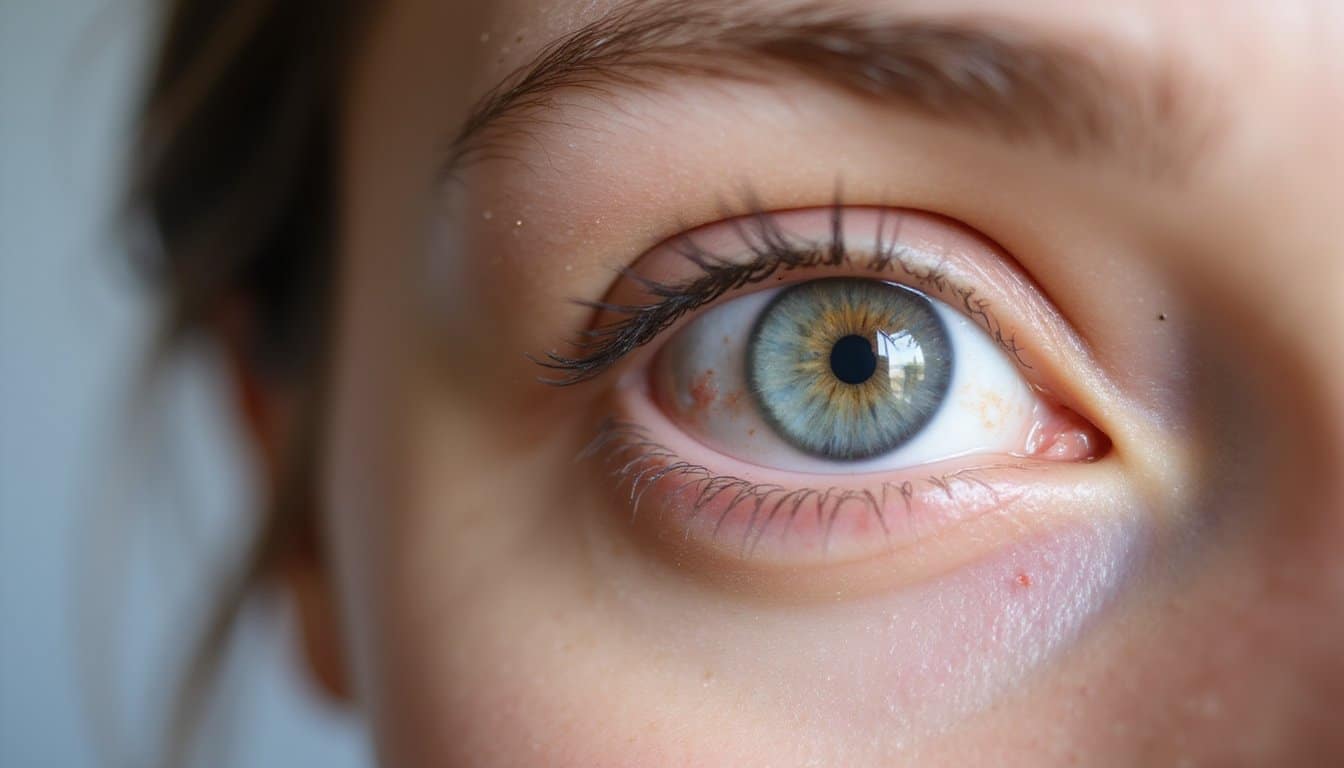
Beyond the immediate effects on pupil size and appearance, chronic cocaine use can inflict serious, lasting damage on nearly every structure of the eye. Repeated exposure can erode the cornea, restrict blood flow to the retina, and even destroy the bony walls surrounding your eye socket.
If you’re concerned about long-term harm, here are three critical risks you should understand:
- Retinal vascular occlusions can starve your retina of oxygen, leading to permanent vision loss that you may not notice until it’s irreversible.
- Optic neuropathy can disrupt the nerve signals between your eye and brain, progressively impairing your sight.
- Orbital bone destruction from chronic intranasal use can cause structural deformity and serious infection requiring surgical intervention.
Early recognition gives you the best chance of preserving your vision.
How Cocaine Eyes Look Different From Other Drugs
When you’re trying to determine which substance someone may have used, the eyes often reveal distinct patterns that separate one drug from another. Cocaine typically causes dilated pupils, bloodshot sclera, and light sensitivity. Opioids produce the opposite, pinpoint pupils with a drowsy appearance. Cannabis can dilate pupils too, but conjunctival redness is usually more prominent than the intense stimulant look cocaine creates.
Methamphetamine closely mirrors cocaine’s dilated pupils, making the two harder to distinguish by eyes alone. Hallucinogens also cause mydriasis but without cocaine’s characteristic redness or dryness. Alcohol and sedatives tend to produce glassy, droopy eyes rather than alert dilation. Recognizing these differences helps you move beyond a single sign and assess the full picture more accurately.
Rapid Eye Movements and Which Drugs Cause Them
Rapid, involuntary eye movements, known as nystagmus, can signal intoxication from specific substances, and the pattern often varies depending on the drug involved. PCP typically produces distinct horizontal or vertical nystagmus, while cocaine and other stimulants may cause fast, jittery eye motion alongside dilated pupils. Understanding how stimulant-induced eye changes differ from those caused by hallucinogens can help you recognize important warning signs more accurately.
Nystagmus From PCP Use
Although many substances can alter eye appearance, PCP (phencyclidine) stands out for producing one of the most distinctive eye signs in toxicology: nystagmus, or rapid, involuntary eye movements. You’ll notice these movements can occur horizontally, vertically, or even in a rotary pattern, making PCP intoxication particularly recognizable.
In a 184-patient case series, researchers documented these key findings:
- Horizontal nystagmus occurred in 64.1% of cases, making it the most frequently observed eye sign.
- Vertical nystagmus appeared in 48.9% of cases, a pattern that helps distinguish PCP from many other intoxications.
- Agitation accompanied nystagmus in 38.6% of cases, often alongside hypertension and combative behavior.
If you’re observing nystagmus paired with agitation, confusion, or muscle rigidity, PCP intoxication should be strongly considered.
Cocaine-Induced Eye Movements
Because cocaine floods the brain with dopamine and norepinephrine, it can overstimulate the nervous system to the point where normal eye muscle control breaks down. You may notice rapid blinking, eyelid flutter, or jerky tracking movements that resolve within one to two days.
Other stimulants produce similar effects. Here’s how they compare:
| Drug | Primary Eye Movement | Mechanism |
|---|---|---|
| Cocaine | Jerky movements, rapid blinking | Dopamine/norepinephrine surge |
| Methamphetamine | Rapid eye agitation | Prolonged sympathetic activation |
| MDMA | Nystagmus, twitching | Combined stimulant-serotonergic effects |
| Ketamine | Nystagmus, altered tracking | NMDA receptor antagonism |
| Alcohol | Blurry or double vision | Central nervous system depression |
If you observe persistent or severe eye movement changes, seek medical evaluation rather than relying on observation alone.
Stimulants Versus Hallucinogens
Stimulants and hallucinogens both trigger rapid, involuntary eye movements, but the patterns differ in ways that can help you distinguish one class from the other.
- Stimulants like methamphetamine produce markedly rapid eye movements, sometimes described as ten times normal speed, alongside dilated pupils and hyperarousal.
- PCP stands apart among hallucinogens, causing prominent horizontal and vertical nystagmus often paired with a blank stare and dissociation, without consistent pupil changes.
- Other hallucinogens like LSD tend to produce pupil dilation and perceptual distortion rather than pronounced nystagmus.
You’ll get the clearest picture when you pair eye signs with other observations, sweating, agitation, or slowed reaction time. Eye findings alone aren’t definitive, but they’re a valuable clinical starting point for identifying the substance class involved.
Behavioral Signs That Accompany Cocaine Eyes
Cocaine’s stimulant properties don’t just affect the eyes, they drive a range of visible behavioral changes that often appear alongside dilated pupils, redness, and light sensitivity. You’ll often notice these signs cluster together during active intoxication. Visual changes caused by cocaine can be striking and alarming. These effects often manifest as increased alertness and a heightened sense of euphoria, which can lead to impulsive behaviors.
| Behavioral Category | Common Signs | Accompanying Eye Changes |
|---|---|---|
| Restlessness | Pacing, fidgeting, muscle tremors | Eyelid twitching, enlarged pupils |
| Hypervigilance | Scanning surroundings, checking exits | Wide-eyed staring, light sensitivity |
| Rapid Speech | Pressured talking, impulsive comments | Reduced blinking, watery eyes |
| Irritability | Short temper, argumentative behavior | Redness, squinting from light |
| Sleep Disruption | Exhaustion after crash, fatigue cycles | Bloodshot eyes, heavy eyelids |
If you’re observing these patterns together, they may reflect stimulant use, though you should always consider the full clinical picture before drawing conclusions.
When Cocaine Eye Signs Signal an Overdose
When you notice someone’s pupils are extremely dilated and unresponsive to light, this may indicate cocaine toxicity rather than typical use. You should also watch for accompanying emergency signs like chest pain, rapid or irregular heartbeat, seizures, or severe agitation, as these symptoms alongside pronounced eye changes suggest a potentially life-threatening overdose. If you observe this combination of extreme pupil dilation and systemic distress, call emergency services immediately, prompt action can be the difference between recovery and a fatal outcome.
Extreme Pupil Dilation Dangers
Among the most recognizable signs of cocaine use, dilated pupils stand out because the drug directly increases norepinephrine activity in the brain, triggering the sympathetic nervous system to widen the pupil beyond its normal range. You’ll notice pupils appear noticeably darker as they expand, often accompanied by light sensitivity.
When dilation becomes extreme, it can signal dangerous levels of cocaine exposure. You should watch for these key indicators:
- Marked pupil dilation paired with acute toxicity signs suggests high cocaine concentrations affecting the nervous system.
- Impaired eye focusing or cycloplegia indicates the drug has paralyzed the ciliary muscle, pointing to significant dosage.
- Rapid or unfocused eye movements alongside bloodshot, glassy eyes reflect overstimulation that warrants immediate medical concern.
These eye changes alone aren’t diagnostic but support recognizing potentially life-threatening situations.
Emergency Physical Warning Signs
Though dilated pupils are a hallmark of cocaine use, certain eye signs cross the line from intoxication into a medical emergency, and recognizing that shift can save a life. When you notice a fixed, glassy gaze paired with unresponsiveness, or pupils that don’t react to light, you’re likely witnessing severe toxicity. Cocaine effects on pupil size can indicate the severity of the situation.
| Eye Sign | Accompanying Symptom | Likely Emergency |
|---|---|---|
| Fixed, dilated pupils | Coma or collapse | CNS failure |
| Unfocused/glassy stare | Chest pain, gasping | Cardiac or respiratory crisis |
| Eye deviation/fluttering | Tremors, rigidity | Seizure activity |
If you observe these clusters, call emergency services immediately. Place an unconscious but breathing person on their side and share all known substance details with responders, including possible opioid co-ingestion. Don’t wait for symptoms to worsen.
How to Get Help for Cocaine Use
If you or someone you care about is struggling with cocaine use, knowing where to turn can make a real difference. You don’t need to wait for a crisis to seek support. Difficulty cutting down, continued use despite consequences, or failed attempts to quit all signal it’s time to act.
Seeking help for cocaine use isn’t a sign of weakness, it’s the first step toward real change.
- Contact a professional.
- Explore evidence-based treatment. Cognitive behavioural therapy, group counselling, and incentive-based programs are proven approaches. No approved substitute medication exists for cocaine, but symptom-specific support is available.
- Build a recovery network. Groups like Cocaine Anonymous and SMART Recovery provide ongoing peer support, while aftercare planning helps prevent relapse long-term.
Your New Beginning Is Just One Call Away
If you’ve noticed cocaine taking a visible toll on your body or someone you love, recovery is possible with the right care by your side. At Vive Treatment Centers in Washington, DC, our caring professionals deliver dependable Cocaine Addiction Treatment built around your unique needs and circumstances. Call (202) 506-3490 today and begin a healthier chapter in your life.
Frequently Asked Questions
Can Eye Drops Effectively Hide Cocaine-Related Pupil Dilation From Others?
No, eye drops can’t effectively hide cocaine-related pupil dilation from others. While they may reduce redness, they don’t address the nervous system stimulation that causes your pupils to enlarge. Your pupils can remain noticeably dilated for hours after use, and drops won’t correct light sensitivity or blurred near vision either. If you’re concerned about cocaine use, yours or someone else’s, you can reach SAMHSA’s National Helpline at 1-800-662-HELP (4357).
How Long Do Cocaine-Induced Eye Changes Typically Last After Use?
You’ll typically notice pupil dilation beginning within minutes of use, peaking during early intoxication, and gradually returning toward baseline within one to two hours. However, some eye changes, like redness, dryness, and light sensitivity, can persist for several hours, sometimes up to six hours or longer. Heavier or repeated dosing, dehydration, and poor sleep can extend these effects further. If you’re experiencing persistent pain or vision changes, it’s important to seek medical evaluation.
Do Genetics Influence How Noticeably Cocaine Affects Someone’s Eyes?
Yes, your genetics can influence how noticeably cocaine affects your eyes. Inherited differences in enzymes that break down cocaine may slow its clearance, intensifying and prolonging pupil dilation, redness, and light sensitivity. Variations in your baseline pupil size and autonomic nervous system reactivity can also make dilation appear more dramatic. However, dose, route, timing, and co-exposures remain major factors, so genetic background alone won’t reliably predict how visible your eye changes are.
Can an Eye Doctor Detect Past Cocaine Use During Routine Exams?
An eye doctor can’t definitively confirm past cocaine use through a routine exam. They may notice signs like dilated pupils, bloodshot eyes, or corneal damage that raise suspicion, but these findings overlap with many non-drug conditions. Most cocaine-related eye changes are temporary and often resolve before you’re examined. If your doctor suspects substance exposure, they’ll typically rely on your clinical history and context rather than eye findings alone.
Are Cocaine Eye Signs Different When the Drug Is Smoked Versus Snorted?
The core eye signs, dilated pupils, redness, tearing, and light sensitivity, overlap heavily whether you smoke or snort cocaine. However, smoking tends to cause more immediate external irritation because hot, caustic smoke contacts your eyes directly, increasing burning and corneal risk. Snorting is more likely to affect your eyes indirectly through sinus inflammation or powder transfer via rubbing. You can’t reliably distinguish the route from eye signs alone.