





You should wait at least 48 hours after your last dose of Paxlovid before drinking alcohol, though a 72-hour window is safer. Ritonavir, a key component of Paxlovid, continues affecting your liver enzymes even after you’ve finished the course. Drinking too soon can amplify side effects like nausea, dizziness, and dehydration. If you have liver concerns or take other medications, you’ll want to wait even longer, and the guidance below covers exactly how to approach your first drink safely.
Wait 48 Hours After Paxlovid Before Drinking Alcohol
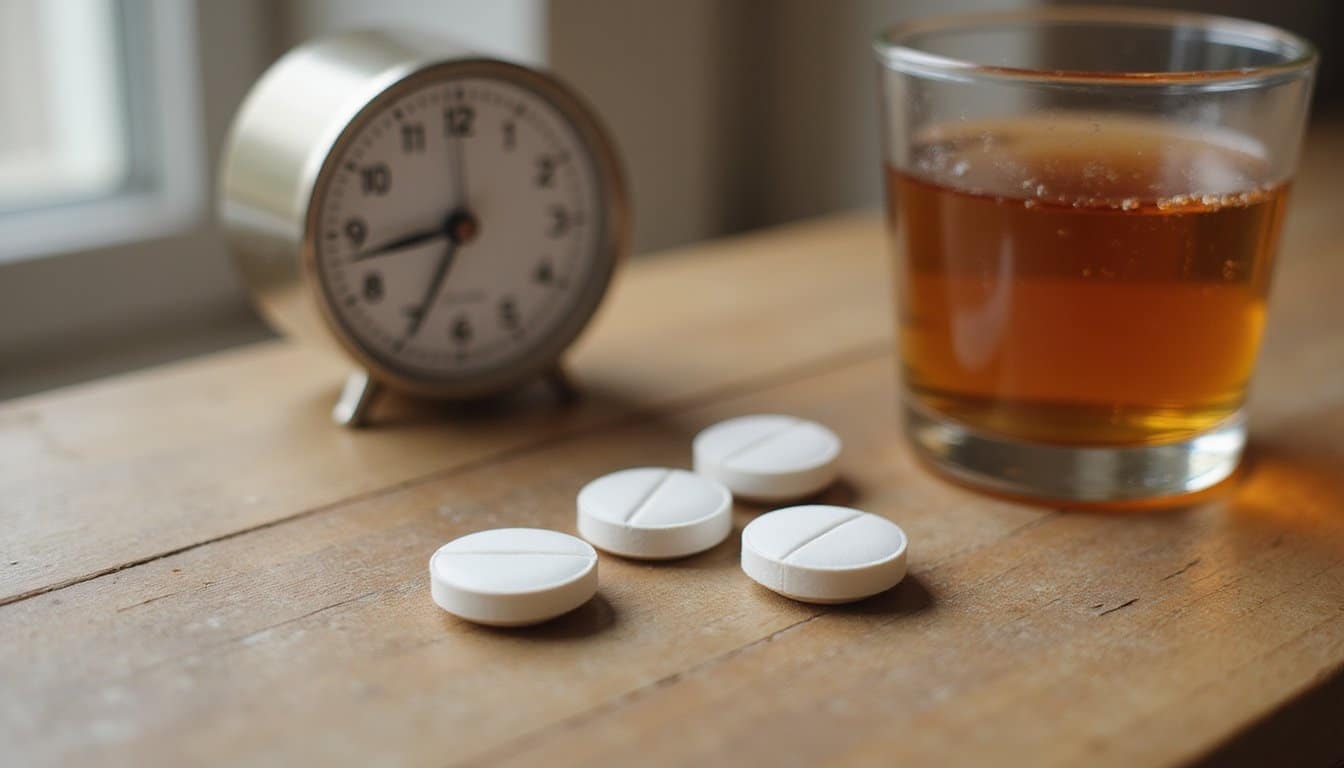
After finishing your Paxlovid course, it’s generally advisable to wait at least 48 hours before drinking alcohol. If you’re wondering how long after taking Paxlovid can you drink alcohol, this 48-hour window serves as a practical safety margin. Paxlovid contains ritonavir, which affects liver enzyme activity even after your final dose. Introducing alcohol after Paxlovid too early can increase the chance of overlapping side effects.
You should wait 48 hours after Paxlovid because residual drug levels need time to decline. Some clinicians recommend extending this to 72 hours, especially if you have liver concerns, take multiple medications, or still experience symptoms. When individual clearance timelines are uncertain, a conservative approach reduces your risk. Ritonavir can inhibit liver enzymes for several days after your last dose, which means alcohol metabolism may still be compromised beyond the treatment period itself.
How Alcohol Worsens Paxlovid Side Effects
Alcohol can amplify Paxlovid’s most common side effects, particularly nausea and dizziness, by triggering overlapping symptoms that stack and intensify your discomfort. When you drink during or shortly after treatment, you also raise your risk of dehydration because both alcohol and Paxlovid can cause fluid loss through diarrhea and vomiting. This combination can slow your recovery from COVID-19 and make it harder for your body to tolerate the full course of medication. Because both substances are processed by the liver, combining them places increased strain on liver function, which can further compromise your body’s ability to heal.
Increased Nausea and Dizziness
Because Paxlovid commonly causes nausea and vomiting during its 5-day treatment course, drinking alcohol can make these symptoms noticeably worse. Alcohol irritates the stomach lining, amplifying gastrointestinal discomfort and making it harder to tolerate meals and fluids. This additive burden can slow your recovery and complicate symptom management.
Dizziness is another frequently reported Paxlovid side effect. When you combine it with alcohol’s central nervous system effects, you’re more likely to experience lightheadedness, unsteadiness, and spinning sensations, raising your risk of falls or accidents. Understanding paxlovid timing alcohol guidelines helps you avoid these compounded effects. If you’re wondering how long after Paxlovid can I drink alcohol, consider that these overlapping symptoms are strongest during active treatment and may persist briefly afterward. Wait until both resolve completely. Additionally, alcohol can inhibit the enzyme needed to metabolize Paxlovid, potentially leading to higher medication concentrations in your bloodstream and intensifying these already uncomfortable side effects.
Greater Dehydration Risk
Beyond nausea and dizziness, dehydration presents another considerable risk when you mix alcohol with Paxlovid. Alcohol acts as a diuretic, increasing fluid loss through urination. Paxlovid’s common side effects, diarrhea, vomiting, and reduced appetite, already deplete your body’s fluid and electrolyte reserves. Adding alcohol compounds these losses considerably. Paxlovid interaction with alcohol can also impair your cognitive functions, leading to heightened risks of accidents or injuries.
During COVID-19 recovery, your body needs adequate hydration to support kidney function, maintain energy, and tolerate medication. When dehydration sets in, you’re more likely to experience worsening fatigue, lightheadedness, and electrolyte imbalances. Older adults and those with pre-existing kidney conditions face even greater vulnerability.
If you’re taking Paxlovid, prioritize water and electrolyte-containing fluids over alcohol. Small, frequent sips are easier to tolerate than large volumes. Avoiding alcohol entirely during treatment remains the safest approach to prevent compounding dehydration risk.
One Drink vs. Several: How Much Alcohol Matters
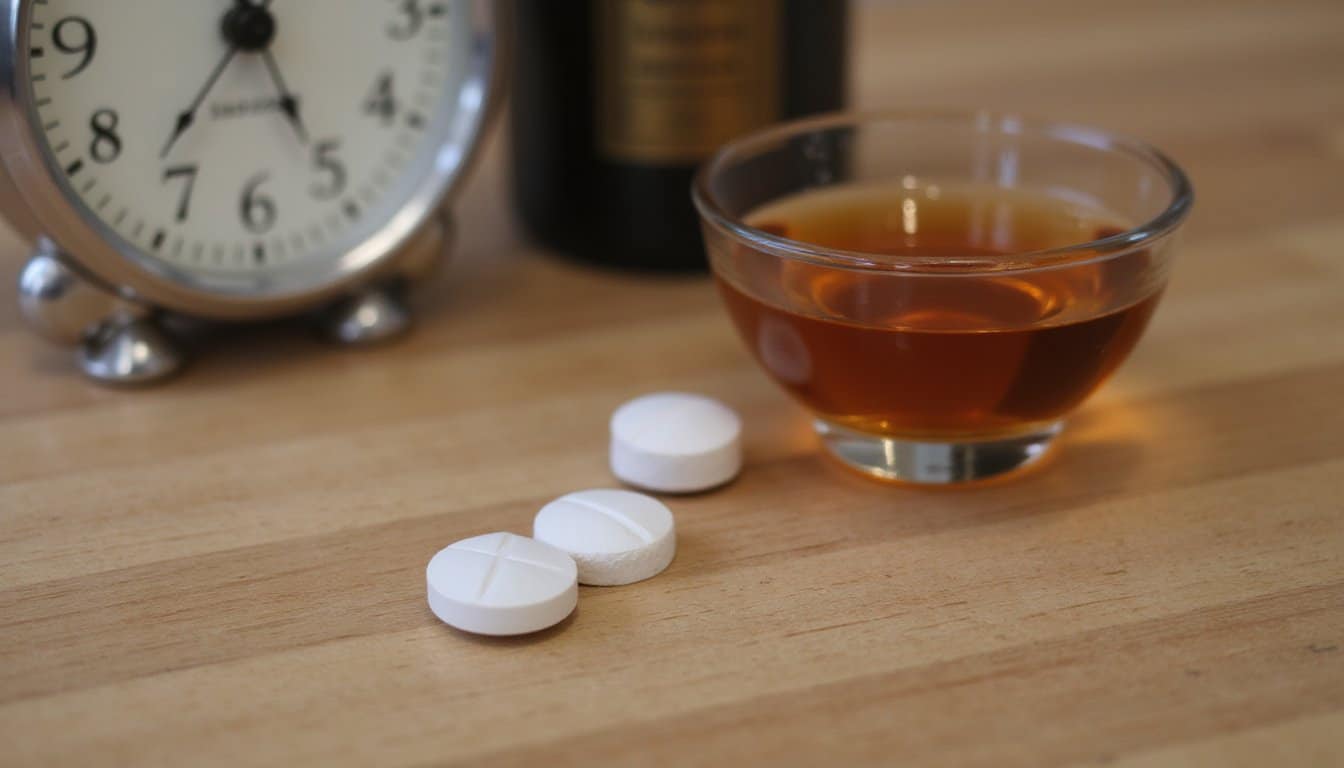
How much you drink matters just as much as when you drink it. One occasional drink poses minimal documented risk for healthy adults, though caution remains advised. Two to three drinks daily increase the likelihood of amplified side effects, nausea, dizziness, drowsiness, and gastrointestinal upset, while adding liver strain during metabolism of the medication.
Heavy drinking, defined as four or more drinks daily, carries the highest risk. This pattern intensifies liver toxicity concerns, worsens dehydration, impairs coordination, and magnifies the overall side-effect burden.
The pattern is clear: risk escalates with quantity. Even without a confirmed direct interaction, each additional drink compounds the strain on your body while it’s processing Paxlovid. The safest choice during your five-day course is complete avoidance.
Who Should Wait Longer to Drink After Paxlovid?
While the amount of alcohol you consume shapes your risk, your individual health profile determines how long you should wait after finishing Paxlovid before having any alcohol at all. Certain groups face elevated risks when combining alcohol with lingering drug effects. Mixing paxlovid and alcohol risks not only adverse reactions but also compromises the effectiveness of the medication.
- People with liver conditions, Paxlovid’s ritonavir component strains hepatic metabolism. If you have hepatitis, cirrhosis, or fatty liver disease, alcohol compounds that burden. Wait until a clinician confirms liver recovery.
- People taking ritonavir-interacting medications, Alcohol worsens sedation and coordination problems alongside CNS-active drugs like benzodiazepines, opioids, or sleep aids.
- People with lingering COVID symptoms, Fatigue, dehydration, and gastrointestinal upset intensify with alcohol, making it harder to distinguish medication side effects from illness progression.
Each situation warrants individualized clinical guidance rather than a fixed timeline.
Signs You’re Not Ready to Drink Again Yet
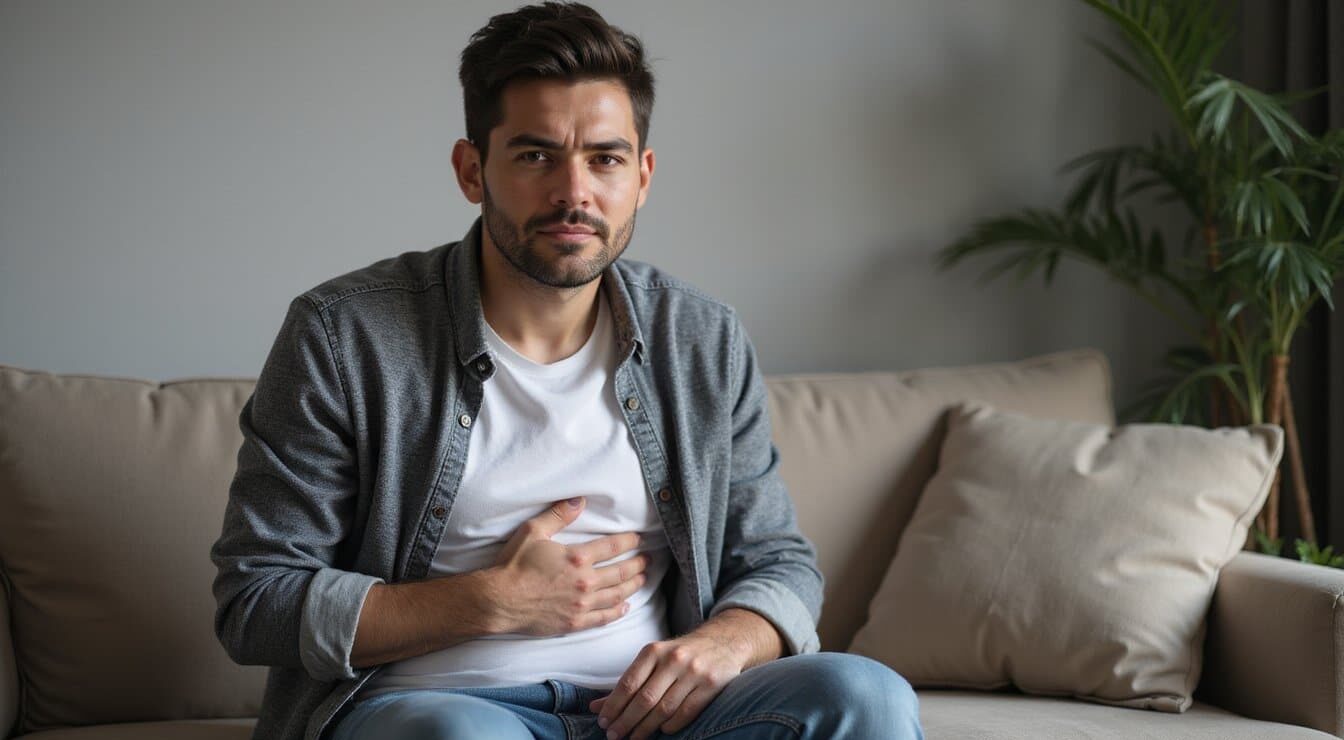
Even if you’ve finished your last dose of Paxlovid, your body may not be ready for alcohol, and certain physical signs can tell you so. Persistent nausea, vomiting, or diarrhea signals your gut hasn’t stabilized, and alcohol will worsen dehydration and electrolyte loss. Dizziness, drowsiness, or brain fog suggests incomplete recovery, adding alcohol increases fall and impairment risk.
Watch for signs of liver stress: yellowing skin or eyes, dark urine, right-sided abdominal pain, or unexplained fatigue. These warrant medical evaluation, not alcohol. Ongoing fever, body aches, shortness of breath, or worsening weakness means your body’s still fighting.
If you’ve experienced severe allergic reactions or your symptoms are intensifying rather than improving, seek clinician guidance before drinking. Medical clearance remains the safest path when recovery feels uncertain.
How to Safely Have Your First Drink After Paxlovid
When you’re ready for your first drink after completing Paxlovid, choose a single low-alcohol option and consume it slowly rather than jumping back into your usual habits. Eating a meal beforehand and staying well-hydrated can reduce the risk of nausea, dizziness, and stomach irritation that both alcohol and residual medication effects may cause. Pay close attention to how your body responds before considering a second serving, since your tolerance may be lower than expected during recovery.
Start Low and Slow
Most medical sources recommend waiting at least 24 to 72 hours after your final Paxlovid dose before having any alcohol, with a 48-to-72-hour window offering a more conservative margin of safety. Once that period has passed, treat your first drink as a trial rather than a return to routine consumption.
Follow these guidelines for a cautious reintroduction:
- Choose one standard drink, a single glass of wine, one beer, or one mixed drink, rather than spirits or multiple servings.
- Sip slowly, a gradual pace helps you monitor for amplified nausea, dizziness, or stomach upset before they escalate.
- Hydrate alongside your drink, water reduces alcohol-related strain and supports recovery.
If lingering side effects are still present, skip the drink entirely.
Monitor Your Body’s Response
After you’ve had that first cautious drink, pay close attention to how your body reacts over the next several hours. Alcohol can amplify Paxlovid-related side effects like nausea, dizziness, diarrhea, and fatigue. If any of these worsen beyond your baseline recovery symptoms, stop drinking immediately. Paxlovid safety guidelines for alcohol should be considered carefully, as combining the two may lead to unpredictable effects.
Watch specifically for signs of liver strain, including yellowing skin or eyes, dark urine, and persistent abdominal pain. Both Paxlovid and alcohol stress the liver, so overlapping effects can compound without obvious early warning signs.
Also monitor your hydration status. Alcohol worsens dehydration, which can intensify headaches and weakness during recovery. If you notice palpitations, unusual flushing, confusion, or near-fainting, these signal poor tolerance and warrant avoiding further alcohol. Persistent or severe symptoms should prompt a conversation with your healthcare provider.
Take the First Step Toward Safer Choices
Mixing alcohol with medications like Paxlovid carries risks that are easy to overlook in the moment, but the right support brings clarity. At Vive Treatment Centers in Washington, DC, our experienced team delivers reliable Alcohol Addiction Treatment with care, compassion, and a personalized approach. Call (202) 506-3490 today and begin a healthier chapter in your life.
Frequently Asked Questions
Can Paxlovid Affect How Quickly Your Body Metabolizes Alcohol?
Current evidence doesn’t show that Paxlovid considerably changes how quickly your body metabolizes alcohol. Alcohol is primarily broken down by enzymes like alcohol dehydrogenase, not the CYP3A pathway that Paxlovid’s ritonavir component inhibits. However, you shouldn’t assume it’s entirely without effect. Ritonavir can strain your liver, and adding alcohol during or shortly after treatment may worsen side effects like nausea and fatigue. It’s best to exercise caution and consult your doctor.
Does Paxlovid Interact With Alcohol-Containing Medications Like Cough Syrup?
Yes, Paxlovid can interact with alcohol-containing medications like cough syrup. The alcohol in these products may increase sedation, dizziness, and impaired judgment during treatment. Other common ingredients, such as dextromethorphan, antihistamines, or acetaminophen, can add further risk. You should check product labels for ethanol or ethyl alcohol before use. It’s best to choose non-alcoholic alternatives and confirm any specific cough syrup’s safety with your pharmacist or prescriber.
Is Non-Alcoholic Beer Safe to Drink While Taking Paxlovid?
Non-alcoholic beer with 0.0% ABV is generally safe during Paxlovid, but you should check the label carefully. Many “non-alcoholic” products still contain trace amounts of ethanol, up to 0.5% ABV. While that’s far less than standard beer, it’s not truly alcohol-free. You’ll also want to watch for carbonation-related bloating or nausea, which can overlap with Paxlovid’s side effects. Choose verified zero-alcohol options for the lowest risk.
Will Drinking Alcohol Reduce Paxlovid’s Effectiveness Against COVID-19?
Drinking alcohol probably won’t directly block Paxlovid’s antiviral activity, but it can still reduce your treatment’s overall effectiveness. Alcohol may impair your body’s ability to absorb or metabolize the medication and increase the chance you’ll miss doses or take them at the wrong time. It can also worsen side effects like nausea and fatigue, making it harder to complete the full course, which is essential for Paxlovid to work properly.
How Long Does Paxlovid Stay Active in Your System After Treatment Ends?
Paxlovid’s components leave your body relatively quickly, nirmatrelvir has a half-life of about 6 hours, and ritonavir’s is roughly 3 to 5 hours. You’ll clear most of the drug within 1 to 2 days after your final dose. However, ritonavir’s inhibition of CYP3A4 enzymes can persist for several days beyond that, meaning your liver won’t metabolize substances normally right away. This lingering enzymatic effect is why caution remains important even after treatment ends.