







White kratom is harvested from the youngest kratom leaves and processed without fermentation, producing higher mitragynine and lower 7-hydroxymitragynine levels than red varieties. You’ll typically notice stimulating effects, energy, focus, and mood elevation, within 10, 30 minutes, lasting 4, 6 hours total. It carries real addiction risk, with 63.5% of regular users meeting lifetime use disorder criteria and withdrawal appearing within 12, 48 hours of stopping. There’s considerably more you should know before deciding whether it’s right for you.
What Is White Kratom, Exactly?
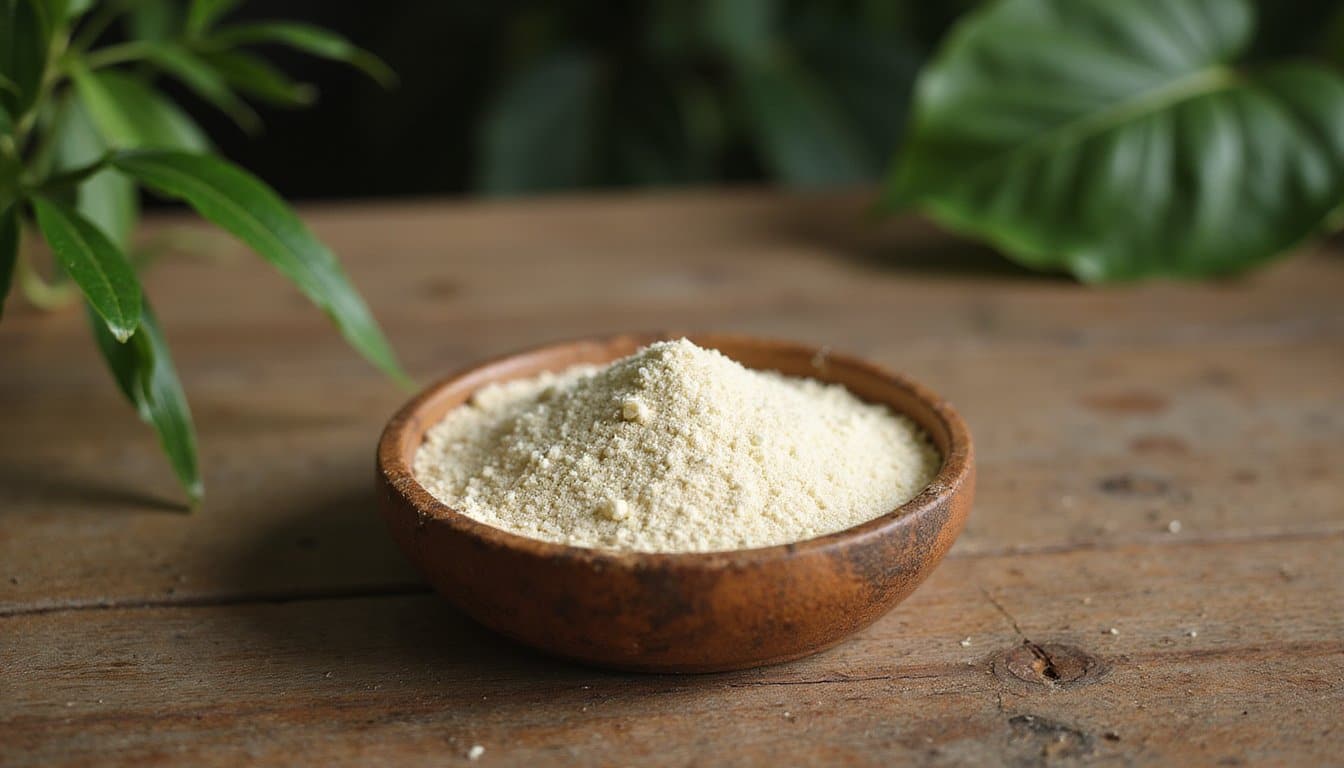
White vein kratom isn’t a genetically distinct strain. It’s the result of specific harvesting timing and processing methods that yield a unique alkaloid profile. That early harvest locks in higher mitragynine concentrations while keeping 7-hydroxymitragynine low, a combination that distinguishes white kratom from the more sedating red varieties. White kratom displays colors ranging from pure white to pale green.
How White Kratom Is Harvested and Processed
Understanding what makes white kratom distinct starts with how it’s made. Farmers harvest white vein kratom from the youngest, most immature leaves of Mitragyna speciosa trees, targeting roughly one year of growth. This early harvesting stage preserves a specific alkaloid profile, including mitragynine concentrations that differ from red or green varieties.
The dry season, running April through October, produces thicker leaves with higher alkaloid density. After harvesting, farmers wash the leaves, then remove stems and veins through manual or mechanical destemming, which concentrates potency by eliminating low-alkaloid material. Unlike red strains, white leaves skip fermentation and go directly to drying, typically indoors in dark rooms. Finally, fully dried leaves are ground into fine powder, and responsible producers then pasteurize the powder to eliminate more than 99% of microbial contamination, completing the process that defines white kratom’s chemical character.
Why White Kratom Stimulates: The Mitragynine Connection
When you consume white kratom, mitragynine, which makes up roughly 60, 66% of the plant’s total alkaloids, acts as the primary driver of its stimulating effects. Mitragynine functions as a partial agonist at mu-opioid receptors, favoring G-protein pathways over beta-arrestin signaling, which produces alertness and mild energy rather than sedation. White kratom contains only trace levels of 7-hydroxymitragynine (up to 2%), meaning mitragynine’s direct receptor activity, including its binding at adrenergic, serotonin, and dopamine receptors, carries most of the responsibility for the stimulation you experience. Despite its stimulating properties, kratom has not been approved by the FDA as safe and effective for any medical use.
Mitragynine Drives White’s Stimulation
Mitragynine, the most abundant alkaloid in kratom leaves, is the primary driver behind white kratom’s stimulating character. It constitutes up to two-thirds of total alkaloid content, with Thai-origin white vein kratom reaching concentrations as high as 66%. Its stimulating action operates through multiple non-opioid pathways, including inhibition of neuronal calcium channels and blockade of hERG-mediated potassium currents, both of which influence neurotransmitter dynamics and action potential duration. Mitragynine also exhibits adrenergic and serotonergic activity, contributing to its dose-dependent stimulant profile. While it converts hepatically to 7‑hydroxymitragynine, typical doses produce insufficient quantities of this metabolite for direct opioid effects. You’re looking at a compound that produces its stimulating output primarily through mechanisms distinct from classical opioid receptor activation.
Opioid Receptor Interaction Explained
How does a compound already described as a stimulant also qualify as a partial opioid agonist? Mitragynine binds the mu opioid receptor (MOR) with a Ki of 161 nM, acting as a partial agonist rather than a full one. That distinction matters. Partial agonism produces ceiling effects, meaning receptor activation plateaus before reaching the intensity associated with classical opioids. Researchers measured its opioid receptor potency using guinea pig ileum twitch contraction assays, confirming its analgesic mechanism operates centrally. Mitragynine’s pD2 value sits at 7.17, making it a weaker opioid agonist than morphine. It also interacts with delta and kappa opioid subtypes, supporting polypharmacological activity. The S-orientation at its C-3 position is structurally critical for maintaining that opioid-agonistic activity.
Low 7-Hydroxymitragynine Levels Matter
Understanding why white kratom stimulates rather than sedates comes down to a single biochemical reality: natural kratom leaf contains almost no 7-hydroxymitragynine (7-HMG). Dried leaf holds only 0.003, 0.04% 7-HMG by weight, while mitragynine dominates at 51, 82% of total alkaloids. That imbalance matters because 7-HMG binds mu-opioid receptors far more potently than morphine, producing sedation and dependency potential. With 7-HMG present at trace levels, white kratom can’t activate those receptors strongly enough to cause significant narcotic effects. Instead, mitragynine drives the experience, correlating with increased respiratory frequency and alertness rather than suppression. Commercial extracts with elevated 7-HMG concentrations reaching 22, 75 mg/g behave pharmacologically like opioids. Natural white kratom doesn’t reach those thresholds, which is why its profile remains stimulating rather than sedating.
White Kratom Effects: Energy, Focus, and Mood Benefits
When you take white kratom at low doses (1, 5 grams), you can expect stimulant-driven effects including heightened alertness, increased physical energy, and sharper focus. Survey data drawn from over 16,000 respondents consistently identifies energy and improved focus as the primary reasons users choose kratom, with daily users reporting measurably better occupational functioning and reduced fatigue. Beyond productivity, white kratom’s alkaloid activity also produces mood-enhancing effects, with preliminary research suggesting antidepressant and empathogenic potential that elevates well-being beyond simple stimulation.
Energy and Focus Benefits
White kratom’s most recognized characteristic is its capacity to boost energy and sharpen focus, making it a practical option for students, professionals, and anyone managing high-demand tasks. White vein kratom interacts with opioid receptors through mitragynine, producing stimulating effects at low to medium doses. If you’re wondering what is white kratom good for, these three benefits define its core value: In addition to enhancing productivity, individuals often report that white kratom effects can help with mood elevation and anxiety reduction. While the stimulating properties are well-documented, it is important to approach its use with caution, as effects can vary significantly depending on the dosage and individual tolerance. This nuanced profile makes white kratom a potentially valuable herbal ally for those seeking a natural way to improve their daily performance.
- Sustained energy, delivers extended physical output comparable to strong coffee, minus the jitteriness.
- Mental clarity, reduces brain fog, sharpening your thinking and problem-solving precision.
- Heightened alertness, counters fatigue and keeps you focused during intensive work or study sessions.
Each white kratom strain varies slightly, so starting at 1, 2 grams lets you gauge your individual cognitive and energetic response accurately.
Mood and Motivation Boost
Beyond sharpening your focus and energy, white kratom delivers a measurable mood lift that users consistently rank among its most valued effects. White vein kratom reduces irritability, promotes a positive outlook, and supports motivation for daily obligations without causing impairment.
| Effect | White Strains of Kratom | User Benefit |
|---|---|---|
| Mood Enhancement | Reduces irritability | Positive daily outlook |
| Motivational Boost | Increases productivity drive | Task completion support |
| Euphoric Uplift | Subtle dreamy euphoria | Uplifting without a high |
| Social Enjoyment | Increases talkativeness | Improved social interactions |
| Daily Uplift | Supports routine functioning | Mental health symptom relief |
Each kratom white strain targets proximal motivations like energy and mood elevation. Users report mood scores above 0.50 on standardized scales, confirming white strains of kratom as reliable daily mood and motivation tools.
How Long Do White Kratom Effects Last?
For most users, white kratom’s effects begin within 10, 30 minutes of ingestion, though an empty stomach can accelerate onset to as little as 5, 15 minutes. Understanding kratom white vein timing helps you manage expectations around what is white kratom used for in daily contexts.
Here’s how the timeline typically unfolds:
- Peak effects arrive 1, 2 hours after consumption, with stimulant characteristics most pronounced during this window.
- The peak phase sustains for 2, 4 hours, reflecting what is white vein kratom known for, extended alertness and energy.
- Total duration spans 4, 6 hours, with complete return to baseline occurring around 6, 8 hours post-ingestion.
Food intake, capsule versus powder form, metabolism, and dosage all directly influence how long effects persist. Food intake, capsule versus powder form, metabolism, and dosage all directly influence how long effects persist, which also shapes how long do the effects of shroom gummies last since gummy formulations alter absorption dynamics.
White vs. Green vs. Red Kratom: Effects, Potency, and Duration
When comparing white, green, and red kratom, you’ll find that each category delivers a distinct effect profile rooted in its unique alkaloid composition. White strains rank as the most potent and stimulating, offering heightened alertness, mood enhancement, and focus, while green strains deliver a moderate middle-ground balance of mental and physical support, and red strains lean toward sedation and extended relaxation lasting up to 10 hours in some varieties. Understanding these differences helps you select the strain that aligns with your specific goals, whether that’s energy and concentration or calm and rest.
Comparing Effects and Potency
Kratom’s three main vein types, white, green, and red, each carry a distinct alkaloid profile that shapes how they affect your body and mind. White strains contain the highest mitragynine concentrations, producing strong stimulation and sharp mental focus. Green strains offer moderate alkaloid balance, delivering mild energy without sedation. Red strains shift toward elevated 7-hydroxymitragynine, prioritizing relaxation and discomfort relief over cognitive performance.
Potency rankings follow a clear pattern:
- White vein, strongest for mental tasks, alertness, and motivation
- Green vein, moderate, balanced output suitable across various demands
- Red vein, lowest stimulation, highest sedative and calming potential
You’ll want to match your vein choice directly to your intended outcome, since each type targets a fundamentally different physiological response.
Duration and Relaxation Differences
How long a strain lasts matters just as much as what it does. White vein kratom effects last 2, 3 hours, making them the shortest among the three vein types. Green vein extends that window to 3, 5 hours, while red vein delivers the longest duration at 5, 6 hours, reaching up to 7 hours at high doses. Because white wears off fastest, you’ll need more frequent dosing than red requires.
Relaxation profiles differ just as sharply. White provides zero relaxation, keeping your experience purely stimulating. Green balances moderate relaxation without drowsiness. Red delivers heavy relaxation and sedation at higher doses, making it better suited for evening use. If you’re choosing between strains, duration and relaxation potential are two variables you can’t afford to ignore.
Is White Kratom the Strongest Strain?
White kratom stands out as one of the most stimulating vein categories, but whether it’s the “strongest” depends on how you define strength. If you’re measuring energy and focus, white strains rank highest. If you’re measuring raw alkaloid potency, White Maeng Da leads the category.
Three key facts support this ranking:
- White Maeng Da contains the highest mitragynine concentration among white varieties, delivering sharp, “pushy” energy.
- Enhanced whites like Rogue Rhino White reach 2.20, 2.50% mitragynine, exceeding standard strains.
- White Maeng Da outperforms White Borneo at equivalent doses, though Borneo offers a smoother experience for beginners.
Alkaloid profile drives strength, not vein color alone. Start with a low dose when trying potent whites to gauge your individual response accurately.
White Kratom Overstimulation: Warning Signs to Recognize

Because white kratom strains carry the strongest stimulant profile in the kratom category, overstimulation is a real risk you should recognize early. Your cardiovascular system often signals trouble first, watch for tachycardia, elevated blood pressure, and abnormal heartbeat patterns, particularly at higher doses.
Neurologically, you may notice jitteriness, tremors, anxiety, and restlessness. In severe cases, hallucinations and seizures have been reported. These aren’t minor inconveniences; they’re clinical warning signs. can tonsillitis be caused by smoking weed? This question arises among many users who may experience throat irritation and discomfort.
Behaviorally, overstimulation can shift alertness into insomnia, trigger mood swings, erratic behavior, and panic attacks. Gastrointestinal responses like nausea, vomiting, and abdominal cramping frequently accompany these episodes.
Respiratory signs deserve particular attention. A breathing rate below 12 breaths per minute, oxygen saturation dropping to 92%, and rebound hypoxia within 12, 24 hours all indicate serious toxicity requiring immediate medical attention.
Can White Kratom Cause Dependence?
Overstimulation isn’t the only risk that demands your attention, dependence is an equally serious concern with white kratom. Research shows 63.5% of regular users meet lifetime kratom use disorder criteria, and 55% develop physical dependence. Three patterns consistently emerge:
- Tolerance builds with frequent use, reported by 35.2% of users
- Craving becomes the primary withdrawal symptom, with odds increasing at OR=1.38 per frequency increment
- Withdrawal symptoms appear within 12, 48 hours after cessation, with SOWS scores averaging 13.5
Your sex and dosing frequency directly influence your risk. Men experience more withdrawal symptoms and higher KUD symptom counts than women. However, compared to opioids, kratom dependence produces minimal functional impairment, it’s still dependency, but with a different interference profile.
Who Should Use White Kratom (And Who Shouldn’t)?
Knowing whether white kratom suits your situation requires weighing the evidence across specific use cases and individual risk factors. If you’re seeking sustained energy, mental clarity, or mild pain relief without sedation, white kratom’s stimulant properties at low doses (1, 5 grams) may align with your goals. Users managing fatigue, concentration demands, or moving away from opioids report meaningful benefits in survey data.
However, you should avoid white kratom if you have underlying cardiovascular conditions, a history of substance dependence, anxiety disorders, or pregnancy. The FDA hasn’t approved kratom for any medical use, and regular consumption carries real addiction and withdrawal risks. If you’re currently prescribed medications, the potential for interactions makes consultation with a healthcare provider essential before considering white kratom.
Take the First Step Toward Recovery Today
Frequently Asked Questions
What Are the Most Popular White Kratom Strains Available Today?
The most popular white kratom strains you’ll find today include White Vein Borneo, White Vein Maeng Da, White Vein Sumatra, and Horned White Vein. Each offers distinct alkaloid profiles based on its regional origin. White Borneo’s highly rated for daytime productivity, Maeng Da’s recognized for potency, Sumatra delivers euphoric energy at an affordable price, and Horned White Vein provides smoother, faster-onset focus from rare Kalimantan leaves.
How Does White Kratom Interact With Prescription Medications or Supplements?
White kratom can dramatically interact with your prescription medications through several pathways. It inhibits CYP2D6 and CYP3A enzymes, slowing the breakdown of drugs like midazolam, venlafaxine, and warfarin, increasing their concentrations and side effects. If you’re taking benzodiazepines, antidepressants, or opioids, you’re facing high-risk additive CNS depression. Blood pressure medications and blood thinners also carry serious interaction risks. Always consult your doctor before combining white kratom with any medication.
What Is the Recommended Dosage for Beginners Trying White Kratom?
If you’re new to white kratom, start with 0.5, 1.5 grams of powder, or 2, 3 capsules (1, 1.5 grams). White strains carry higher stimulating potency, so starting low matters. Wait at least one hour before considering any adjustment, then increase in 0.5-gram increments if needed. You’ll find that 1, 2 grams delivers gentle energy, while 2, 4 grams supports mental clarity. Don’t exceed 8 grams per dose.
Can White Kratom Be Mixed or Blended With Other Kratom Varieties?
Yes, you can blend white kratom with other varieties to create customized alkaloid profiles. Mixing white with red enhances both energy and pain relief simultaneously, while combining white with green improves focus and relaxation. Popular blends include White Maeng Da and Digital Buddha, which merge red, white, and green strains. However, you should be cautious about adding too much white, as excessive mitragynine content risks overstimulation depending on your individual composition ratios.
How Should White Kratom Powder Be Stored to Maintain Potency?
Store your white kratom powder in an airtight glass jar with a rubber-sealed lid, kept at a stable 20-25°C away from heat and direct sunlight. You’ll want to place desiccant packs inside to control moisture and prevent clumping. Avoid refrigerators, as condensation degrades alkaloid potency. Label each container with the strain name and storage date, and always use clean utensils to minimize contamination during handling.