


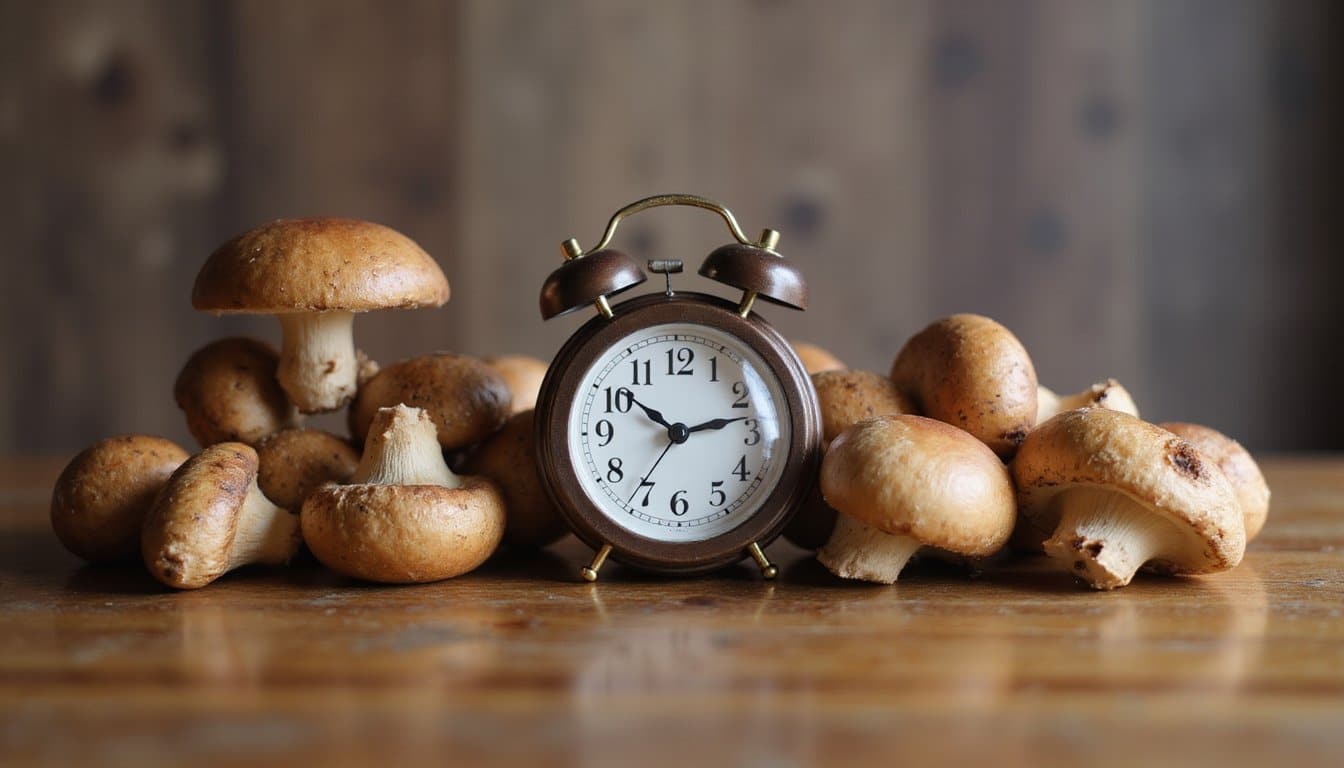

A mushroom trip typically lasts 4 to 6 hours, though higher doses can stretch the experience to 8 hours. You’ll move through three distinct stages: an onset phase lasting up to 40 minutes, a peak phase running from 90 minutes to 3 hours, and a gradual comedown that resolves most acute effects by hour 8. Afterglow effects can persist into the following day. Each stage carries its own measurable psychological and physiological signatures worth understanding before you go in. A mushroom trip typically lasts 4 to 6 hours, though higher doses can stretch the experience to 8 hours, which often leads people to ask how long do shroom side effects last as they progress through each phase. You’ll move through three distinct stages: an onset phase lasting up to 40 minutes, a peak phase running from 90 minutes to 3 hours, and a gradual comedown that resolves most acute effects by hour 8. Afterglow effects can persist into the following day, and each stage carries its own measurable psychological and physiological signatures worth understanding before you go in.
How Long Does a Mushroom Trip Actually Last?
A typical mushroom trip unfolds across 4 to 6 hours, though higher doses can stretch this window to 8 hours. Understanding the mushroom trip timeline helps you anticipate what’s coming at each stage.
The shroom trip phases follow a consistent pattern. You’ll move through onset, build-up, peak, and comedown psilocybin stages in a predictable sequence. Low doses of 1, 2g typically resolve within 3, 4 hours, while higher doses extend effects to 6, 8 hours as psilocin requires longer clearance time.
Most people return to baseline function around the 6-hour mark. The psilocybin trip stages don’t end abruptly, though. Afterglow effects including emotional relief, mental clarity, or residual euphoria can persist into the following day before full baseline returns within 24 hours. Once the experience concludes, effects decline unidirectionally, meaning the high will not return after it has ended.
What Makes Your Trip Duration Shorter or Longer?
Your body weight and the dose you take directly shape how long psilocybin stays active in your system, with higher doses compounding in the body and slowing clearance. Your metabolic rate further determines how quickly psilocin, the active compound, gets processed, since a faster metabolism shortens both onset and total duration while a slower one extends them. What you’ve eaten before dosing also matters, as an empty stomach accelerates absorption and tightens the timeline, while a full stomach delays the peak and stretches the overall experience. The whole experience generally lasts anywhere from six to eight hours, meaning factors that slow your metabolism or increase your dose can push you toward the longer end of that range.
Dosage and Body Weight
When considering what shapes the duration and intensity of a psilocybin experience, many people assume body weight plays a decisive role, but research suggests otherwise. Studies analyzing 288 participants across ten trials found no statistically significant relationship between body weight and subjective effects, even across a 49, 113 kg range.
Whether you received weight-adjusted dosing or a fixed absolute dose, MEQ30 scores remained consistently high, 70.7 and 70.1 respectively. Your body weight doesn’t meaningfully alter how psilocin interacts with serotonin receptors or how intensely you’ll experience the trip.
What does matter is absolute dose. At 20 mg, mystical experiences become possible. At 30 mg/70 kg, effects strengthen further. Dosage threshold, not your body mass, is the primary variable shaping your experience’s intensity and arc. Fixed dosing has been identified as a more practical and cost-effective approach for psilocybin pharmacotherapy without sacrificing therapeutic outcomes. What does matter is absolute dose. At 20 mg, mystical experiences become possible, and at 30 mg/70 kg, effects strengthen further, reinforcing that dosage threshold, not your body mass, is the primary variable shaping your experience’s intensity and arc. While this differs from substances like white vein kratom strains, where alkaloid profiles vary by type, fixed dosing has been identified as a more practical and cost-effective approach for psilocybin pharmacotherapy without sacrificing therapeutic outcomes.
Metabolism and Stomach Contents
Once consumed, psilocybin converts rapidly to its active form, psilocin, through dephosphorylation in the intestine and liver, but how quickly that conversion reaches your bloodstream depends heavily on what’s already in your stomach.
Empty stomach acceleration shortens onset to roughly 20, 40 minutes, with plasma psilocin detectable within 15, 30 minutes. Without competing gastric contents, digestive resources allocate faster, and hepatic conversion proceeds more efficiently. You’ll notice subtle early signals, enhanced color saturation, mild sensory shifts, indicating your CNS has crossed the threshold.
A full stomach extends onset to 60 minutes or longer. Food slows gastrointestinal transit, delays hepatic dephosphorylation, and prolongs the time to peak plasma levels. Slower absorption also correlates with an extended overall trip duration, effectively stretching your timeline from onset through comedown.
What Happens in the First 40 Minutes of a Mushroom Trip?
The first 40 minutes of a psilocybin experience mark the onset phase, during which the body converts psilocybin into psilocin through digestion. Before psilocybin peak effects emerge, you’ll notice early signals indicating absorption is underway:
The first 40 minutes of a psilocybin experience represent the onset phase, as the body converts psilocybin into psilocin.
- Physical sensations: Mild nausea, temperature fluctuations, and limb heaviness or lightness appear within 0, 30 minutes
- Perceptual shifts: Colors brighten and sounds intensify between 20, 40 minutes
- Mental changes: Thoughts slow or become associative, with mild anxiety possible from shifting perception
- Mood alterations: Emotional amplification begins subtly alongside heightened sensory awareness
These changes build gradually rather than arriving abruptly. On an empty stomach, initial sensations typically surface around 20, 30 minutes. Avoid redosing during this window, as effects haven’t yet reached their full trajectory.
When Mushroom Trip Effects Start Getting Intense
Between 30 and 60 minutes after ingestion, effects shift from subtle to noticeably stronger. You’ll likely notice enhanced color saturation, mild nausea, and increased somatic awareness during this window. These changes reflect rising psilocin levels as serotonin 5‑HT2A receptor activation intensifies throughout the brain.
Several variables shape how quickly this intensification unfolds. An empty stomach accelerates absorption, while food delays it. Your metabolic rate and the dose you’ve taken both influence the speed and strength of this build-up phase.
What to Expect During the Peak Phase?
As those intensifying effects from the first hour crest into something unmistakable, you’re entering the peak phase, typically occurring 90 minutes to 3 hours post-ingestion and lasting 1 to 3 hours depending on dose, metabolism, and mushroom potency. Among the magic mushroom trip stages, the peak is the most physiologically and psychologically demanding. Expect:
- Visual distortions, colors warp, patterns shift, and both open- and closed-eye imagery intensify greatly
- Emotional surges, euphoria or anxiety heightens sharply alongside deep introspective states
- Cognitive alterations, time perception stretches or compresses; ego dissolution may occur
- Physical effects, elevated heart rate, dilated pupils, and impaired coordination peak concurrently
These effects don’t unfold randomly. Each dimension intensifies in measurable alignment with psilocin’s interaction with serotonin receptors.
How the Mushroom Trip Comedown Feels
Once the peak subsides, typically around the 4-hour mark, you’ll notice effects tapering measurably rather than stopping abruptly. With psilocybe cubensis, acute effects generally resolve within 8 hours, though visual distortions may persist while mental clarity begins returning.
Physically, fatigue and mental exhaustion emerge as body tingles and warmth gradually subside. Nausea or restlessness typically ease following peak intensity. Emotionally, you’ll likely experience rawness, low mood, or emotional flatness during this taper period.
Cognitively, brain fog and concentration difficulties can persist 0, 3 days. Intrusive thoughts or mild time distortion may surface 1, 3 days post-ingestion. Residual mood shifts, insomnia, and emotional sensitivity can extend into the following day. Full cognitive and emotional normalization typically occurs within days to two weeks depending on usage frequency.
What the Afterglow Phase Actually Feels Like

After the comedown concludes, you typically enter the afterglow phase, where calm mental clarity replaces the cognitive turbulence of the peak and descent. You may notice lingering emotional shifts that feel more grounded than acute, subtle elevations in mood, empathy, or sense of connection that persist without the intensity of active psychedelic effects. These next-day residual effects can extend from 24 hours to several weeks, with research identifying the 3, 14 day window as the period of most consistent psychological benefit.
Calm Mental Clarity Returns
When the acute effects of psilocybin subside, a distinct phase called the afterglow begins settling in, typically around hours six through eight post-ingestion. Within the psychedelic experience timeline, this progression marks a measurable cognitive shift rather than simple sobriety. How long does it take for shrooms to kick in can vary depending on several factors, including the individual’s metabolism and the dosage consumed. Typically, the onset of effects is felt within 20 to 60 minutes after ingestion. As users begin to experience the altered state, feelings of euphoria, visual distortions, and enhanced emotional sensitivity often emerge.
You’ll likely notice:
- Enhanced alertness replacing the intensity of peak distortions
- Emotional clarity emerging as serotonin receptors begin normalizing
- Time perception returning alongside subsiding sensory effects
- Calm reflective focus with amplified but stabilized mood
Most people reach full baseline restoration within eight hours, though this state remains distinct from ordinary wakefulness. Your thoughts feel organized and accessible rather than fragmented. This mental clarity isn’t residual intoxication, it’s a documented neurological shift as your brain processes the session’s psychological content.
Lingering Emotional Shifts
Beyond the restored cognitive clarity of the afterglow’s early hours, you’ll notice something more emotionally textured settling in, a phase defined less by sharp mental organization and more by sustained shifts in how you feel. Contentment, gratitude, and relief tend to emerge during this transition, persisting for roughly 6, 12 hours post-trip. Emotional release from the peak frequently amplifies into reflective openness, with heightened empathy and prosocial connectedness carrying forward. Reduced anxiety and depression characterize the subacute period, consistently observed across clinical trials and observational data within 3, 14 days following use. Dosage, metabolism, and set and setting influence how pronounced these shifts become. Positive trip outcomes correlate with stronger lingering euphoria, while difficult experiences may leave residual anxiety that gradually resolves alongside the broader emotional stabilization.
Next-Day Residual Effects
As the most intense psychedelic effects resolve, you enter a distinct shift spanning roughly 12, 24 hours post-ingestion where subtle but measurable residuals persist. Most compounds clear your system within this window, with 66% excreted in the first three hours and urine returning clean by hour 24.
You may notice a combination of the following residuals:
- Cognitive clarity or emotional relief persisting into the following day
- Mental fatigue or drowsiness emerging 6, 8 hours post-ingestion
- Enhanced mood or empathy lasting days or weeks in some cases
- Physical discomforts including headaches, nausea, or briefly elevated body temperature
Dosage, metabolism, and your mental state during the experience directly shape which residuals you encounter and how intensely you feel them.
Help Is One Call Away
If Psilocybin addiction is taking over your life, you don’t have to face it alone. At Vive Treatment Centers, we provide trusted Psilocybin Addiction Treatment and a flexible Intensive Outpatient Program (IOP) built to support your recovery every step of the way. Call (202) 506-3490 today and take the first step toward a healthier life.
Frequently Asked Questions
Can You Redose Mushrooms if Effects Seem Too Weak or Delayed?
You can redose, but it carries significant risks. Wait 30 to 60 minutes after your initial dose before considering an additional amount. Tolerance builds rapidly, meaning you’ll likely experience diminishing returns. If effects seem delayed, they may simply be slow to absorb, redosing too early can trigger an unexpectedly intense experience. Keep your redose small, and avoid it entirely if you have a history of psychosis or bipolar disorder.
Is It Safe to Sleep During or After a Mushroom Trip?
Sleeping during a peak is unsafe, you’re facing intense hallucinations, disorientation, and emotional surges that prevent natural sleep onset and may trigger panic. However, once you’ve moved through the comedown phase, sleep becomes generally viable. You’ll likely feel mentally fatigued as effects diminish, making rest easier. Stay hydrated, maintain a calm environment, and allow 6, 8 hours post-consumption before attempting sleep to minimize lingering effect interruptions.
How Does Set and Setting Influence the Overall Mushroom Trip Experience?
Your mindset and environment directly shape how a psilocybin experience unfolds across every stage. Your psychological preparation, intentions, and expectations influence emotional and perceptual responses, while physical surroundings, lighting, music, and social support, modulate intensity and quality. Research indicates overtone-based music elevates mystical experience scores compared to Western classical music. Greater preparation and post-session support correlate with sustained wellbeing improvements. Laboratory settings with sterile stimuli tend to increase negative reactions, confirming that extrapharmacological factors meaningfully determine outcomes.
What Should Someone Do if a Mushroom Trip Becomes Overwhelming?
If a mushroom trip becomes overwhelming, you should immediately move to a calm, quiet, familiar space. Dim the lights, remove hazards, and avoid intense visuals. Practice deep breathing and focus on physical sensations to ground yourself. Remind yourself that effects peak at two to four hours and will fade. Stay with a sober trip sitter, hydrate slowly, and seek emergency medical attention if you experience seizures, severe paranoia, or cardiac symptoms.
Can Mushrooms Be Combined Safely With Other Substances or Medications?
Combining mushrooms with other substances carries significant risks you shouldn’t overlook. SSRIs can trigger potentially fatal serotonin syndrome. Stimulants like amphetamines raise your heart rate, increasing seizure and heart attack risk. Lithium heightens seizure probability. Antipsychotics alter or diminish your experience unpredictably. Even marijuana, commonly mixed by users, can intensify overwhelming effects. Benzodiazepines can reduce effects if needed emergently. You should consult a healthcare provider before combining psilocybin with any medication.