







Meth is dangerous because it hijacks your brain’s reward system and physically damages its structure. It can destroy up to 50% of your dopamine-producing cells, disrupting your mood, memory, and impulse control. You’ll face serious cardiovascular risks, including stroke, heart attack, and seizures. Meth can also trigger paranoia, hallucinations, and deep depression. Over time, it damages your teeth, immune system, and relationships. Understanding how meth affects each part of your life reveals why recovery matters.
Key Takeaways
- Meth floods the brain with dopamine, creating intense but short-lived euphoria that drives rapid addiction and escalating tolerance.
- Chronic use can destroy up to 50% of dopamine-producing brain cells, impairing pleasure, mood, memory, and impulse control.
- Meth spikes heart rate and blood pressure, raising the risk of stroke, heart attack, seizures, and respiratory failure.
- The drug can trigger paranoia, hallucinations, aggression, and severe depression, alongside withdrawal symptoms lasting months.
- Long-term damage includes “meth mouth,” weakened immunity, Parkinson’s risk, and lasting cognitive impairment that makes recovery difficult.
What is methamphetamine and why is it so dangerous

Methamphetamine is a synthetic stimulant that hijacks your brain’s reward system, flooding it with dopamine to produce an intense, short-lived euphoria. That rush ends quickly, driving you to use again and again. Because tolerance builds rapidly, you’ll need higher doses to feel the same effect, which accelerates dependence. This cycle explains why meth carries such high addiction potential and why it’s classified as a Schedule II drug.
The danger runs deeper than addiction. Even a single use can spike your heart rate and blood pressure dangerously, raising your risk of stroke, heart attack, or seizures. Over time, meth depletes your dopamine and serotonin nerve cells, disrupting your brain’s chemistry. Recognizing meth’s grip is the first step toward protecting yourself.
How does meth affect the brain
Meth physically damages your brain’s structure and disrupts its chemistry. Chronic use destroys up to 50% of your dopamine-producing brain cells, and over time it notably depletes both dopamine and serotonin nerve cells. This neurochemical loss affects how you feel pleasure, regulate mood, and control impulses.
The structural deterioration resembles what doctors see in Alzheimer’s disease, epilepsy, and stroke. As a result, you may experience memory loss, confusion, and impaired judgment, symptoms that can persist long after you stop using. This neurological degradation also raises your risk for Parkinson’s disease.
Perhaps most distressing, chronic misuse can trigger psychosis, hallucinations, and delusions. These aren’t character flaws. They’re direct consequences of brain injury. Understanding this damage helps explain why recovery takes time and support.
Why is meth so highly addictive
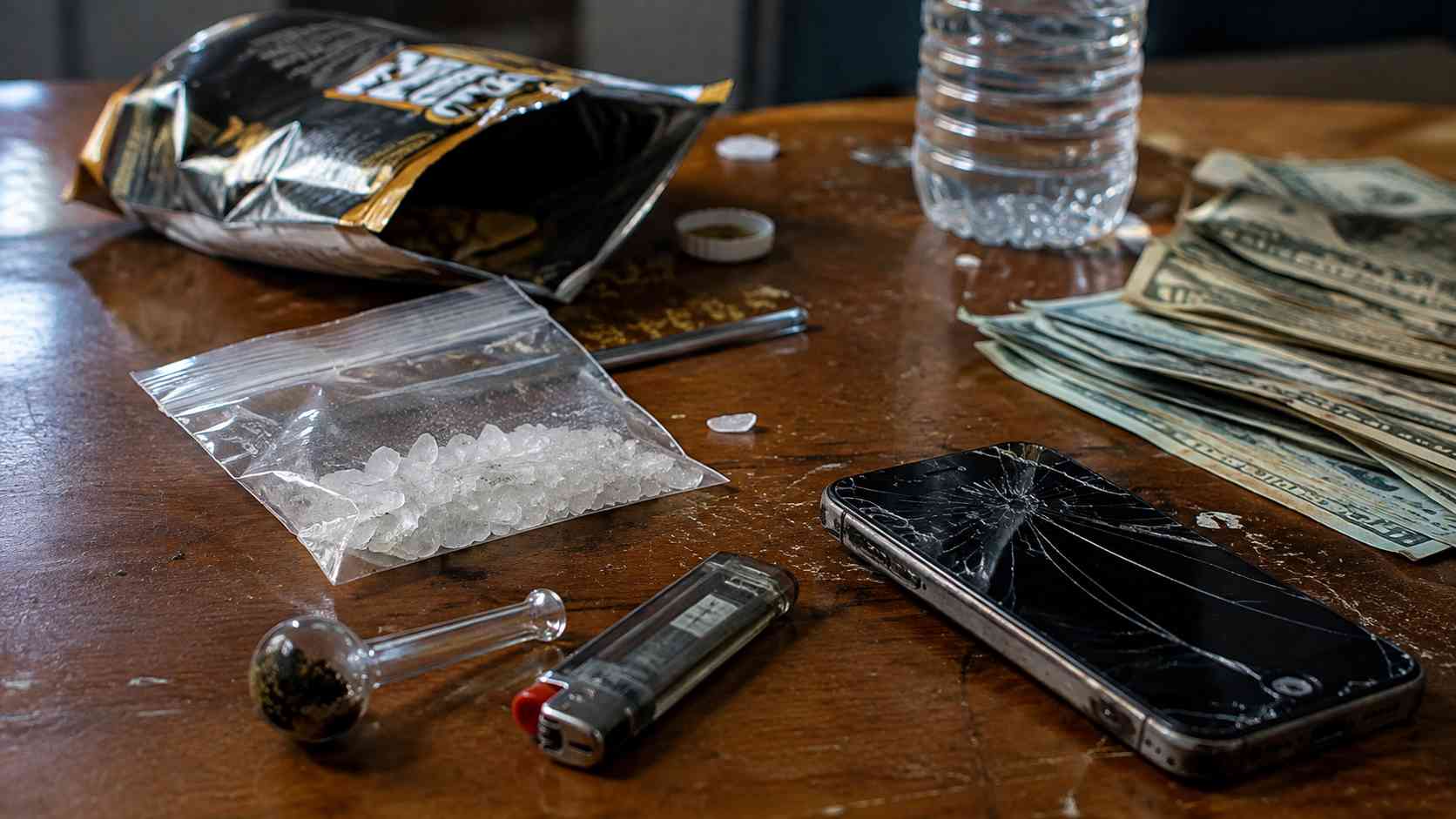
Meth is so highly addictive because it hijacks your brain’s reward system with brutal efficiency. When you use it, your brain floods with dopamine, producing intense euphoria, a “rush” far beyond what natural rewards deliver. But that high ends quickly, driving you to use again to recapture it.
This cycle comes at a cost. Over time, meth depletes your dopamine and serotonin nerve cells, so your brain can’t produce pleasure normally. You need the drug just to feel okay, and tolerance builds rapidly, forcing you to take higher doses for the same effect.
That’s why severe psychological dependence takes hold, making it incredibly hard to stop. Withdrawal symptoms, exhaustion, confusion, and irritability, can last months. If you’re struggling with this, understand you’re facing a powerful neurochemical trap, not a failure of willpower.
What are the overdose and cardiovascular risks
Meth poses serious overdose and cardiovascular risks. Your heart races, your rhythm turns irregular, and your blood pressure can spike dangerously. These surges may trigger a stroke or heart attack, and in high doses, intracranial bleeding or seizures.
| Cardiovascular Risk | Overdose Symptom |
|---|---|
| Rapid, irregular heartbeat | Chest pain |
| Severe blood pressure spike | Respiratory failure |
| Stroke or heart attack | Hyperthermia |
Overdose, sometimes called “overamping,” can bring kidney damage, body overheating, and death, especially during physical activity. Your risk climbs sharply if you mix meth with opioids or other substances, since combining drugs masks warning signs and increases lethality.
Recognizing these dangers matters. If you or someone you know shows these symptoms, seeking emergency care quickly can save a life.
How does meth use affect mental health

Meth damages your mental health severely, often before your body shows visible damage. Shortly after initial use, you may notice paranoia, anxiety, and aggression taking hold. With continued use, you’ll likely face severe mood swings, deepening depression, and a flat, hollow apathy that makes daily life feel impossible. Chronic high-dose intake can trigger visual and auditory hallucinations, leaving you unsure what’s real.
Meth also creates severe psychological dependence, so stopping abruptly feels overwhelming. Even when you quit, withdrawal symptoms like exhaustion, confusion, and irritability can linger for months, testing your resolve.
If you’re experiencing these effects, know they reflect meth’s impact on your brain chemistry, not personal weakness. Recognizing these changes early gives you a stronger foundation for seeking support and recovery.
What are the social and long-term consequences
Meth’s social and long-term consequences erode your health, relationships, and stability over time. Chronic use can damage up to 50% of your dopamine-producing brain cells, leaving your brain structure deteriorating in ways similar to Alzheimer’s, epilepsy, and stroke. You may face memory loss, impaired judgment, and a heightened risk for Parkinson’s disease. Physically, you might notice “meth mouth,” severe tooth decay and gum disease, alongside skin abscesses, extreme weight loss, and a weakened immune system. If you inject, you’re at greater risk for hepatitis C, HIV, and dangerous infections in your heart, bones, and blood. Recovery is difficult, but understanding these risks is an important first step.
How Vive Treatment Centers helps people recover from meth use
Vive Treatment Centers helps people recover from meth use by meeting you where you are in that process. Because meth causes significant neurochemical disruption, depleting dopamine and serotonin, your recovery starts with medically supervised care that addresses withdrawal symptoms like exhaustion, confusion, and irritability, which can persist for months. You’ll receive evidence-based therapies that target the psychological dependence, paranoia, and mood disturbances tied to chronic use. Vive’s clinicians also help you rebuild the neurological and physical health that meth erodes, coordinating support for dental, dermatological, and nutritional decline. If you’re managing co-occurring conditions or infectious disease risks from injection use, integrated care ensures nothing goes untreated. You don’t have to navigate this alone. Vive provides the structure, compassion, and clinical expertise your recovery requires.
Meth Use Can Damage Your Health Fast. Start Treatment Now.
Methamphetamine can affect the brain, heart, mental health, sleep, and ability to function, while repeated use can make stopping increasingly difficult. Vive Treatment Centers provides dedicated methamphetamine addiction treatment in Washington, DC, with outpatient care focused on cravings, withdrawal challenges, relapse prevention, and co-occurring mental health symptoms.
Call (202) 506-3490 today or verify your insurance to find the right level of care and start recovery.
Frequently Asked Questions
How Long Does Methamphetamine Stay in Your System?
Methamphetamine detection times vary based on the type of drug test, amount used, frequency of use, metabolism, and other individual factors. Because testing windows differ between urine, blood, saliva, and hair testing, there is no single detection period that applies to everyone. Drug testing should also be interpreted in context rather than used alone to assess stimulant use or recovery needs.
Can Meth-Related Dental and Skin Damage Be Reversed?
Some meth-related skin problems may improve after meth use stops and the underlying wounds or infections are treated. Dental damage can be more permanent. Severe tooth decay, gum disease, and broken teeth generally require professional dental treatment rather than healing on their own. Stimulant use disorder can cause significant dental, nutritional, and other long-term health complications, so early medical and dental evaluation is important.
What Are the Risks of Injecting Meth Versus Smoking It?
Both injecting and smoking methamphetamine carry serious health and addiction risks. Injection adds the risk of HIV, viral hepatitis, skin and bloodstream infections, and infective endocarditis, especially when injection equipment is shared or contaminated. Smoking avoids injection-related infections but still exposes the body to meth’s cardiovascular, psychiatric, neurological, and addiction-related effects. Illicit stimulants may also be contaminated with fentanyl or other substances, increasing overdose risk regardless of how meth is used.
How Long Do Meth Withdrawal Symptoms Typically Last?
Meth withdrawal symptoms often begin within the first several days after stopping and can include fatigue, increased sleep, depressed mood, irritability, cravings, increased appetite, and difficulty concentrating. The initial withdrawal period commonly lasts about one to two weeks, although cravings, mood changes, sleep problems, and other symptoms may persist longer for some people. The duration depends on factors such as frequency and amount of meth use, overall health, and co-occurring mental health conditions.
Is It Safe to Detox From Meth at Home?
Some people can be managed in an outpatient setting, but meth withdrawal should not automatically be treated as a do-it-yourself detox. A clinical assessment is important because stimulant withdrawal can involve severe depression, agitation, psychiatric symptoms, cardiovascular concerns, or risk of harm to yourself or others. Current guidance recommends evaluating withdrawal severity, vital signs, mental health, and safety needs to determine whether outpatient treatment or a higher level of care is appropriate.