






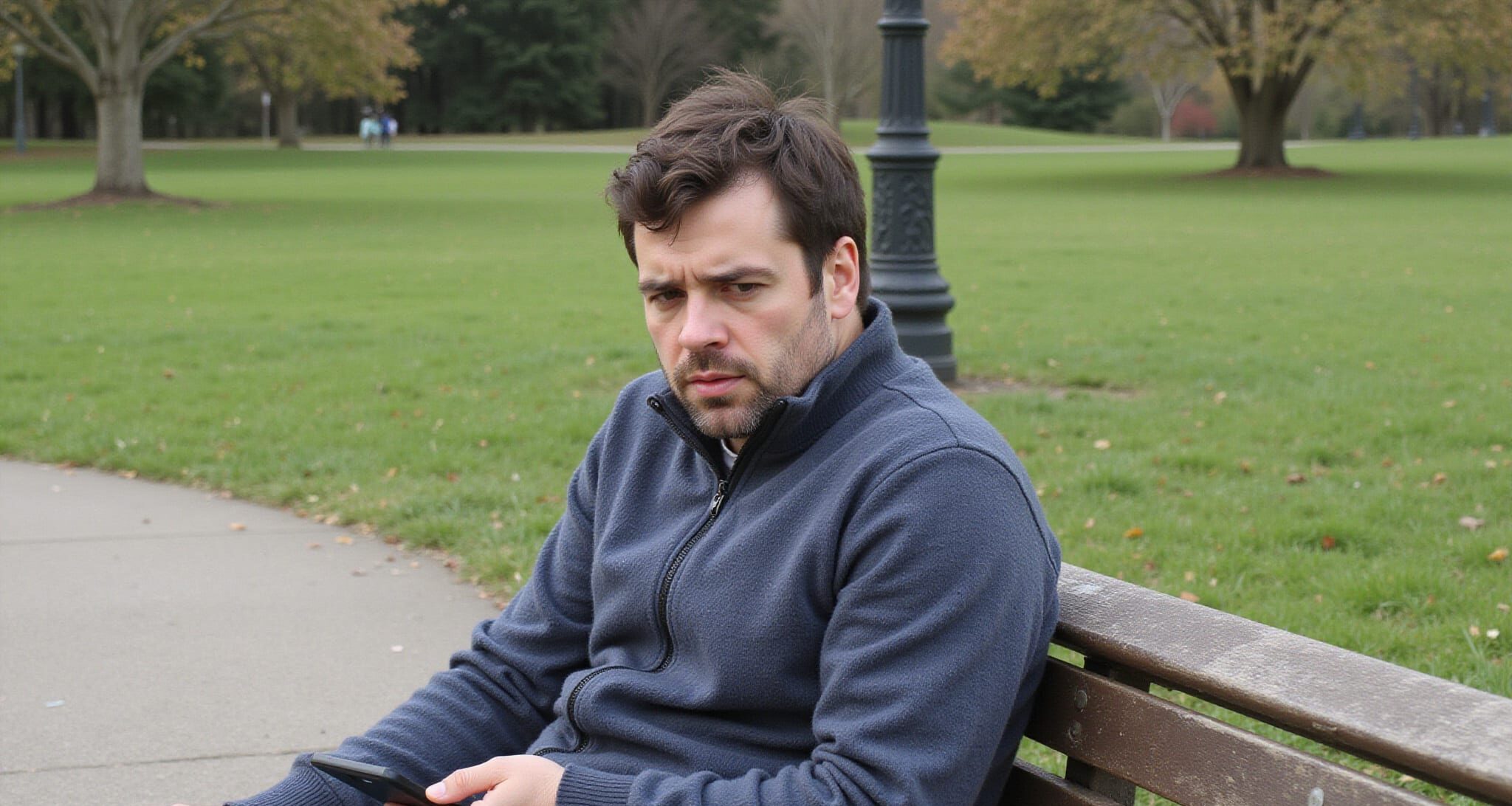



Trauma bond withdrawal often feels like intense longing, guilt, and confusion. You might crave a call or text even though you know they hurt you. That’s because cycles of harm and affection trained your brain to seek relief from the same person. You may replay memories, doubt yourself, lose sleep, or carry tension in your body. None of this means you’re weak or failing. Understanding why it happens can help you move through it safely.
Key Takeaways
- Trauma bond withdrawal often brings intense longing and urges to contact your ex, even when you know the relationship caused harm.
- Cognitive dissonance, guilt, and self-doubt can surface as affectionate memories clash with memories of abuse or gaslighting.
- Intrusive thoughts, idealization, and grief for the hoped-for relationship can cause confusion about what was real.
- Physical symptoms may include disrupted sleep, fatigue, appetite changes, headaches, nightmares, and muscle tension from ongoing stress.
- Withdrawal has no fixed timeline, and returning cravings don’t mean failure or that going back is safe.
What does trauma bond withdrawal feel like

Trauma bond withdrawal can feel like intense longing, urges to reach out, and confusion when affectionate memories clash with abuse. You might know the relationship harmed you yet still feel attached, and that cognitive dissonance can pull you toward returning. Common trauma bond withdrawal symptoms include anxiety, hypervigilance, intrusive thoughts, nightmares, guilt, and self-doubt. You may grieve both the person and the hope that things would become safe. Your body can react too, through disrupted sleep, fatigue, appetite changes, or headaches. Trauma bonding after breakup often stems from intermittent reinforcement: affection after harm. These feelings don’t mean you made the wrong choice or that returning is safe. They reflect an attachment you’re healing from.
Why does leaving trigger withdrawal
Leaving triggers withdrawal because it removes the cycle your attachment learned to depend on, which is why the pull can feel strongest right after you’ve gone. In an abusive relationship, harm often alternates with affection or reconciliation. This intermittent reinforcement strengthens attachment because you never know when warmth will return, so hope for closeness keeps you engaged despite ongoing harm.
Reconciliation after abuse also brings relief, and that relief can deepen the emotional pull toward your partner. After you leave, the tension stays but the relief disappears. Research on traumatic bonding identifies post-separation attachment as a real challenge, linked to intermittent abuse and shifting power.
“Withdrawal” describes this longing, anxiety, and idealization. It isn’t a diagnosis. These feelings don’t mean returning is safe or necessary. They reflect what you endured.
What emotional symptoms are common

Common emotional symptoms after leaving an abusive relationship include longing, confusion, and guilt. These feelings are among the most confusing parts of leaving, and they don’t mean you’re weak or that returning is safe. Abuse mixed with affection creates attachment that lingers after separation, so your emotions may pull in opposite directions. Common symptoms include:
- Longing and cravings: You may feel intense urges to call, text, or reunite, even when you know the relationship harmed you.
- Confusion and cognitive dissonance: Tender memories can clash with memories of abuse, leaving you unsure what was real.
- Guilt and self-doubt: After gaslighting or belittlement, you might blame yourself for leaving or question your judgment.
These reactions are understandable responses to trauma. Naming them helps you see them without letting them decide your next step.
What physical symptoms can appear
Physical symptoms after leaving an abusive relationship often include disrupted sleep, fatigue, appetite changes, headaches, and muscle tension. These aren’t signs that you’re weak or that you made the wrong choice. They’re your body’s response to loss, anxiety, and prolonged stress.
Nightmares, flashbacks, or racing thoughts may keep you awake or wake you repeatedly. Poor sleep and ongoing distress can drain your energy, leaving you exhausted even after rest. You might lose your appetite or find yourself eating more than usual. Anxiety and low mood can show up as tight shoulders, a clenched jaw, or tension headaches.
These effects can make everyday routines and self-care feel harder to maintain. Be patient with yourself, and if symptoms persist or worsen, talk with a healthcare provider.
How long does the withdrawal last

There’s no fixed timeline for trauma bond withdrawal. Its duration and intensity vary, and research hasn’t established a universal recovery schedule. Your experience may depend on several factors:
Trauma bond withdrawal has no fixed timeline. Its duration and intensity vary, and healing follows no universal schedule.
- The relationship pattern: Cycles of harm and affection can strengthen attachment, so the pull may linger after you leave.
- Your safety and stress: Fear of retaliation, hypervigilance, or flashbacks can keep your nervous system on alert.
- Your support: Safe friends, family, or a confidential advocate can ease isolation and help you plan.
If longing returns weeks or months later, it doesn’t mean you’ve failed or that going back is safe. These feelings are common responses to loss and trauma. Recovery isn’t linear, and you deserve patience as you heal.
How do you cope with the urge to return
Cope with the urge to return by having a plan for the moments when it feels strongest, since longing can resurface without warning. Start by naming what’s happening: the pull you feel often reflects intermittent reinforcement, not proof that going back is safe or necessary. When affectionate memories crowd in, write down specific incidents of harm so you can hold both truths without dismissing either.
Reach out to a safe, trusted friend or family member before acting on an urge, and let them help you pause. A safety plan that identifies safe people and places can guide you through vulnerable moments. You can also call a confidential 24/7 domestic-violence hotline to talk with a trained advocate. If you’re in immediate danger, contact local emergency services.
How do trauma bond withdrawal and substance withdrawal compare
Trauma bond withdrawal and substance withdrawal share cravings, a pull to return, and distress in the body and mind, but trauma bond withdrawal centers on a person, grief, and fear. After a harmful relationship ends, you may crave contact, replay memories, and feel restless or empty. That’s why people often call it “withdrawal.” It’s a useful description, not a diagnosis, and your cravings don’t mean returning is safe.
| Experience | Trauma bond | Substance withdrawal |
|---|---|---|
| Craving | Urges to call or reunite | Urges to use again |
| Pull to return | Intermittent affection sustains hope | Relief reinforces use |
| Body and mind | Insomnia, fatigue, intrusive thoughts | Physical and mental distress |
Intermittent reinforcement, cycles of harm followed by affection, strengthens your attachment. Be gentle with yourself. These feelings are understandable, and they can ease with safe support.
How does Vive Treatment Centers support you after leaving
Vive Treatment Centers helps you make sense of the longing, guilt, and confusion that often follow leaving a harmful relationship. These feelings don’t mean you made the wrong choice, and they don’t prove returning is safe or necessary. Through trauma-informed, dual-diagnosis outpatient care, your support can focus on:
- Understanding the pull: You’ll explore how intermittent reinforcement strengthened your attachment, so cravings feel less confusing.
- Easing trauma responses: You can address anxiety, hypervigilance, intrusive thoughts, nightmares, and disrupted sleep, including PTSD and other co-occurring conditions.
- Rebuilding your sense of self: You’ll work on self-doubt, self-blame, and isolation while reconnecting with safe people.
Recovery doesn’t follow a fixed timeline, and you deserve patience along the way. If you’re in immediate danger, contact local emergency services or a domestic-violence hotline first.
Conclusion
Trauma bond withdrawal is real, even though it isn’t a formal diagnosis. The longing, the intrusive thoughts, and the physical toll are your mind and body adjusting to the loss of a cycle they were trained to chase. None of it means you were wrong to leave or that going back is safe. With safe support, a plan for the hardest moments, and patience through a recovery that isn’t linear, the pull eases and your sense of self returns.
Get Support Through Trauma Bond Withdrawal
The emotional withdrawal after leaving a trauma bond can feel confusing, painful, and overwhelming, and professional care helps you stay grounded through it. Vive Treatment Centers provides Intensive Outpatient Program (IOP) care with dual diagnosis support for PTSD and co-occurring mental health conditions. Verify your insurance or Call (202) 506-3490 today.
Frequently Asked Questions
Can You Still Love Someone Who Abused You?
Yes, you can still love someone who abused you, and it doesn’t mean you’re weak or wrong. When someone alternates harm with affection, those unpredictable moments of warmth can strengthen your attachment and keep hope alive. You might miss them while knowing they hurt you, and that conflict can feel confusing. Your love doesn’t make returning safe. Lean on trusted people, and contact a domestic-violence hotline if you’re in danger.
Is It Normal to Miss an Abusive Partner After Leaving?
Yes, it’s normal to miss an abusive partner after you leave. When affection alternates with harm, your attachment can grow stronger, so longing, intrusive thoughts, and confusion often follow separation. Missing them doesn’t mean you made the wrong choice or that returning is safe. You’re grieving both the person and the hope they’d change. Lean on safe friends, consider a safety plan, and call emergency services if you’re in danger.
Can a Trauma Bond Form in Non-Romantic Relationships?
Yes, a trauma bond can form in non-romantic relationships, including with a parent, sibling, friend, boss, or group leader. If someone alternates harm with affection, approval, or relief, that unpredictable pattern can deepen your attachment and make pulling away hard. You might feel longing, guilt, or confusion afterward. That doesn’t mean you’re weak; it’s an understandable response to harm. Trusted support or a confidential advocate can help you plan safely.
How Can Friends and Family Support Someone Experiencing Trauma Bond Withdrawal?
You can help by listening without judgment when your loved one misses their former partner or feels confused, guilty, or drawn back. Those feelings don’t mean returning is safe; they often reflect intermittent reinforcement. Stay consistently present to ease isolation, and gently help them make a safety plan. Remember, healing doesn’t follow a timeline. You can also share the free, 24/7 domestic-violence hotline. If there’s immediate danger, contact local emergency services.
Should You Block Your Former Partner on Social Media After Leaving?
Blocking often can help, and it’s okay to choose it. Seeing their posts or messages may fuel cravings, intrusive thoughts, and hope that sporadic affection will return, which keeps the bond strong. You don’t owe them access. If you’re worried about retaliation, talk with a domestic-violence advocate first. They can help you weigh safety and plan. However you decide, your longing doesn’t mean returning is safe or necessary.