




Inpatient rehabilitation programs are often the first treatment option that comes to mind when considering addiction recovery. However, outpatient addiction treatment programs have become increasingly popular and effective alternatives. These programs offer flexibility and support for individuals seeking recovery while allowing them to maintain their daily responsibilities. Outpatient addiction treatment is available in various forms, each designed to meet different levels of care and cater to individual needs.
In this article, we’ll explore the main types of outpatient addiction treatment programs, breaking down their characteristics, benefits, and who they might be best suited for.
Standard Outpatient Programs
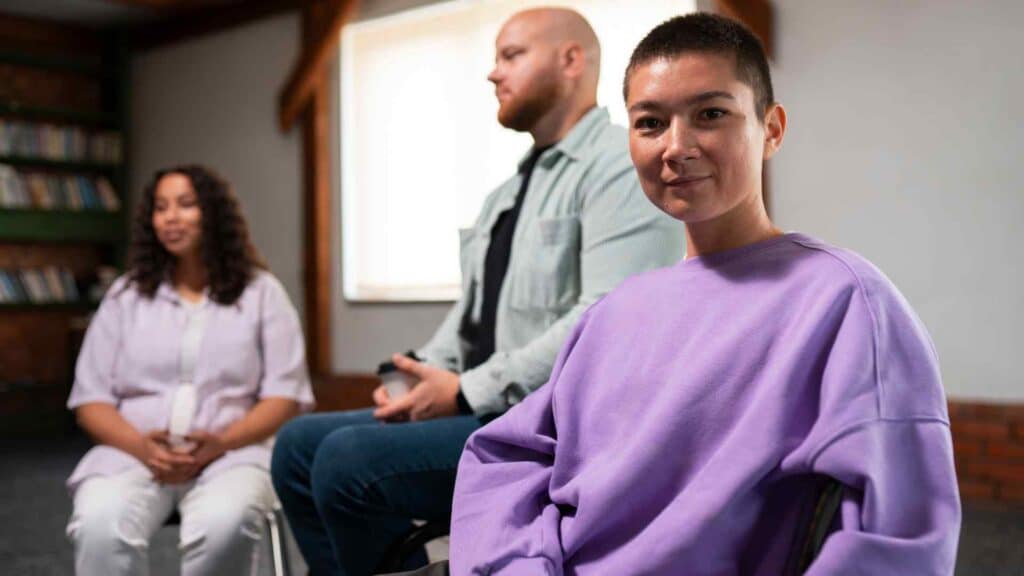
Standard outpatient programs typically involve one to three sessions per week, with each session lasting one to three hours. These programs can last from a few months to a year or more, depending on the individual’s needs and progress.
These programs prioritize skill development for recovery, focusing on relapse prevention and coping strategies that you can practice in real-world situations. Many programs also incorporate educational workshops and family therapy, promoting a holistic approach to recovery that involves your support systems and community resources.
Generally, standard outpatient programs are more affordable than intensive outpatient or inpatient programs. They are ideal for individuals transitioning from more intensive treatment or those with less severe addictions.
Treatment plans can be tailored to address individual needs and circumstances, allowing clients to practice recovery skills in real-world situations.
Check out the main factors to consider when looking for an IOP rehab which would align with your circumstances.
Intensive Outpatient Programs (IOP)
You’ll find that IOPs provide a minimum of 9 hours of treatment per week, typically structured as three 3-hour sessions. This allows you to maintain your daily responsibilities while receiving the support you need.
IOPs serve as alternatives to inpatient treatment if you don’t require detoxification or 24-hour supervision, making them suitable for moderate substance use issues.
Research shows that IOPs are just as effective as inpatient care, with significant reductions in substance use and improved abstinence rates ranging from 50% to 75%. In fact, IOPs are a prevalent form of addiction treatment in the U.S., accounting for 44% of programs.
You can expect a typical duration of around 28 days, followed by weekly aftercare. The focus will be on developing recovery skills and relapse prevention strategies to help you navigate the challenges of long-term recovery.
During the Intensive Outpatient Addiction Treatment Program in DC we provide at Vive Treatment Centers, you’ll receive the intensive support you need while still being able to maintain your daily life routine.

Partial-Hospitalization Programs (PHP)
Partial-Hospitalization Programs (PHP) offer a higher level of care while still allowing you to return home each evening. PHP is designed for individuals with substance use disorders who don’t require 24-hour supervision, serving as a bridge between inpatient and outpatient treatment.
You’ll typically attend PHP for 5-6 hours a day, 5-6 days a week, providing a structured environment for your recovery journey. The duration of PHP can vary but generally lasts from 3 to 6 months, focusing on relapse prevention and the development of recovery skills.
You’ll engage in various therapeutic modalities, including individual counseling, group therapy, and educational workshops. PHP programs emphasize the importance of community integration, allowing you to apply the skills you’ve learned in treatment to your daily life while receiving intensive support during the day.
This approach helps you build a strong foundation for long-term recovery as you transition back into your community, equipped with the tools and resources needed to maintain your sobriety and navigate challenges that may arise.
Find out what a typical IOP schedule looks like to gain a better understanding of all the components this treatment offers.
Benefits of Outpatient Addiction Treatment
One of the primary advantages is the flexibility they provide, allowing you to maintain work, family, and other responsibilities while receiving the support you need. This makes outpatient treatment a more accessible and affordable option compared to inpatient programs.
You’ll have the opportunity to develop and practice coping skills in real-world settings, enhancing your ability to navigate challenges and prevent relapse. Outpatient programs also foster a strong sense of community support, connecting you with others who share similar experiences and goals. This network of support can be invaluable as you work towards long-term sobriety.
Outpatient addiction treatment allows for discreet care without the need to explain prolonged absences. It includes various levels of care, such as standard outpatient, intensive outpatient, and partial hospitalization, and offers a diverse range of therapy options to cater to specific needs.
This format is more convenient for families to participate in therapy sessions and supports the healing of family relationships. Outpatient treatment promotes self-efficacy, motivation, and personal empowerment while helping individuals develop healthier coping mechanisms and build resilience.
Final Thoughts from Vive Treatment Centers
The path to recovery is different for every person, which is why Vive Treatment Centers provides a wide range of outpatient services right here in Washington, DC. We are dedicated to dual diagnosis treatment, which means we treat both addiction and mental health issues at the same time, offering a comprehensive approach to recovery. Our evidence-based therapies, supportive community, and inclusive environment create a foundation for lasting recovery.