





Intensive Outpatient Programs (IOPs) play a vital role in the recovery journey for many individuals dealing with mental health and substance use disorders. These programs provide a structured yet flexible approach, allowing participants to receive intensive therapy and support while still managing their daily responsibilities. Whether you are new to an IOP or seeking to enhance your current experience, understanding how to engage fully with the program can greatly improve your recovery process.
This article offers practical tips and strategies to help you get the most out of your IOP experience, ensuring you benefit fully from this important phase of treatment.

Understand the Commitment
IOPs typically require several hours per week, with sessions lasting 1-3 hours each, often multiple times a week. It’s crucial to understand the program’s structure and intensity before starting to manage your expectations and adjust your daily routine.
Contact the admissions team for a detailed schedule of the IOP sessions to ensure you’re aware of the days and hours you’ll need to attend. Balancing your commitment to the IOP with personal responsibilities can be challenging, so discuss the schedule with your employer and arrange support from family and friends.
To fully engage in the IOP experience, minimize outside stressors and ensure reliable transportation to consistently attend all scheduled sessions. By understanding the commitment required and making necessary arrangements, you’ll be better positioned to focus on your recovery journey and reap the benefits of the program.
If you’re still wondering if an IOP program is a reasonable option, then you should learn more about the Benefits of choosing IOP for Drug Addiction Recovery.
Establish a Support System
Inform your family, friends, and trusted colleagues about your participation in the IOP to cultivate understanding and garner their support.
This support network will provide emotional encouragement and practical assistance, helping you maintain motivation and accountability throughout the process. Consider connecting with past IOP participants who can offer valuable insights, relatable experiences, and encouragement, further enhancing your commitment to recovery.
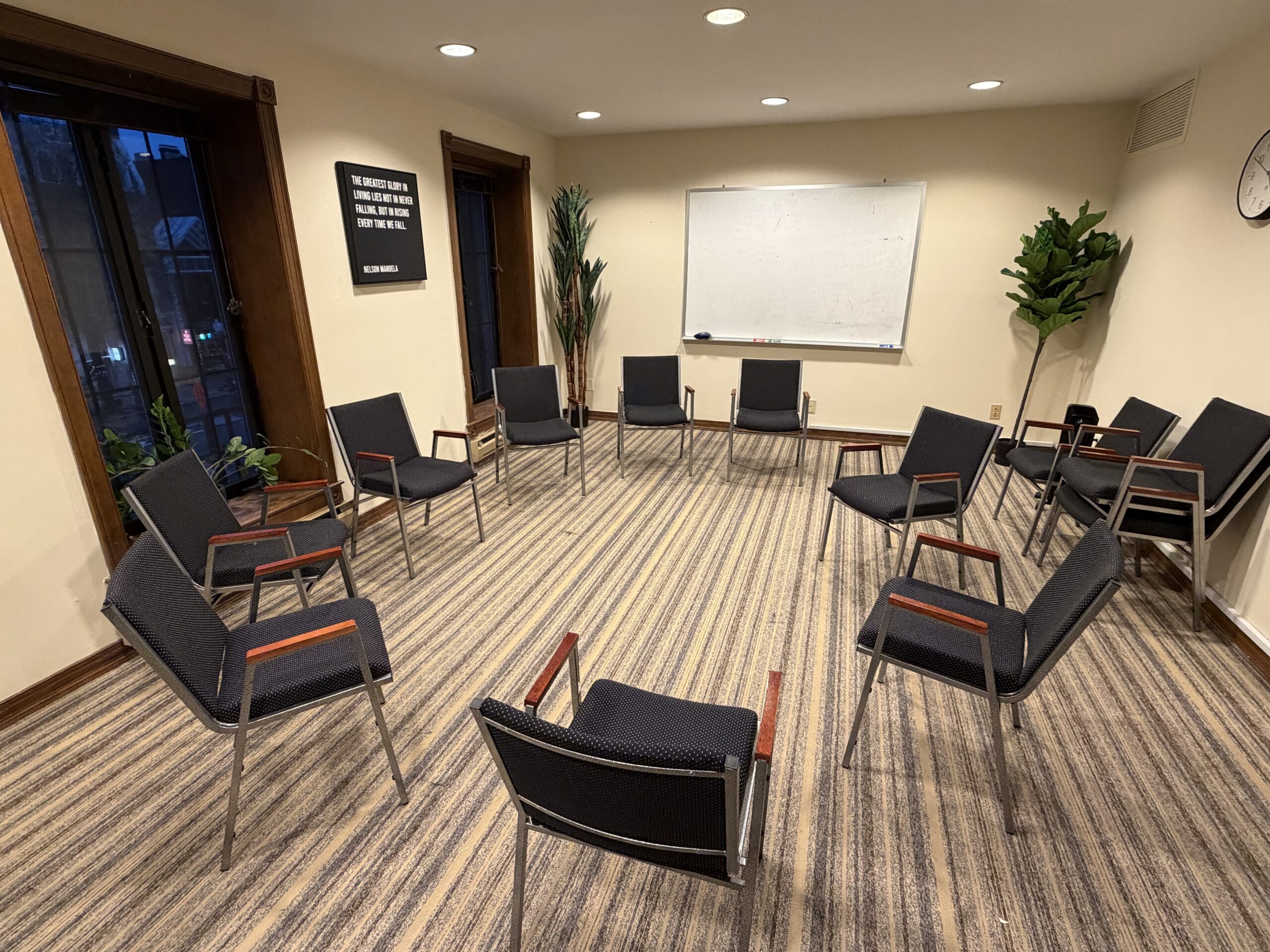
Peer interactions are a crucial part of Intensive Outpatient Programs (IOPs). These interactions can help you develop important communication and problem-solving skills, which are vital for your recovery. Make sure to engage actively in group sessions, share your experiences, and listen to others. This will help you build rapport and trust with your peers.
If your IOP offers virtual sessions, take advantage of them to connect with peers who may not be able to attend in person. Virtual platforms can provide opportunities for meaningful interactions and support.
Regular communication with your support system about your progress and challenges is key. Share the coping mechanisms you’re learning, such as those from family therapy or group therapy sessions.
Prepare Mentally and Emotionally
Acknowledge the potential emotional challenges you may face during this intensive mental health treatment, and arm yourself with effective stress management techniques. Engaging in practices like meditation and journaling can enhance your emotional stability, preparing you to confront complex personal issues during therapy sessions.
Developing new coping strategies is crucial for navigating the demands of IOP. Regularly reflect on your motivations for attending, as this can reinforce your dedication and clarify your goals throughout the treatment process. By nurturing a proactive mindset about your healing journey, you’ll foster a sense of agency and commitment to your recovery.
Remember that mental preparation involves understanding and accepting the emotional toll of delving deep into your experiences and thought patterns. Equip yourself with the tools to manage stress, maintain resilience, and embrace the growth opportunities presented by IOP.

Prioritize Attendance and Engagement
Engage fully in group sessions by sharing your personal experiences and insights, as this fosters deeper connections with your peers and enhances the overall effectiveness of the treatment. Active participation in discussions and activities won’t only support your own recovery but also contribute to building a supportive community that’s vital for long-term success.
Keep in mind that completing assigned homework and therapeutic tasks between sessions reinforces the skills you’ve learned, significantly improving treatment outcomes. Consistency and dedication are key, by prioritizing attendance and engagement, you’ll unlock the full potential of your IOP experience, empowering yourself to navigate the challenges of mental health and substance use with greater resilience and self-awareness.
Practice Self-Care Techniques
Engaging in regular physical activity, such as exercise, has been shown to improve mental health outcomes and can be a vital component of your self-care routine during IOP.
Additionally, prioritizing healthy eating, including a balanced diet rich in fruits, vegetables, and whole grains, supports overall well-being and enhances mood stability.
To further support your emotional regulation and stress management, consider incorporating mindfulness techniques into your daily life. Practicing meditation or deep-breathing exercises can help you navigate the challenges of recovery more effectively.
Ensuring adequate sleep, aiming for 7-9 hours per night, also has a significant impact on your mental health and can enhance your focus and participation in therapy sessions.
Be Open to the Process
Embracing vulnerability and maintaining an open mind are key to maximizing your growth and healing during your IOP experience. Sharing personal experiences within the supportive environment of group sessions fosters deeper connections and enhances your recovery journey.
Acknowledge that emotional responses to group members can reveal underlying personal issues, providing valuable insights for self-reflection and growth. Stay open to varying therapeutic content, as each session may contain unexpected lessons that contribute to your overall progress.
Practice daily self-reflection to identify takeaways from group interactions, reinforcing the lessons learned and promoting continuous personal development. Understand that actively engaging with group dynamics can enhance your emotional regulation skills, making it easier to navigate real-world emotional responses.
Follow Through with Recommendations
Engaging with homework activities, often part of Cognitive Behavioral Therapy (CBT), reinforces the coping strategies you’ve learned during therapy sessions and helps you apply them in real-life situations. By consistently practicing these skills between sessions, you’ll develop a deeper understanding of the therapeutic concepts, making it easier to manage challenges when they arise.
Following through with recommendations also means actively participating in suggested support groups and discussions. This allows you to practice your newly acquired coping strategies in a supportive environment, promoting confidence and resilience.
Regularly reviewing and reflecting on the feedback provided by your therapists ensures ongoing personal growth and the ability to adjust your coping mechanisms to better suit your individual needs.
Final Thoughts from Vive Treatment Centers
Maximizing your experience in the Intensive Outpatient Program (IOP) at Vive Treatment Centers involves embracing the comprehensive and compassionate care we offer. Our dedication to personalized treatment plans, evidence-based therapies, and a supportive environment ensures that each individual receives the assistance they need to navigate their unique recovery journey.
Our multidisciplinary team of professionals is committed to addressing the complexities of dual diagnosis. We provide holistic care that integrates both mental health and addiction treatment, ensuring that every aspect of your well-being is taken into account.