





Intensive Outpatient Programs (IOPs) have emerged as a vital component of the addiction treatment continuum, bridging the gap between inpatient rehab and traditional outpatient services. IOPs provide a structured, comprehensive approach to substance use disorder treatment while allowing individuals to maintain their daily responsibilities and practice recovery skills in real-world settings.
By offering a flexible yet intensive level of care, IOPs have proven to be an effective option for many individuals seeking to overcome addiction and build a strong foundation for long-term recovery. This article will explore the key features and benefits of IOPs, what to expect during treatment, and how they work to support individuals on their journey to a healthier, substance-free life.

What is an Intensive Outpatient Program (IOP)?
An Intensive Outpatient Program (IOP) is a structured treatment program for individuals dealing with substance abuse issues. This program allows participants to balance their daily responsibilities while receiving necessary support for recovery. Compared to inpatient rehab, IOPs offer more flexibility, enabling individuals to continue with work, school, or family commitments.
In an addiction treatment IOP, individuals receive personalized care tailored to their specific needs. Typically, the program involves attending sessions 3-5 days a week, with each session lasting 2-3 hours. Participants engage in individual and group therapy, psychoeducation, and holistic services aimed at helping them manage addiction and develop coping skills. Read more about the duration of IOP for addiction treatment.
IOPs adhere to the ASAM Criteria, ensuring that individuals receive the appropriate level of care based on the severity of their substance use disorder and any co-occurring mental health issues. By providing more support than standard outpatient programs, IOPs offer a foundation for recovery while facilitating a gradual return to daily life and the maintenance of long-term sobriety.
Benefits of IOP Treatment
IOP treatment offers individuals a structured approach to recovery with several practical benefits. It strikes a balance between the intensive nature of inpatient care and the flexibility of outpatient services, allowing individuals to fulfill daily responsibilities while receiving necessary support.
The structured care in IOP treatment ensures comprehensive therapy and guidance, aiding in the development of coping skills and strategies to manage addiction effectively.
A key advantage of IOP treatment is the opportunity for intensive therapy without the need for 24/7 residential care. This setup enables the application of learned skills in real-life situations, facilitating a smoother transition to long-term recovery.
The supportive environment of IOP treatment promotes peer interaction and accountability, fostering a strong network of individuals with shared goals and experiences.

Key Components of Effective IOPs
The key components of effective Intensive Outpatient Programs (IOPs) for addiction treatment include evidence-based practices, comprehensive services, and a supportive treatment environment. Effective IOPs incorporate proven therapeutic approaches such as cognitive-behavioral therapy, motivational interviewing, and relapse prevention training to help individuals develop coping skills and modify problematic behaviors. These programs also provide a range of services to address the complex needs of individuals in recovery, including individual and group counseling, family education, and medication-assisted treatment options when appropriate.
Another critical element of successful IOPs is a focus on treating co-occurring mental health conditions that often accompany substance use disorders. By integrating mental health treatment with addiction services, IOPs can help individuals achieve better outcomes and reduce the risk of relapse. Additionally, fostering a strong support system is crucial for long-term recovery. Effective IOPs encourage family involvement, connect participants with community resources, and help individuals build a network of peers in recovery.
Learn how mental health and addiction are connected.
Intensive Outpatient Programs must create a safe, structured environment that promotes accountability and encourages active participation in the recovery process. This includes setting clear expectations for attendance and engagement, conducting regular drug testing, and providing individualized treatment planning. By offering a balance of flexibility and structure, IOPs enable individuals to practice new skills and strategies in real-world settings while benefiting from the guidance and support of trained professionals.
What to Expect in an IOP
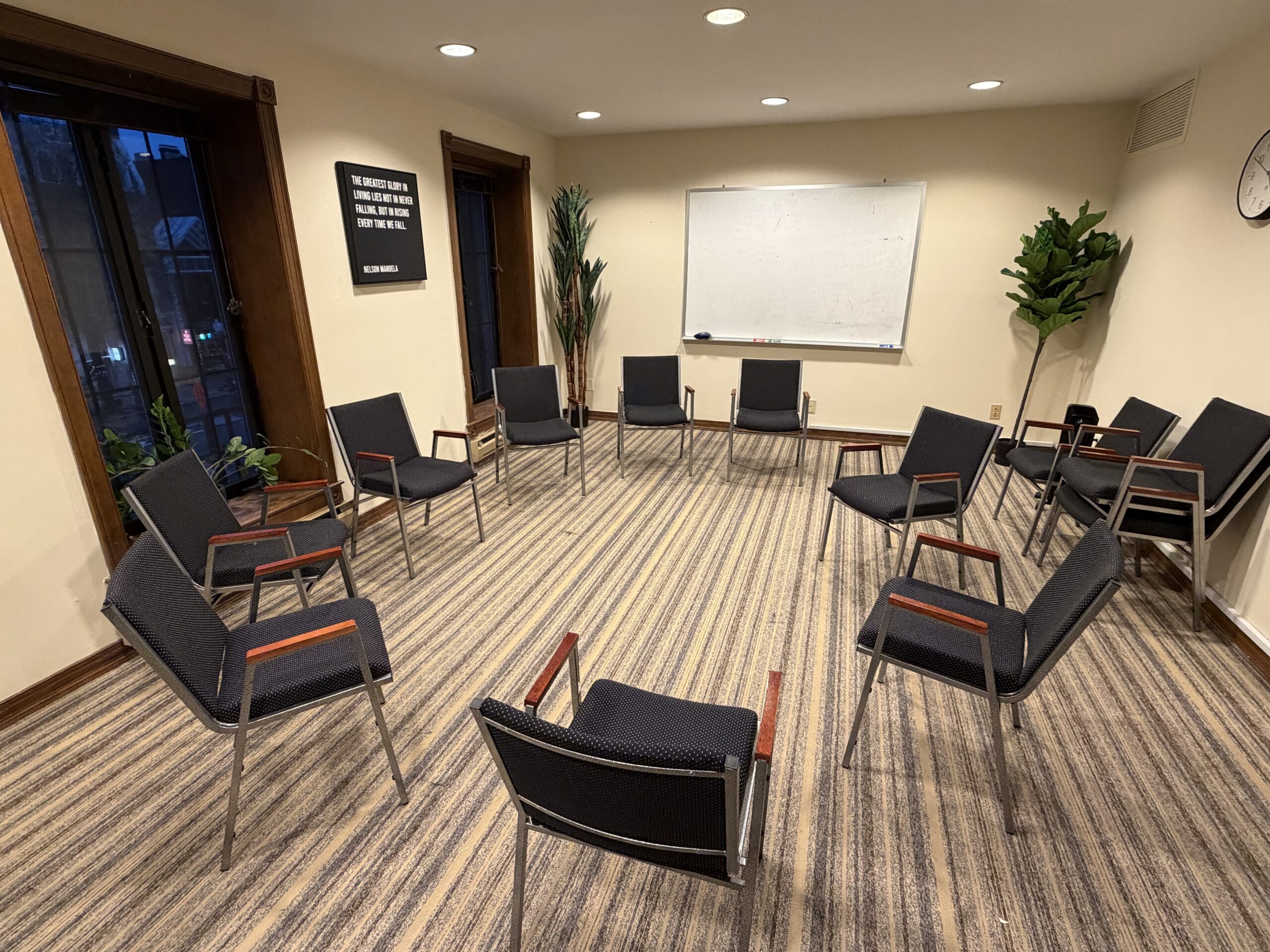
Enrolling in an Intensive Outpatient Program (IOP) for addiction treatment entails engaging in a structured treatment plan aimed at facilitating recovery. The program typically includes group and individual therapy sessions, offering a combination of peer support and personalized attention from therapists. These sessions are designed to delve into the underlying causes of addiction, develop effective coping strategies, and educate participants on relapse prevention techniques.
In addition to therapy, participants may attend psychoeducation classes to gain a better understanding of addiction and its impact on mental health. Family therapy sessions could also be part of the program to strengthen support systems and address familial dynamics contributing to the addiction.
IOPs often adopt a holistic approach by incorporating complementary services such as yoga, mindfulness, or art therapy to promote overall well-being. These activities serve as healthy outlets for managing stress and emotions, complementing the recovery journey.
Continuing Care After IOP
Continuing care, or aftercare, is essential for maintaining long-term recovery after completing an intensive outpatient program (IOP). A comprehensive continuing care plan typically includes ongoing therapy sessions, participation in support groups, and regular check-ins with addiction professionals. These activities help individuals navigate challenges, celebrate successes, and reinforce the skills learned during treatment.
Building a strong support network is also crucial, involving connections with sober peers, family, and engaging in meaningful activities that promote a healthy lifestyle. Studies show that the longer individuals participate in continuing care, the more likely they are to maintain recovery and avoid relapse. By committing to a continuing care plan and actively engaging in the recovery process, individuals who have completed an IOP can significantly increase their chances of long-term success.
Final Thoughts From Vive Treatment Centers Intensive Outpatient Treatment Programs For Addiction Treatment
By participating in an IOP, you’ll gain the tools and support needed to overcome addiction while maintaining your daily life.
You’ll develop valuable coping skills, gain insights into your addiction, and build a strong support network through individual and group therapy sessions. The comprehensive approach of an IOP will help you lay a solid foundation for lasting recovery, empowering you to lead a healthier, more fulfilling life free from the grip of addiction.