






In the field of addiction treatment, there is no single solution that works for everyone. Instead, professionals use a variety of evidence-based methods to create comprehensive treatment plans. These plans address the physical, psychological, and social aspects of addiction. The methods used range from medical interventions and behavioral therapies to holistic approaches and support group frameworks. Each method plays a crucial role in the recovery process.
This article will explore the main categories of substance abuse treatment methods. It will delve into their underlying principles, methodologies, and effectiveness.

Behavioral Therapies
Behavioral therapy is a crucial component of effective substance abuse treatment, addressing the underlying thoughts and behaviors that contribute to addiction.
Cognitive Behavioral Therapy (CBT), for example, helps you identify and change negative thought patterns, replacing them with healthier coping strategies. This empowers you to manage triggers and maintain sobriety.
Motivational Interviewing (MI) is another behavioral approach that enhances your intrinsic motivation to change by aligning treatment with your personal goals and values.
Contingency Management (CM) provides tangible rewards for maintaining sobriety, reducing dropout rates and instances of relapse.
For those with co-occurring mental health issues, Dialectical Behavior Therapy (DBT) focuses on teaching emotion regulation and coping skills, while trauma-focused therapies like Seeking Safety address the interplay between trauma and substance misuse.
If you have co-occurring mental health issues while dealing with substance abuse, opting for a Dual Diagnosis Program will equip you with the tools necessary to achieve lasting recovery and mental well-being.
Medication-Assisted Treatment (MAT)
Medication-Assisted Treatment (MAT) offers a powerful solution for individuals struggling with substance use disorders, particularly opioid addiction. By combining FDA-approved medications with counseling and behavioral therapies, MAT takes a comprehensive approach to address the physical, psychological, and emotional aspects of addiction. The medications used in MAT help readjust brain chemistry and reduce cravings, supporting individuals in achieving and sustaining recovery.
MAT can significantly improve treatment retention rates and reduce illicit opioid use compared to non-medicated approaches. It’s also cost-effective, especially for uninsured individuals, as it reduces the need for more expensive emergency interventions related to substance use.
Psychosocial Modalities
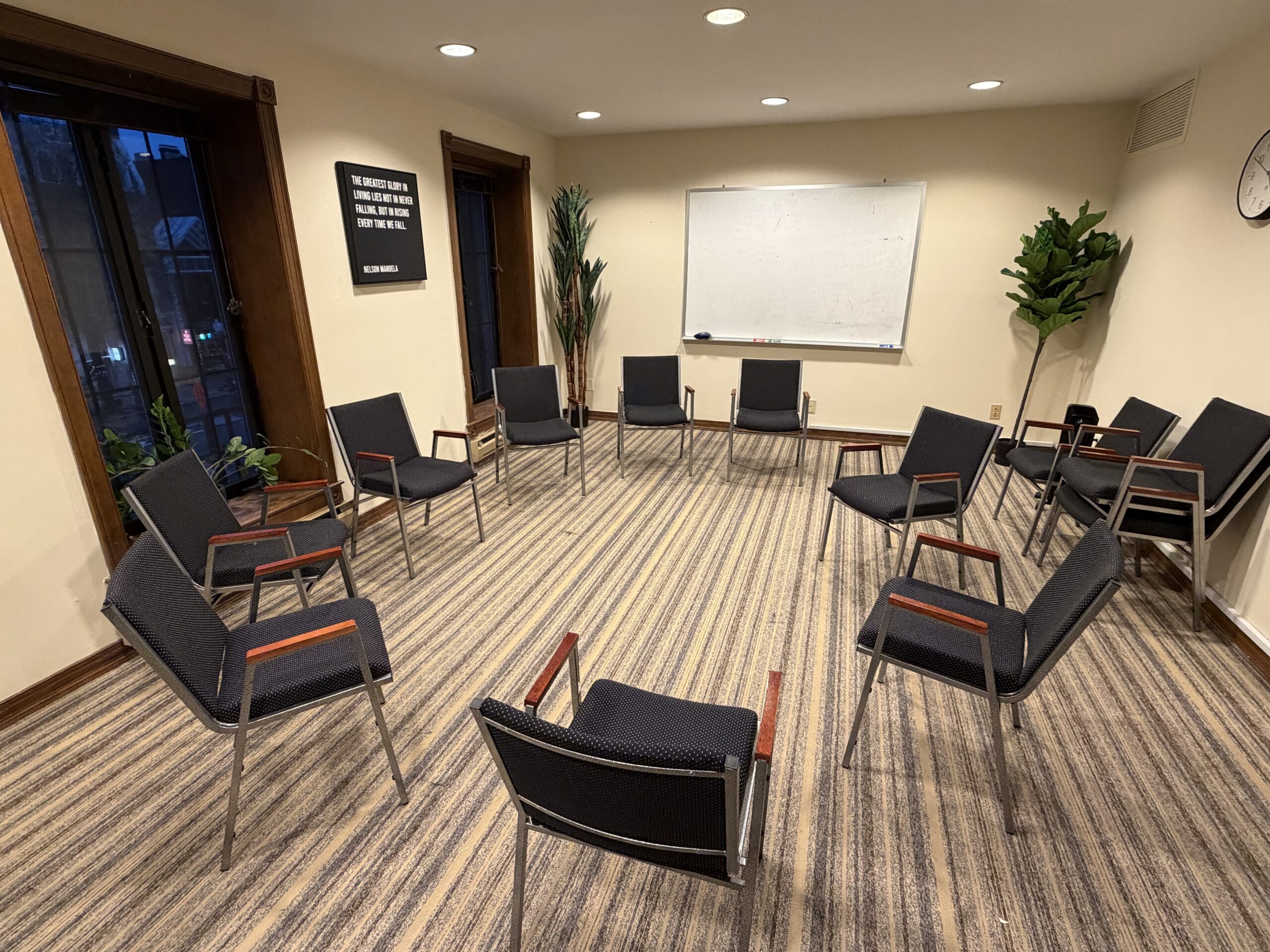
Group therapy is one of the most common psychosocial modalities, often proving as effective as individual therapy for substance use disorders. It provides a supportive environment where you can share experiences and learn from others facing similar challenges.
Cognitive behavioral therapy (CBT) is another key component of psychosocial treatment, helping you identify and change negative thought patterns associated with substance use. By developing proactive behaviors and long-term recovery strategies, CBT empowers you to maintain sobriety.
Family involvement is also critical in psychosocial modalities, as it’s linked to improved treatment outcomes. Family therapy approaches consider the impact of gender role socialization on communication, fostering a deeper understanding and support system for your recovery journey.
Structured alternative activities, such as sports and crafts, enhance psychosocial modalities by promoting bonding and social skills in abstinent settings.
Holistic and Alternative Modalities
Holistic therapies, such as yoga, meditation, and acupuncture, focus on the physical, emotional, and spiritual aspects of healing. Engaging in these practices can reduce anxiety and stress, improve emotional well-being, and enhance overall treatment outcomes.
Creative therapies, like art and music therapy, provide an outlet for expressing emotions and experiences associated with addiction, facilitating personal growth and self-awareness. These modalities help develop crucial coping skills and promote mindfulness, which are essential for maintaining long-term sobriety.
Holistic and alternative approaches complement traditional treatments by offering additional support and enhancing the therapeutic experience. They often lead to improved patient engagement and satisfaction, as they address the unique needs of each individual in recovery.
Learn more about the benefits of journaling for people dealing with both substance abuse and mental health problems.

Treatment Settings
Inpatient rehab provides a structured, supportive environment where you’ll receive intensive care and reside at the facility for a specified period. If you require more flexibility, outpatient rehab allows you to maintain daily responsibilities while attending therapy sessions.
Intensive outpatient programs (IOPs) offer a middle ground, providing rigorous treatment without overnight stays. Detoxification is often the first step, ensuring you safely withdraw from substances under medical supervision.
Once you’ve completed rehab, aftercare programs are essential for ongoing support and relapse prevention. They provide resources and community connections to help you maintain sobriety.
It’s important to note that the right treatment setting depends on your specific situation, and it’s crucial to work with professionals to determine the best approach for your recovery journey.
Final Thoughts from Vive Treatment Centers
Our team at Vive Treatment Centers in DC understands that substance abuse frequently goes hand in hand with mental health issues, and our comprehensive approach ensures that both are addressed concurrently. We provide a wide range of evidence-based therapies, such as Cognitive Behavioral Therapy (CBT) and Dialectical Behavior Therapy (DBT), as well as holistic practices and medication management, to support your path to recovery. Whether you’re dealing with depression, anxiety, bipolar disorder, or post-traumatic stress disorder (PTSD) in addition to substance abuse, our empathetic team is committed to guiding you through every stage of the process.