






Selecting the most suitable treatment approach is essential for achieving lasting recovery from addiction. Residential and inpatient treatment programs are two frequently used options that can be confusing for people seeking assistance. It’s crucial for individuals on the recovery journey, as well as their families and healthcare providers, to grasp the key differences between residential and inpatient treatment.
This article aims to clarify the main distinctions between these two types of addiction treatment by examining their unique environments, lengths of stay, levels of care, and treatment focuses.

Treatment Focus
Inpatient care prioritizes acute stabilization for individuals with severe substance use disorders, providing round-the-clock medical supervision and crisis intervention in a hospital setting. It’s designed for short-term treatment, usually less than 30 days, to address immediate safety concerns and manage withdrawal symptoms.
In contrast, residential treatment programs emphasize comprehensive, long-term recovery by targeting the underlying causes of addiction. They offer a structured environment that combines various therapeutic modalities, such as individual and group therapy, with educational components to help you develop coping strategies and life skills.
Residential treatment also addresses co-occurring mental health conditions that may contribute to substance abuse. You’ll engage in a longer course of treatment, typically 30 days or more, allowing for deep exploration of personal issues and sustained progress toward recovery.
While inpatient care focuses on immediate medical needs, residential treatment takes a holistic approach, fostering personal growth and preparing you for successful reintegration into society.
Our team at Vive Treatment Centers will guide through the different stages of addiction recovery through our comprehensive Intensive Outpatient Program in DC which is designed to provide you with the needed support without disturbing your daily responsibilities.
Level of Care Intensity
Inpatient treatment provides the highest level of care, offering 24/7 medical supervision in a hospital-like setting for individuals with severe addiction who require immediate stabilization and crisis intervention.
In contrast, residential treatment offers a lower intensity level of care, focusing on long-term recovery in a supportive, home-like environment with less frequent medical intervention.
The average length of stay for inpatient care is typically less than 30 days, while residential programs often last 30 days to a year, depending on individual needs.
As you progress in your recovery journey, transitioning from the high-intensity inpatient level of care to a residential program can provide a comprehensive approach that balances ongoing medical support with the development of essential life skills and the addressing of underlying issues related to addiction.
This transition allows you to build upon the foundation established during inpatient treatment, while receiving the necessary support and structure to maintain long-term sobriety in a less intensive setting.
Treatment Approaches
Inpatient care primarily focuses on providing immediate medical supervision and crisis intervention to stabilize acute symptoms. You’ll receive 24/7 monitoring and medication management to address urgent needs.
In contrast, residential treatment takes a more comprehensive, long-term approach to recovery. You’ll engage in holistic healing that goes beyond symptom management, delving into the underlying causes of addiction.
Residential programs emphasize the development of coping strategies and life skills through a structured, supportive environment. You’ll participate in various therapeutic modalities, such as cognitive behavioral therapy (CBT), and benefit from educational components that foster personal growth.
Duration of Treatment
Inpatient treatments typically last from a few days to a maximum of 30 days, focusing on immediate stabilization for severe addiction or acute symptoms.
In contrast, residential rehab often requires longer stays, generally ranging from 30 days to several months, allowing for comprehensive recovery and skill-building.
The average length of stay in residential treatment can extend beyond 90 days in some programs, depending on individual recovery needs and progress.
Read more details about the length of Intensive Outpatient Programs for addiction treatment and the factors affecting it.

Treatment Environment
Inpatient programs take place in hospital settings, providing a clinical treatment environment with round-the-clock medical supervision for individuals experiencing acute addiction issues. These facilities typically have stricter regulations and protocols due to their association with hospitals.
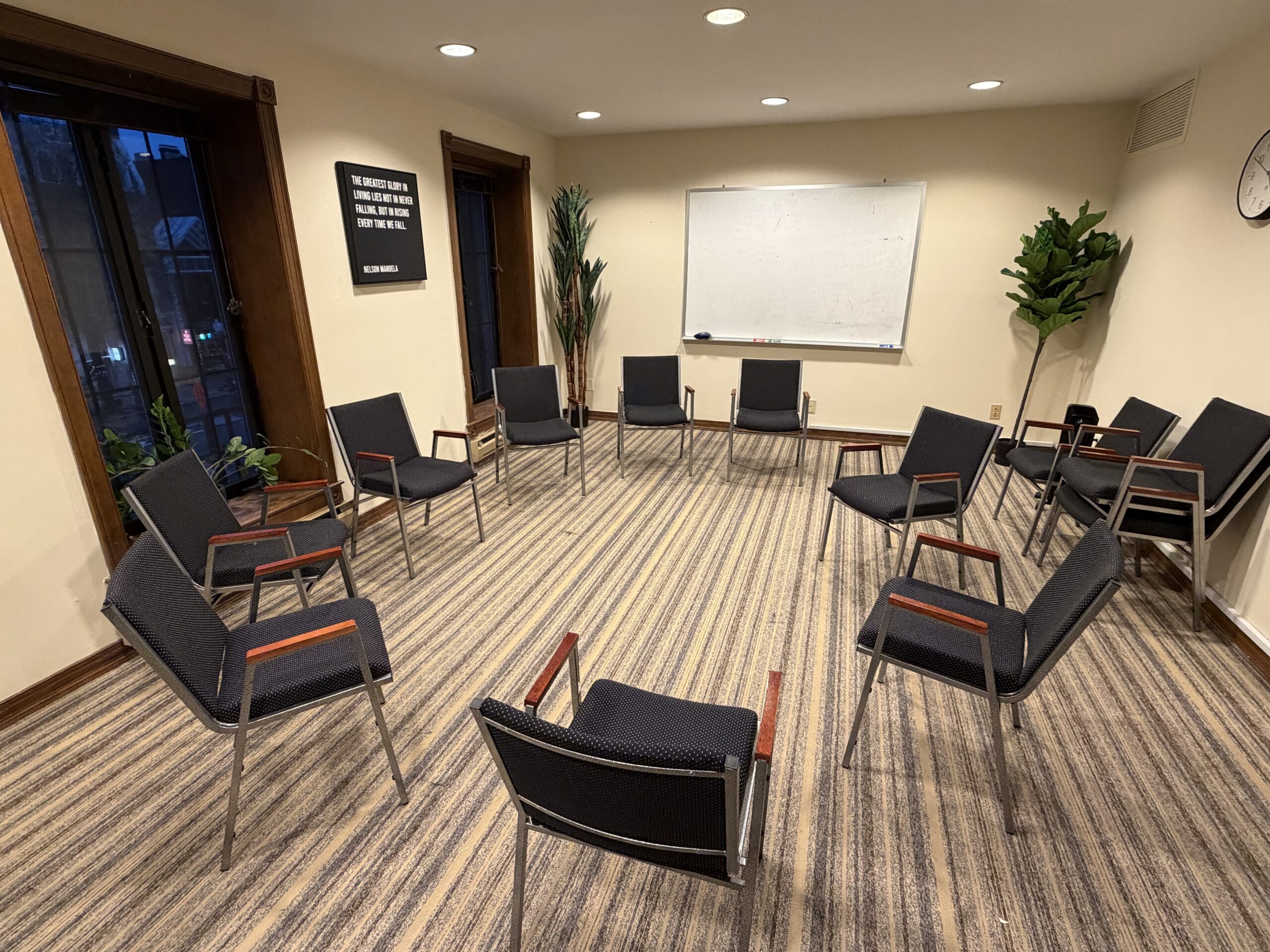
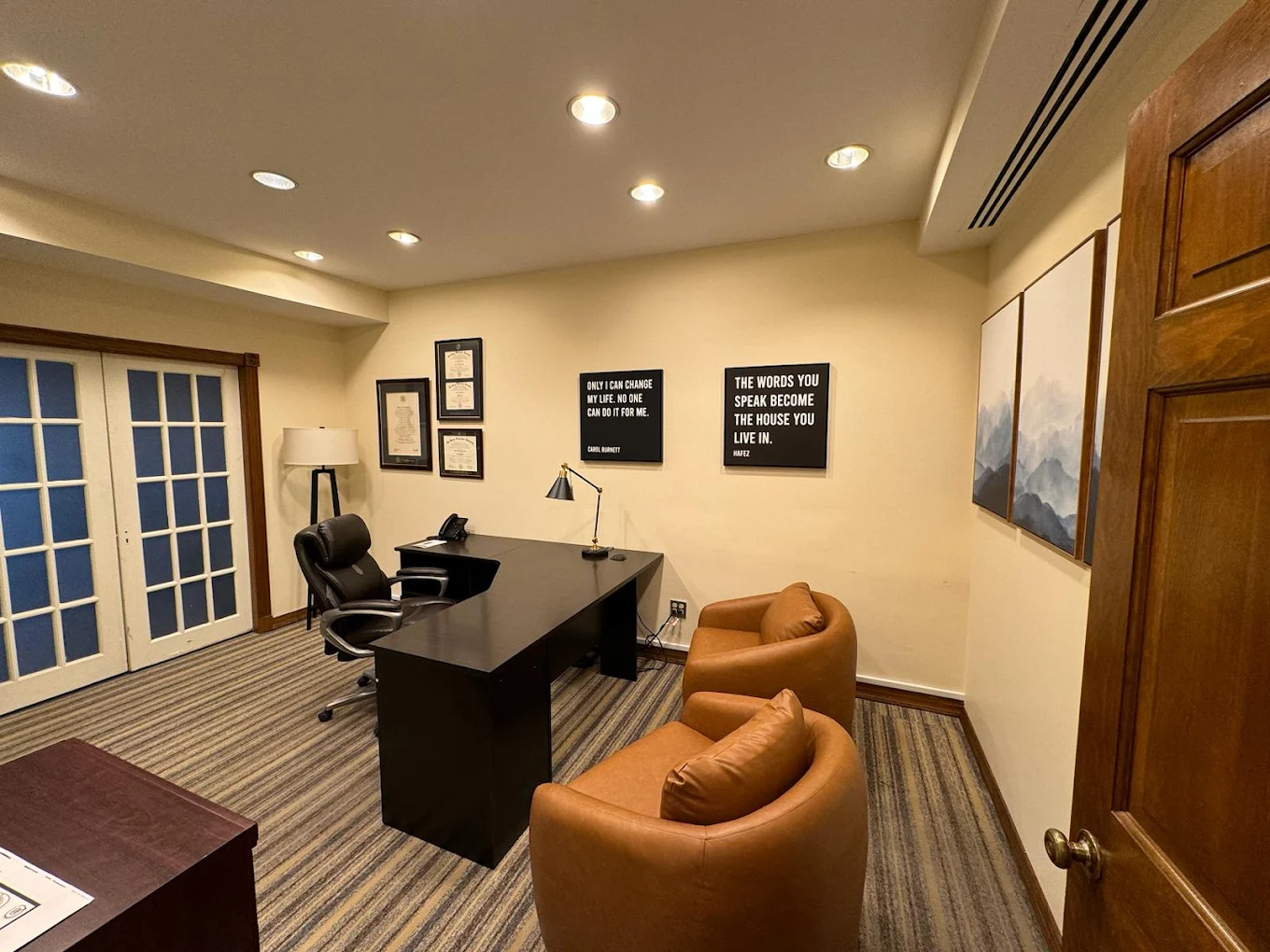
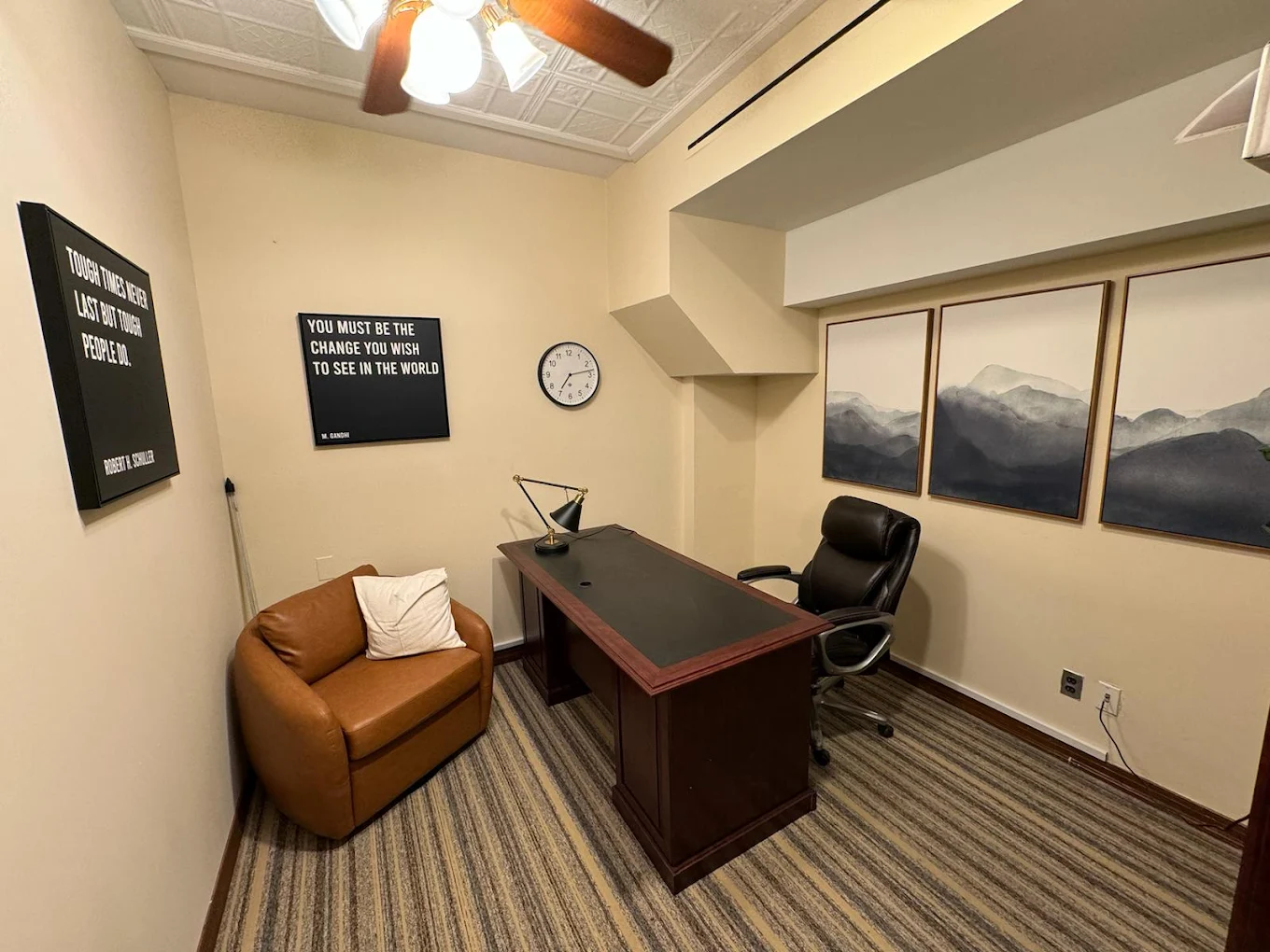
In contrast, residential programs create a more home-like atmosphere, focusing on comfort and community support while offering structured daily routines for long-term recovery. They often incorporate group therapy and experiential activities in a supportive therapeutic community, promoting social connections and holistic healing beyond the clinical focus of inpatient care.
The transition from inpatient to residential care allows individuals to step down to a less intensive setting, where the focus shifts from crisis stabilization to skill-building and personal development.
Choosing the Right Option
When weighing inpatient or residential care, it’s crucial to assess the severity of your substance use disorder and any co-occurring mental health conditions.
Inpatient treatment is often recommended for those with severe addictions or who require immediate medical supervision, while residential care may be more appropriate if you’re seeking a longer-term, immersive treatment experience.
Consulting with a mental health professional can help you navigate the available treatment options and determine which level of care aligns best with your unique situation.
Check out the benefits of opting for an IOP if you’re dealing with substance abuse.
Final Thoughts from Vive Treatment Centers
At Vive Treatment Centers, we recognize that residential and inpatient treatment options provide valuable paths to recovery for individuals struggling with addiction. Although our focus is on delivering intensive outpatient programs in Washington, DC, we acknowledge the significance of comprehensive care across all treatment modalities. Regardless of whether you select residential, inpatient, or outpatient care, the most important step is seeking help.