







An Intensive Outpatient Program (IOP) can offer the necessary framework, assistance, and therapeutic treatments to help you overcome addiction while still allowing you to fulfill your daily obligations. However, with so many options to choose from, selecting the right program can be a daunting task.
This article will provide guidance on the essential factors to consider when choosing an IOP rehab, enabling you to make a well-informed decision that lays the groundwork for long-term recovery.

Flexibility and Scheduling
Many IOPs offer evening and weekend sessions, allowing you to maintain work, school, or family commitments while prioritizing your recovery.
This flexibility can significantly reduce barriers to attendance and improve your overall treatment experience.
Consistent therapy schedules, typically involving 3-5 sessions per week, are crucial for maintaining a structured routine and supporting your recovery journey.
When evaluating treatment programs, look for those that prioritize flexibility in scheduling, as they often see higher completion rates due to participants’ ability to better integrate treatment into their lives.
At Vive Treatment Centers we provide comprehensive Intensive Outpatient Programs for addiction recovery in DC in which we tailor treatment plans to your specific needs, increasing the likelihood of successful long-term recovery. Read more about our program here:
https://vivetreatmentcenters.com/intensive-outpatient-program-dc-2/Individualized Treatment Plans
When you’re seeking individualized care, look for programs that conduct comprehensive assessments to identify your unique needs and co-occurring disorders. This allows them to develop customized treatment plans tailored to your specific goals and circumstances.
Such approach enhances the effectiveness of your recovery process and keeps you engaged in treatment.
As you progress through the program, continuous monitoring and evaluation of your individualized treatment plan are essential. This ensures that the plan adapts to your evolving needs, maximizing your chances of success.
Treatment Modalities Offered
It’s important to understand that effective IOPs utilize evidence-based therapies, such as Cognitive Behavioral Therapy (CBT) and Dialectical Behavior Therapy (DBT), which are proven to treat substance use disorders and co-occurring mental health issues.
You’ll also find that many programs incorporate Motivational Interviewing (MI) to enhance your engagement and commitment to the recovery process.
In addition to these core treatment modalities, look for IOPs that offer holistic approaches tailored to your individual needs.
These may include mindfulness-based therapy, yoga, and art therapy, which support your emotional and physical well-being.
If you have a history of trauma, seek out programs that provide specialized modalities like trauma-informed care.
Check out the essential steps to take when preparing for an IOP, in order to make the most of your recovery experience.
Amenities and Environment
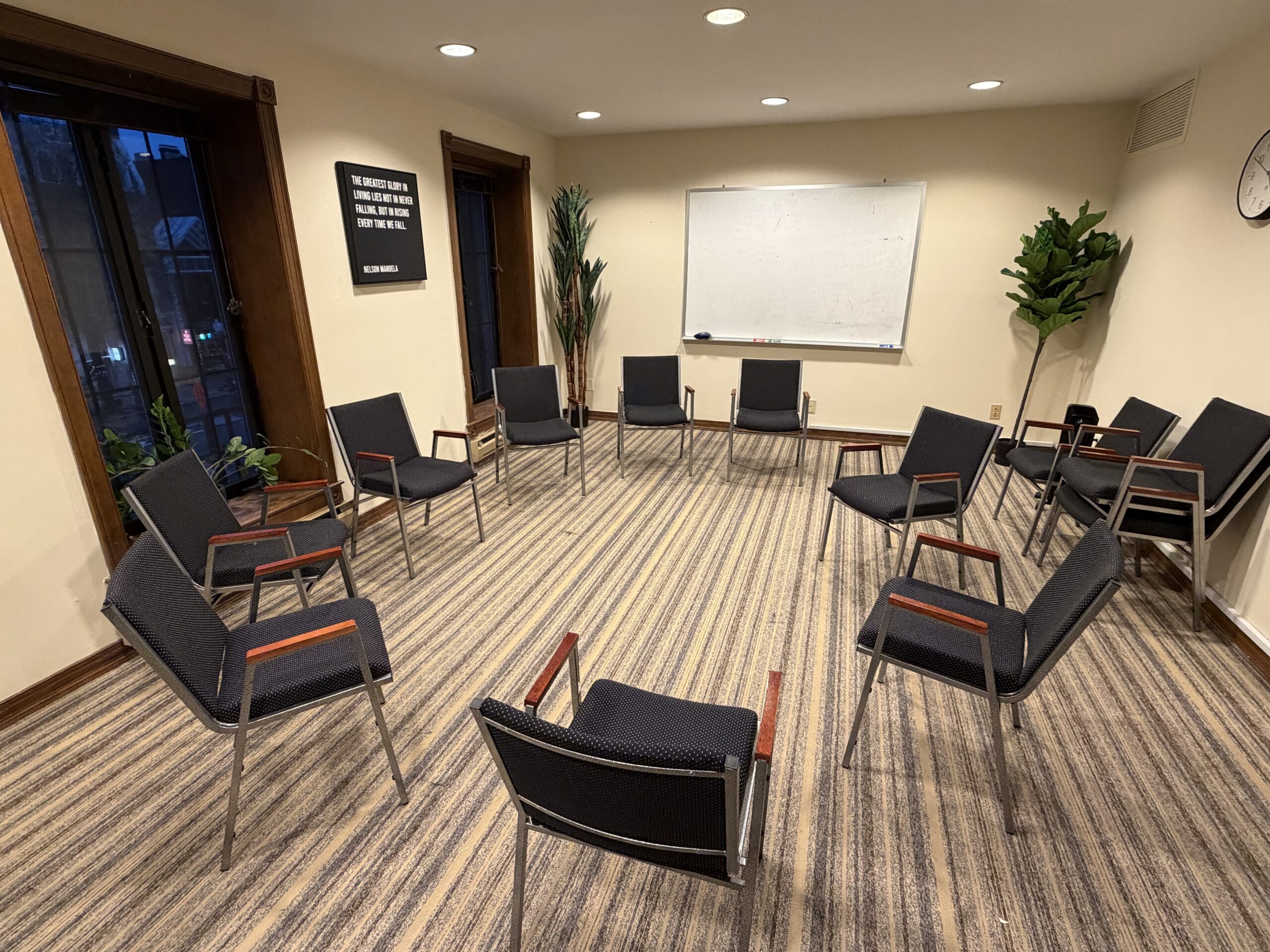
Look for amenities that promote patient engagement and overall satisfaction, such as comfortable therapy spaces, recreational areas, and access to outdoor environments.
Consider programs that incorporate holistic amenities, like yoga studios or meditation rooms, which can help reduce stress and foster mental well-being alongside traditional therapeutic practices.
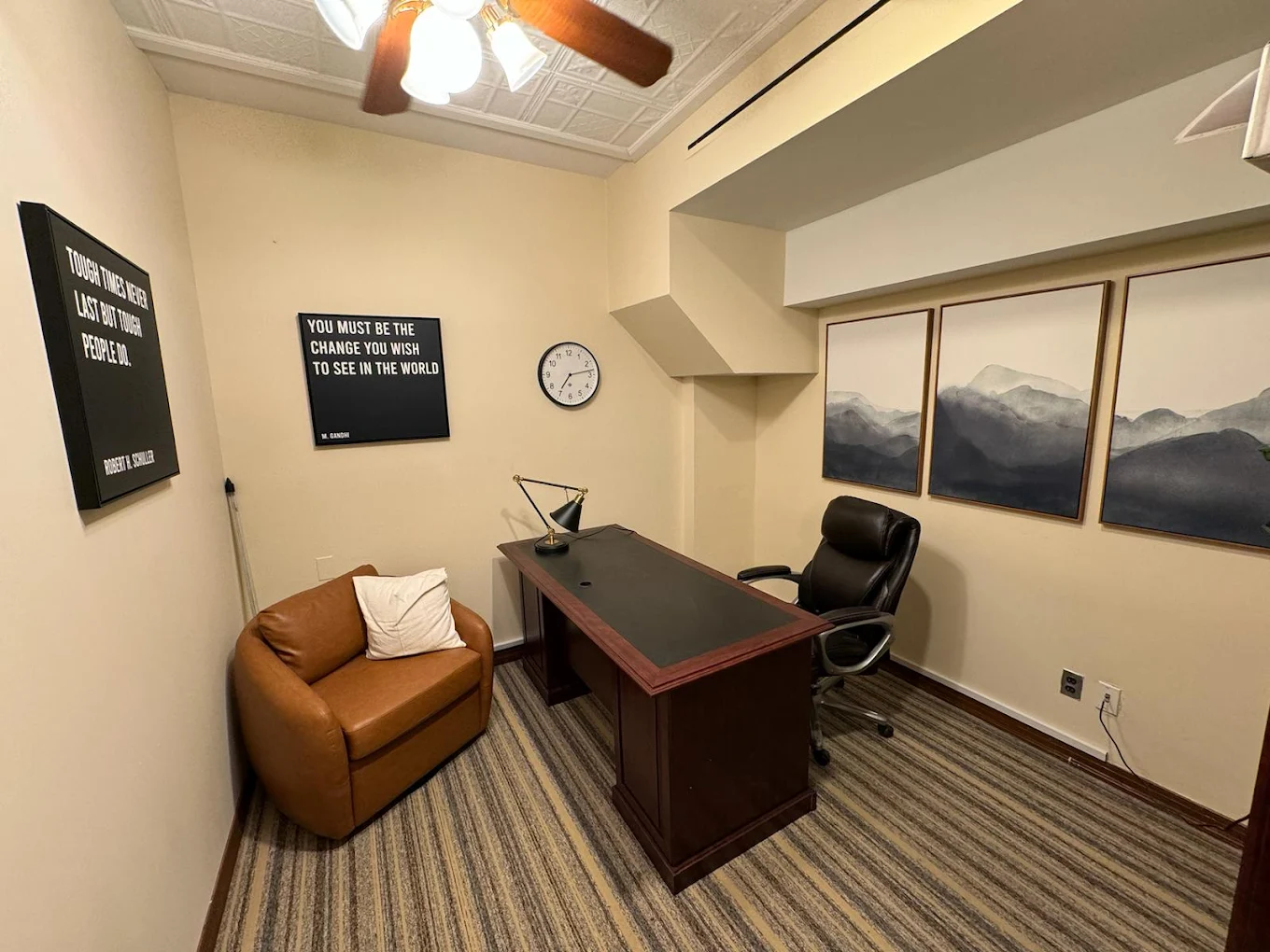
Ensure that the IOP offers resources crucial for comprehensive treatment support, including meeting rooms for group therapy, private spaces for individual counseling, and areas for family involvement.
A supportive environment that fosters community and peer support through shared spaces for social interaction can strengthen relationships among participants and enhance motivation for sustained recovery.
Learning about the duration of an IOP for addiction treatment will help you plan your responsibilities ahead of time.

Cost and Insurance Coverage
The cost of IOPs can vary significantly based on factors such as duration, intensity, and services provided. Treatment typically lasts from a few weeks to several months, so it’s crucial to understand the financial commitment required.
Insurance coverage plays a vital role in making outpatient treatment accessible. Many IOPs accept various insurance plans, which can substantially reduce out-of-pocket expenses. However, it’s important to verify your insurance benefits before enrollment, as coverage for mental health and substance use disorder treatments can vary widely.
Some treatment centers offer sliding fee scales based on income, providing financial flexibility for those without insurance or facing high deductibles.
When engaging in financial planning for your IOP, consider both upfront costs and potential ongoing expenses to ensure you’re prepared for the investment required for effective recovery.
Find out all the details regarding IOP Insurance Coverage and be better informed of your financial support options.
Accreditation and Licensing
Accredited programs, such as those recognized by the Joint Commission or CARF, demonstrate adherence to high standards of care and evidence-based practices.
These accreditations ensure that the treatment facilities prioritize patient safety and implement best practices, leading to improved outcomes and higher success rates.
When researching IOPs, it’s important to verify their licensing status, as licensed facilities must comply with state and federal regulations. These regulations often cover staff qualifications, treatment protocols, and patient safety measures.
Location and Accessibility
Proximity to home significantly increases the likelihood of consistent attendance at treatment facilities, which is crucial for maintaining recovery.
Accessibility can reduce travel-related stress, making it easier for you to engage in the recovery process. Moreover, local facilities may have a better understanding of community-specific issues and resources, enhancing the relevance of the treatment provided.
When evaluating an IOP’s location, consider transportation options, as reliable transport can facilitate regular attendance and participation in therapy sessions.
Convenience in location can improve overall treatment engagement and adherence, as you’re more likely to attend sessions that fit easily into your daily routine.
Final Thoughts from Vive Treatment Centers
By carefully assessing these key elements, individuals can make an informed decision when choosing an IOP that best supports their recovery goals. At Vive Treatment Centers, we recognize that every person’s journey towards recovery is distinct, and discovering the ideal Intensive Outpatient Program can significantly impact achieving long-term success. We are dedicated to delivering all-encompassing, tailored care that focuses on every facet of the recovery process. Our knowledgeable team is available to assist you in navigating the decision-making process and addressing any inquiries you may have regarding our IOP services.