







Preventing heroin relapse is a critical part of the recovery journey. It provides individuals with the chance to maintain the hard-earned progress they have made. Heroin addiction presents significant challenges, and the risk of relapse is a constant concern for those in recovery. By understanding the complexities of relapse and implementing effective prevention strategies, individuals can significantly improve their chances of achieving long-term sobriety.
This article explores the various triggers that can lead to relapse and offers practical strategies to help individuals stay committed to their recovery.

Developing a Structured Aftercare Plan
Your aftercare plan should include regular participation in support groups, such as Narcotics Anonymous (NA), where you can find a sense of community and accountability among peers who are also in recovery.
Incorporating individual counseling sessions into your plan is crucial for addressing underlying issues and developing effective coping strategies to manage triggers. To prevent boredom and idle time, which are common relapse triggers, engage in daily activities and create a schedule that keeps you occupied.
Your aftercare plan should also identify and include a support network of trusted friends and family who can provide encouragement and check in on your progress. Regular progress monitoring through assessments and adjustments to your aftercare plan is key to ensuring its effectiveness and addressing any emerging challenges.
At Vive Treatment Centers we carry out Heroin Addiction Treatment Programs in DC which are suitable for those struggling not only with heroin abuse but other mental health issues which affect their substance dependence.
Attending Support Groups Regularly
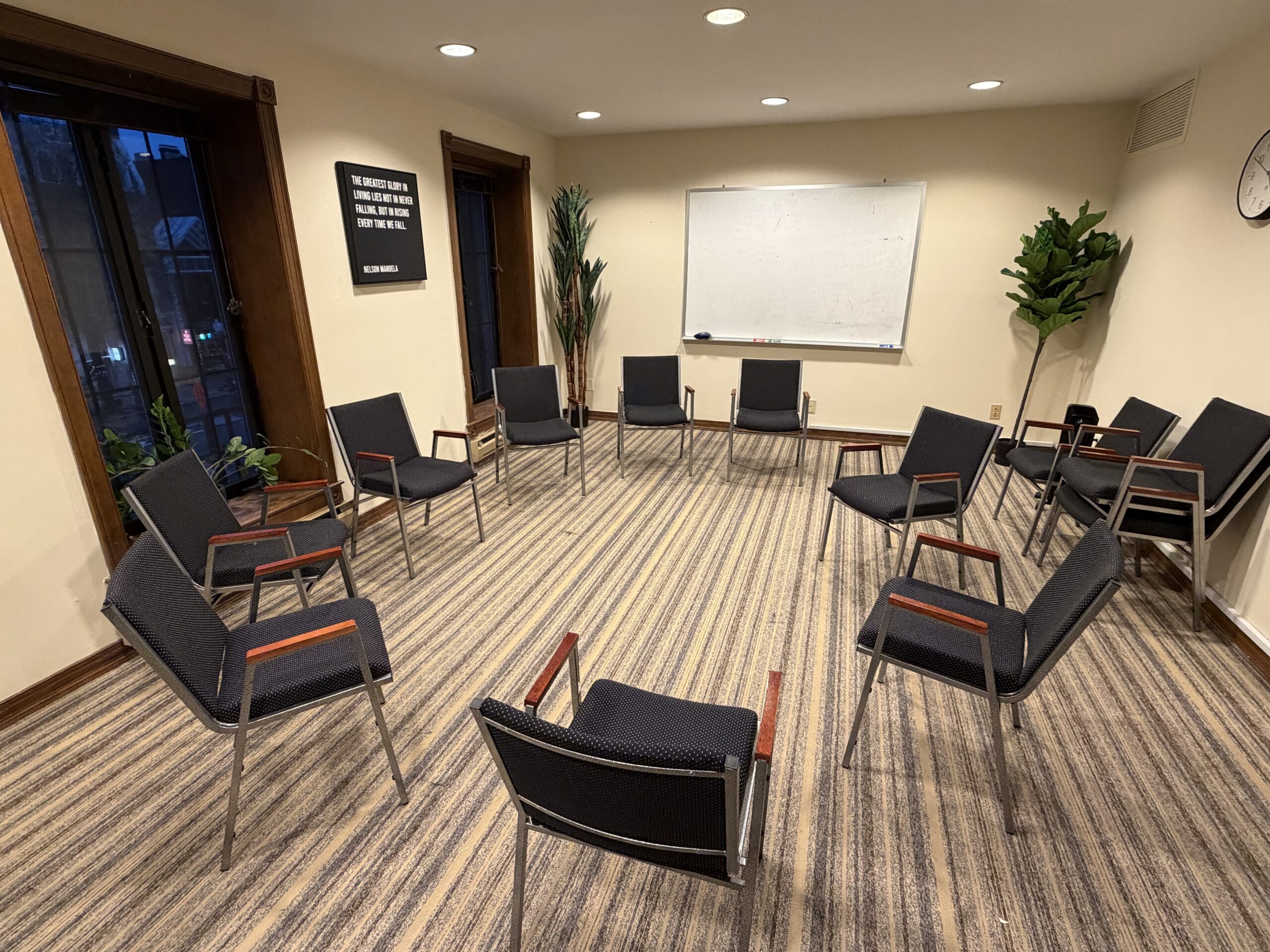
Support groups, such as Narcotics Anonymous (NA), provide a safe environment where you can share your experiences and receive encouragement from peers who understand the challenges of recovery.
Support groups often offer a structured weekly schedule, helping you stay accountable and committed to your sobriety goals. Many groups also provide the opportunity to work with a sponsor, who can offer personalized guidance and support throughout your recovery journey.
Engaging in support groups fosters a sense of community and belonging, which can alleviate feelings of isolation and loneliness that may trigger relapse.
Check out what the IOP group topics are to learn what types of discussions you’re most likely going to take part in.
Establishing a Sponsor Relationship
Your sponsor serves as a guide, mentor, and confidant throughout your recovery process, providing invaluable support and encouragement. They’ve successfully maintained sobriety and can share their experiences, helping you navigate challenges and develop effective coping skills.
Regularly connecting with your sponsor creates a strong support system, reducing feelings of isolation that can trigger relapse. Establish a consistent check-in schedule with your sponsor to discuss progress, setbacks, and any temptations you face. Open communication fosters accountability and motivation, reinforcing your commitment to sobriety.
Your sponsor can offer practical advice and strategies for managing cravings, addressing triggers, and building a fulfilling life in recovery.
Read more about What is a Sponsor in Addiction Recovery?
Avoiding High-Risk Environments
Relapse occurs more frequently when you’re exposed to places, people, and situations associated with past drug use.
It’s crucial to identify these triggers and make a conscious effort to avoid them. Engage in social activities that promote sobriety, such as attending support group meetings or participating in recreational programs that provide positive influences.
Establishing a routine that includes safe spaces and supportive individuals can help you maintain focus on your recovery goals. Communicate openly with trusted friends and family about your commitment to avoiding high-risk environments, as they can offer accountability and encouragement in your recovery efforts.
By proactively steering clear of temptations and surrounding yourself with positive influences, you’ll significantly reduce the chances of relapse and strengthen your resolve to maintain a drug-free lifestyle.

Communicating Goals and Engaging Hobbies
It’s essential to clearly express your intentions to family and friends who can offer support and accountability. Their understanding and encouragement can bolster your resolve during challenging moments.
Engaging in hobbies is another powerful strategy to prevent relapse. Constructive activities help distract from cravings, reduce idle time, and provide a sense of purpose.
Explore interests that bring you joy and fulfillment, whether it’s sports, arts, or volunteering. Regularly assessing your passions and trying new hobbies can enhance coping skills and promote emotional well-being.
Building a structured daily routine that includes time for hobbies reinforces healthy habits. Participating in the recovery community through shared activities can also foster connection and support.
Therapy and Counseling
Engaging in regular counseling sessions provides ongoing support and accountability, significantly reducing your risk of relapse after treatment.
Therapy can help you identify triggers and develop coping skills to manage cravings effectively. Cognitive-behavioral therapy (CBT) is particularly beneficial in teaching you to recognize and alter negative thought patterns associated with substance use, thereby strengthening your relapse prevention efforts.
In addition to individual counseling, participating in group therapy settings, such as Narcotics Anonymous (NA), fosters a sense of community and shared experience, which can enhance your motivation and provide valuable peer support.
Integrating family therapy into your recovery process can also address underlying issues and improve communication, further supporting your long-term sobriety.
Final Thoughts from Vive Treatment Centers
A comprehensive approach that addresses the physical, psychological, and social aspects of addiction is crucial in preventing heroin relapse and maintaining a life of sobriety. Our team of addiction and mental health professionals at Vive Treatment Centers in Washington, DC can provide personalized treatment plans for both your substance abuse issues and any co-occurring mental health disorders, which impact your condition.