







Yes, cocaine can make your eyes red. When you use cocaine, it elevates your blood pressure and triggers sympathetic nervous system activation, causing your conjunctival and episcleral blood vessels to dilate. This vasodilation produces visible redness and a bloodshot appearance. Cocaine also destabilizes your tear film by suppressing your blink reflex, which worsens surface irritation. You’ll often notice redness alongside dilated pupils and light sensitivity, and understanding these overlapping mechanisms can help you recognize more serious warning signs.
Does Cocaine Make Your Eyes Red?
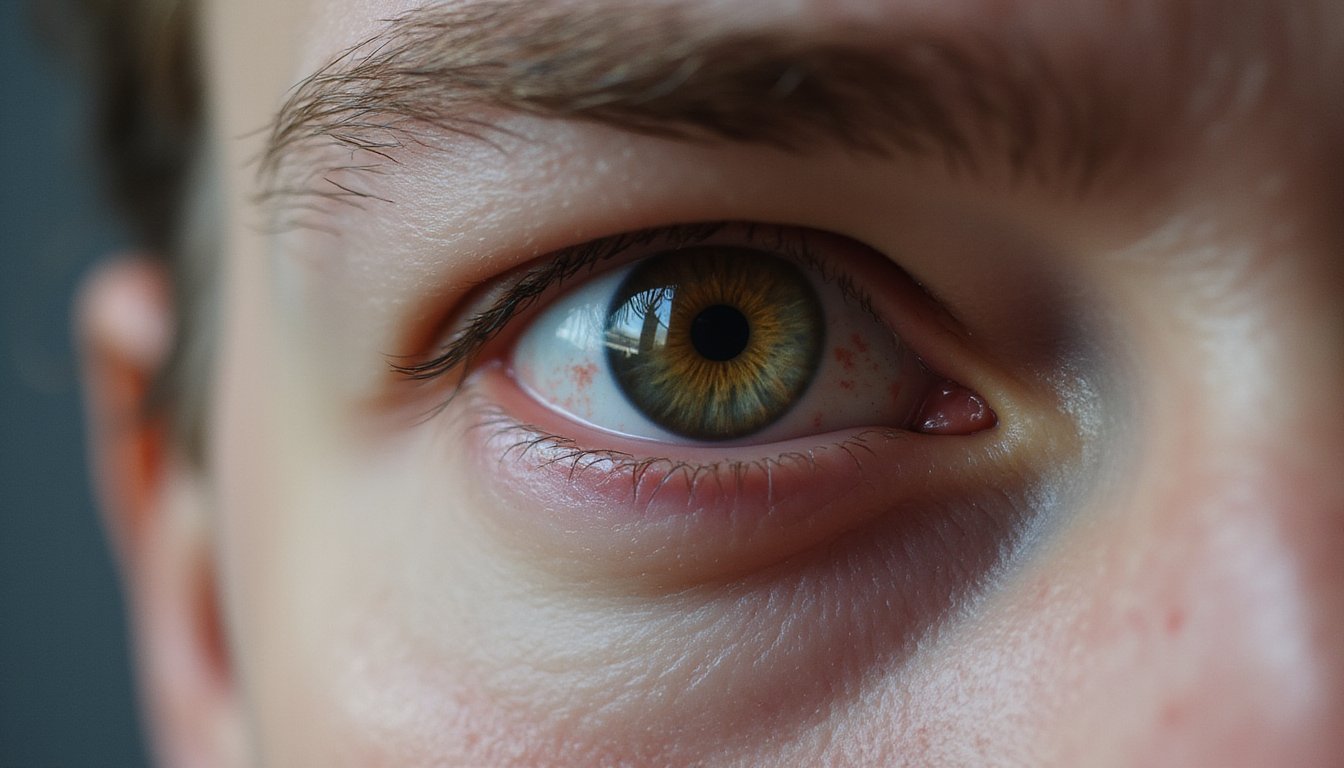
Cocaine can indeed make your eyes appear red or bloodshot, though this effect varies in intensity and duration. The redness typically emerges shortly after use and often accompanies dilated pupils, light sensitivity, and watery eyes. If you’re asking does cocaine make your eyes red, the answer involves multiple physiological mechanisms rather than a single cause. Changes eye for cocaine use can also result in discomfort and impaired vision for some users. It is essential to recognize that these symptoms may contribute to an overall negative experience during intoxication.
Cocaine triggers blood vessel changes within the conjunctiva, first constricting, then dilating, which increases vessel visibility and produces a bloodshot appearance. Elevated blood pressure further stresses these delicate ocular vessels. Direct irritation from powder or smoke compounds the effect, especially if you touch your eyes after handling the substance. However, red eyes alone don’t confirm cocaine use, since allergies, fatigue, and infections produce similar presentations. Cocaine also disrupts natural tear production, leading to persistent dryness that can further contribute to eye redness and irritation over time.
Why Cocaine Causes Red and Bloodshot Eyes
When cocaine enters your bloodstream, it triggers a cascade of vascular changes that directly affect the eye’s delicate surface vessels. Elevated blood pressure forces conjunctival and episcleral vessels to dilate, producing visible cocaine eye redness across the sclera. Cocaineinduced eye symptoms and signs can often lead to discomfort and visual disturbances. Patients may experience blurred vision alongside the noticeable redness in their eyes.
Several mechanisms contribute simultaneously:
- Vasoactive responses, Cocaine’s sympathomimetic action raises systemic blood pressure, engorging superficial ocular vessels and creating a bloodshot appearance.
- Direct chemical irritation, Powder residue or smoke particles contacting the corneal epithelium provoke an inflammatory response, compounding redness.
- Tear film destabilization, Reduced blinking and sympathetic overstimulation disrupt normal tear distribution, exposing the ocular surface to dryness-induced irritation.
These overlapping pathways explain why redness often accompanies dilated pupils during active cocaine use. Over time, chronic exposure can also lead to increased intraocular pressure, which elevates the risk of developing glaucoma and compounds the damage to ocular health.
Cocaine Eyes and Dilated Pupils Explained
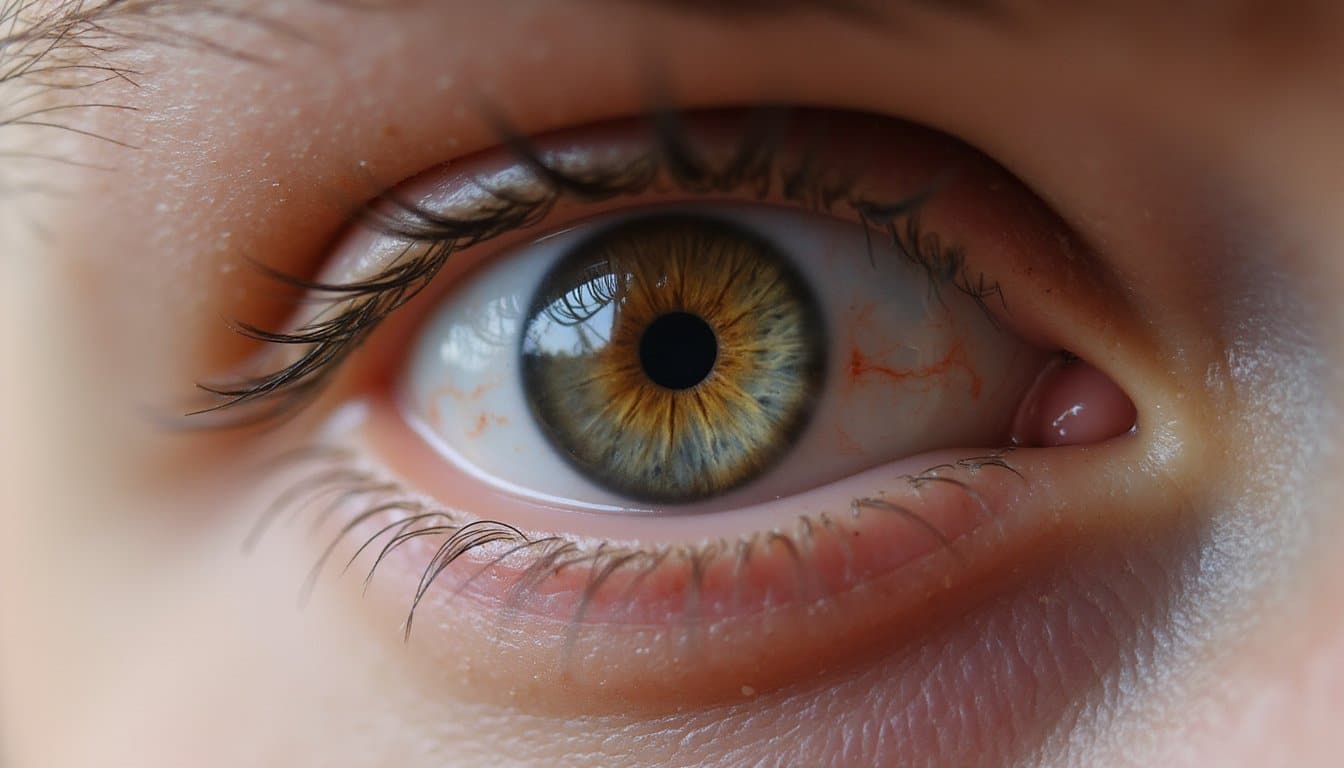
Among the most recognizable signs of cocaine intoxication, mydriasis, abnormal dilation of the pupils, stands out as a direct consequence of the drug’s sympathomimetic activity. Cocaine elevates norepinephrine levels, activating your sympathetic nervous system and causing the iris dilator muscle to overpower the sphincter’s constrictive force. This produces sustained pupil enlargement throughout active intoxication.
You’ll notice enlarged pupils allow excess light entry, heightening photosensitivity and altering your eye’s overall appearance. Pupils may look wide, glossy, and conspicuously dilated under direct observation. Alongside cocaine red eyes, this combination creates a distinctive ocular profile during intoxication. Because cocaine can also cause decreased corneal sensitivity, habitual users may sustain corneal damage without experiencing any symptoms, making comprehensive ophthalmic evaluation essential.
Dilation severity varies with dose, administration route, and individual physiology. However, mydriasis alone doesn’t confirm cocaine use, other stimulants and medical conditions produce similar findings. Accurate interpretation requires clinical context and thorough assessment.
Can Cocaine Smoke or Powder Damage Your Eyes?
Beyond pupil dilation and redness, direct contact with cocaine smoke or powder poses measurable risks to your eye’s delicate structures. Crack vapor and airborne particles can irritate your ocular surface, triggering inflammation and blood vessel dilation that produces bloodshot eyes cocaine users frequently report.
Key risks from direct exposure include:
- Corneal abrasion and keratitis: Powder particles can scratch your cornea, while smoke causes chemical inflammation, leading to pain, light sensitivity, and blurred vision.
- Tear-film disruption: Smoke suppresses blinking and dries your ocular surface, producing a gritty sensation and reflex tearing.
- Infection vulnerability: Surface damage weakens your eye’s protective barriers, increasing susceptibility to bacterial corneal ulcers and prolonged inflammation.
Repeated exposure compounds these effects, potentially progressing from surface irritation to vision-threatening complications.
Serious Eye Risks From Cocaine Use
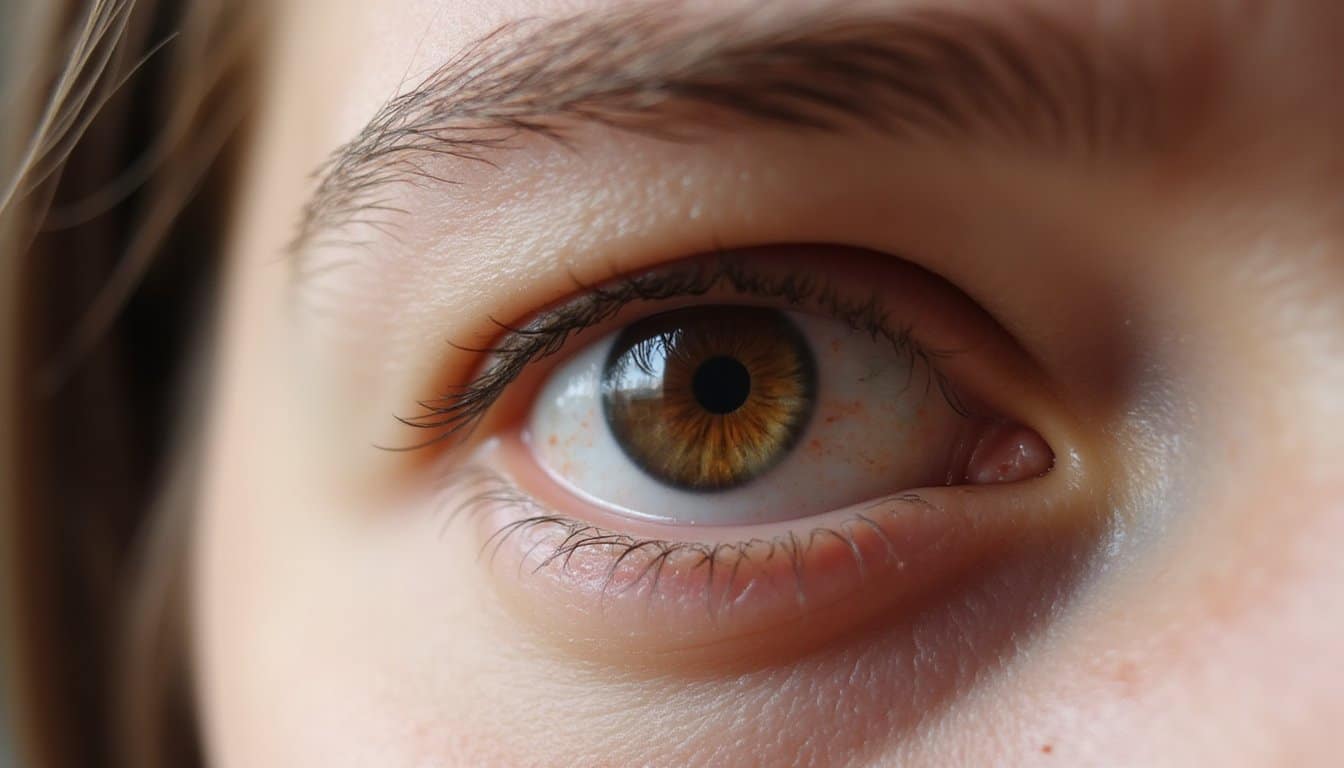
Though surface-level redness and irritation may seem minor, cocaine’s effects on your eyes can escalate into serious, vision-threatening conditions. Cocaine-induced vasoconstriction restricts blood flow to the retina and optic nerve, increasing your risk of ischemic injury. Chronic use can also elevate intraocular pressure, contributing to glaucoma and irreversible optic nerve damage. Beyond eye irritation, cocaine is linked to midline destructive lesions that can erode orbital bone and cause blindness. Longterm vision changes from cocaine can manifest as blurred vision or difficulty focusing.
| Condition | Risk to Vision |
|---|---|
| Retinal artery occlusion | Permanent vision loss |
| Neurotrophic keratitis | Corneal damage without pain |
| Glaucoma | Progressive optic nerve injury |
| Corneal ulcers | Infection and scarring |
| Midline destructive lesions | Orbital breakdown and blindness |
Early ophthalmic evaluation is critical, even without symptoms.
Are Red Eyes Always a Sign of Cocaine Use?
Red eyes can accompany cocaine use, but they’re far from a definitive marker. Conjunctival hyperemia, visible redness from dilated superficial blood vessels, has numerous etiologies. Red eyes are not unique to cocaine use, and attributing them solely to stimulant exposure risks misidentification.
Common non-cocaine causes of bloodshot eyes include:
- Allergic conjunctivitis, environmental irritants like smoke or dust, and prolonged contact lens wear
- Sleep deprivation, which reduces tear film stability and increases conjunctival vasodilation
- Alcohol or cannabis use, both of which produce observable scleral redness through distinct vascular mechanisms
You should evaluate redness alongside other clinical signs, mydriasis, psychomotor agitation, or tachycardia, before drawing conclusions. Isolated ocular redness without corroborating symptoms doesn’t reliably indicate cocaine involvement. Context and pattern recognition remain essential.
When to See a Doctor About Cocaine Eye Symptoms
Most acute ocular effects from cocaine, conjunctival hyperemia, mild dryness, transient mydriasis, resolve within one to two days as the drug clears your system. When symptoms persist beyond that window, you should seek clinical evaluation.
Consult a physician promptly if you experience persistent eye irritation cocaine use may cause, including corneal pain, foreign-body sensation, or worsening redness suggesting surface damage. Blurred vision or light sensitivity lasting beyond the acute phase may indicate retinal vascular injury requiring urgent assessment.
Seek emergency care immediately for sudden vision loss, severe ocular pain, or visual field deficits, these can signal retinal artery or vein occlusion. Eye symptoms accompanied by chest pain, severe headache, or neurologic changes like confusion or agitation also warrant immediate medical intervention.
Your New Beginning Is Just One Call Away
If you’ve noticed cocaine taking a visible toll on your body or someone you love, recovery is possible with the right care by your side. At Vive Treatment Centers in Washington, DC, our caring professionals deliver dependable Cocaine Addiction Treatment built around your unique needs and circumstances. Call (202) 506-3490 today and begin a healthier chapter in your life.
Frequently Asked Questions
How Long Do Red Eyes From Cocaine Typically Last?
Red eyes from cocaine typically last a few hours up to about six hours after use. If you’re sleep-deprived, dehydrated, or using repeatedly, you’ll likely notice redness persisting for several days. Your dose, metabolism, route of administration, and any adulterants also influence duration. If you’re experiencing prolonged redness accompanied by pain or vision changes, you shouldn’t attribute it to a temporary drug effect, you should seek medical evaluation promptly.
Can Eye Drops Help With Cocaine-Related Eye Redness?
Eye drops can temporarily reduce cocaine-related redness, but they won’t address the underlying cause. Artificial tears help if dryness or surface irritation is involved, while vasoconstrictor drops briefly whiten the conjunctival vessels. However, frequent use of decongestant drops can trigger rebound redness, worsening your symptoms over time. If you’re experiencing persistent redness alongside pain, vision changes, or light sensitivity, you shouldn’t rely on drops alone, seek a clinical evaluation promptly.
Does Mixing Cocaine With Alcohol Worsen Eye Redness?
Yes, mixing cocaine with alcohol can worsen eye redness. When you combine both substances, your body produces cocaethylene, which intensifies cardiovascular strain and prolongs toxic effects. Alcohol’s dehydrating properties dry out your conjunctival surface, while cocaine’s vasoconstrictive action stresses small ocular blood vessels, together amplifying visible redness and irritation. You’ll also experience greater blood pressure elevation, making scleral vessels more engorged and prominent than either substance would cause alone.
Can Cocaine Use Cause Permanent Changes to Eye Color?
Cocaine doesn’t permanently change your actual iris color. The pigment in your iris remains unaffected by stimulant use. What you might notice are temporary optical effects, dilated pupils, bloodshot sclera, and tissue irritation can alter how your eyes appear without changing true pigmentation. However, chronic use can cause permanent ocular damage, including corneal ulcers, neurotrophic keratitis, and retinal vascular occlusion. If you notice lasting eye changes, you should seek medical evaluation for non-drug-related causes.
Are Contact Lens Wearers More Vulnerable to Cocaine Eye Effects?
Yes, you’re more vulnerable if you wear contact lenses. Lenses can trap cocaine particles or irritants against your cornea, worsening dryness and surface friction. Since cocaine reduces corneal sensitivity, you may not notice epithelial breakdown, abrasions, or early ulceration forming beneath the lens. You might also misattribute cocaine-related redness to routine lens discomfort, delaying care. Remove your lenses immediately if you experience burning, redness, or vision changes after cocaine exposure.