






White and green kratom differ fundamentally in leaf maturity, alkaloid composition, and drying method. White vein comes from younger leaves, producing elevated mitragynine and a sharper stimulant profile. Green vein uses semi-mature leaves, yielding a more balanced blend of stimulating and relaxing alkaloids. White kratom hits faster with a noticeable peak and decline, while green builds gradually and sustains longer. Understanding these biochemical distinctions helps you make a more precise, informed choice, and there’s considerably more to unpack. Among the various strains of white kratom, consumers often report enhanced focus and energy, making it a popular choice for those needing a mental boost. Additionally, the unique properties of specific white strains can vary significantly, offering users a range of experiences depending on the source and quality. The growing interest in these strains has prompted more cultivation research to ensure optimal effects and safety.
What’s the Real Difference Between White and Green Kratom?
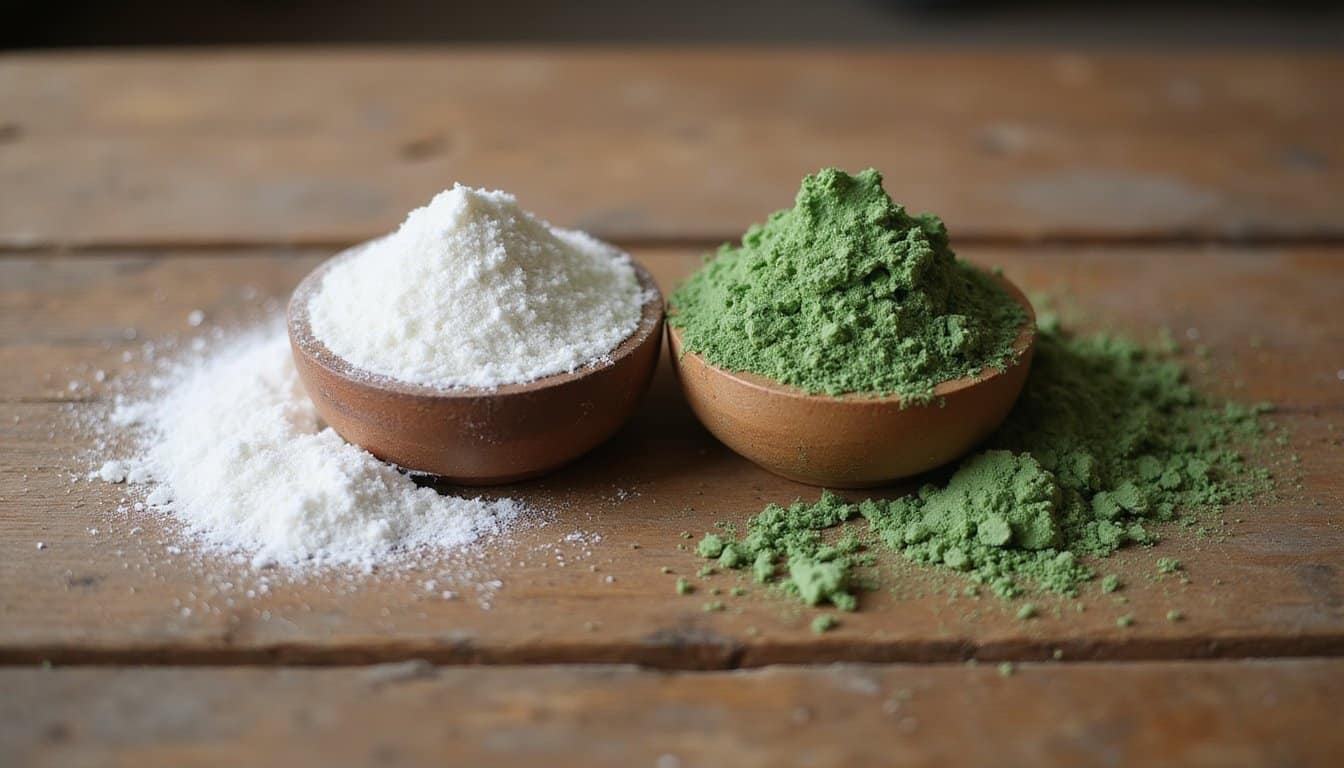
Although both originate from the same *Mitragyna speciosa* plant, white and green kratom differ in leaf maturity, alkaloid profile, and processing methods, and these distinctions translate directly into the effects you’ll experience. White vein kratom uses younger leaves harvested at an earlier growth stage, producing a sharper alkaloid profile linked to stimulation and focus. Green kratom, by contrast, comes from semi-mature leaves, yielding a more balanced alkaloid distribution between energizing and relaxing properties. In any kratom strains comparison, these maturity-based differences are foundational. White vein kratom delivers faster onset with a noticeable peak and decline, while green kratom builds more gradually and tapers without sharp crashes. Green kratom’s vibrant hue is a direct result of higher Mitragynine levels, which are carefully preserved through a specialized drying process. Understanding these distinctions helps you select the vein type that aligns with your intended outcomes.
How White and Green Kratom Differ in Alkaloid Composition
When you compare white and green kratom, you’ll find that their alkaloid compositions aren’t identical, even though both come from the same plant. Mitragynine, the dominant alkaloid, can range from roughly 12% in some Malaysian varieties to as high as 66% in Thai strains, and the specific vein type you’re working with influences where a given product falls within that range. Beyond mitragynine concentration, the broader alkaloid profile, including secondary compounds like speciogynine, paynantheine, and oxindole alkaloids, also shifts depending on leaf maturity and processing method, both of which differ between white and green varieties. Kratom belongs to the Rubiaceae family, a plant family that also includes other species known for their notable alkaloid profiles.
Mitragynine Concentration Differences
Mitragynine, the primary active alkaloid in kratom, differs measurably between white and green vein varieties, and that difference has direct implications for how each type functions. White vein kratom typically contains higher mitragynine concentrations, ranging from 2.20, 2.50% in tested kratom white strain products like Rogue Rhino White. This elevation stems from earlier harvesting of younger leaves, where mitragynine accumulates at peak levels. Green vein mitragyna speciosa strains generally range between 1.85, 2.50%, reflecting a slightly later harvest stage that moderates alkaloid concentration. That measurable gap supports the functional contrast you’ll notice between these two types, white strains delivering stronger stimulation and focus, while greens provide a more moderate, balanced effect. Lab variance across brands does exist, so batch-specific testing remains the most reliable reference point. White vein kratom is derived from young Mitragyna Speciosa leaves that are dried in the open air under controlled conditions, a process that directly influences its higher mitragynine content and characteristically mild yet energizing alkaloid profile.
Alkaloid Profile Variations
Mitragynine concentration tells only part of the story, the broader alkaloid profile separating white and green kratom runs deeper than a single compound. White vein kratom carries elevated speciogynine and paynantheine alongside reduced 7-hydroxymitragynine, producing a sharper, stimulating alkaloid profile. Green kratom balances speciociliatine, corynoxine A and B, paynantheine, and enough 7-hydroxymitragynine to moderate energy without inducing sedation.
| Alkaloid | White Vein Kratom | Green Kratom |
|---|---|---|
| 7-Hydroxymitragynine | Lower concentration | Moderate concentration |
| Speciogynine | Higher concentration | Balanced concentration |
| Corynoxine A & B | Minimal presence | Notable presence |
You’ll notice these distinctions directly reflect harvest stage and drying method. Each alkaloid profile isn’t accidental, it’s shaped by deliberate processing decisions that define what separates these two vein types analytically.
How White and Green Kratom Are Harvested and Dried
When comparing white and green kratom, you’ll find that leaf maturity at harvest is a primary differentiating factor, with younger leaves typically yielding white vein varieties and more developed leaves processed into green vein products. You can expect that growers monitor vein color and leaf development closely, as these markers indicate the alkaloid profile that will characterize the final product. Indoor drying methods, using fan-assisted dark rooms with controlled air circulation, then allow producers to preserve and refine those distinct alkaloid compositions without the degrading effects of uncontrolled UV exposure.
Leaf Maturity and Harvesting
Leaf maturity at harvest is one of the most influential variables separating white and green kratom. White vein kratom comes from younger leaves, typically 2, 3 months old, where full alkaloid accumulation hasn’t yet occurred. This early harvest stage preserves a stimulating alkaloid profile dominated by higher mitragynine concentrations. You’ll notice that selective hand-picking during the dry season, April through October, safeguards consistency in potency.
Green kratom, by contrast, uses mid-mature leaves harvested before full maturation. This intermediate stage allows partial alkaloid development, producing a more balanced chemical composition. Hand-picking in thin layers maintains yield consistency while targeting that precise maturity window.
Leaf maturity consequently functions as a primary biochemical determinant, directly shaping the alkaloid distribution that differentiates white and green kratom at the molecular level.
Indoor Drying Methods
Once leaves are harvested at their target maturity stage, how they’re dried determines whether that alkaloid profile is preserved or degraded. Indoor drying methods apply precise temperature regulation between 100°F and 140°F, minimizing oxidation that would otherwise alter both color and chemical composition. For white and green vein varieties, controlled indoor environments directly support alkaloid preservation by limiting UV exposure and humidity.
Three critical factors define effective indoor drying:
- Airflow management, single-layer rack positioning with industrial fans removes moisture evenly without damaging leaf structure
- Humidity control, lowest possible settings prevent mold formation across 2, 7 day drying cycles
- Light exclusion, dark holding rooms shield leaves from UV-driven mitragynine degradation
These variables work together to deliver consistent, predictable alkaloid profiles across batches.
Energy Effects: White Kratom vs Green Kratom
Energy intensity represents one of the most defining contrasts between white and green kratom. If you’re seeking maximum stimulation, white vein kratom delivers sharp, focused energy driven by higher mitragynine concentrations. Its effects onset quickly, producing a noticeable peak followed by a faster decline, similar to a coffee-like uplift. Overstimulation remains a documented risk with white vein kratom at higher doses.
Green vein kratom, by contrast, offers moderate energy effects that build gradually and sustain longer. Its alkaloid profile tempers stimulation with mild relaxation compounds, producing smooth, balanced output without jitteriness. You’ll find green vein kratom better suited for extended daytime use when steady motivation matters more than intensity. Understanding these energy effects helps you select the vein type aligned with your specific cognitive and physical demands.
Physical vs Mental Effects of White and Green Kratom
Beyond energy output, white and green kratom diverge sharply in how they affect mental clarity and physical function. White vein kratom targets mental stimulation, heightening alertness and mood while risking jitteriness or “wobbles” at higher doses. Green kratom, by contrast, delivers measurable physical analgesia alongside mental calm, making it effective for pain tolerance and anxiety reduction.
Key distinctions you’ll notice:
- White kratom can trigger restless legs, night sweats, and stimulant-like overstimulation, mental drive at a physical cost.
- Green kratom enhances pain tolerance and eases gastrointestinal symptoms without aggressive stimulation.
- Both strains offer anxiolytic and mood-elevating benefits, but white kratom prioritizes mental sharpness while green kratom balances psychological relief with physical comfort.
Dose remains the critical variable governing intensity across both profiles.
How Fast Do White and Green Kratom Kick In?
How quickly kratom takes effect depends on the strain you’re using and several physiological variables that directly shape absorption speed. White vein kratom typically kicks in within 15, 30 minutes, reflecting its younger leaf harvest and faster-acting alkaloid profile. Green kratom follows slightly behind, with onset generally occurring around 30 minutes post-ingestion, though it still falls within the standard kratom onset window of 15, 45 minutes.
Your consumption method also matters. Powder absorbs in 15, 30 minutes on an empty stomach, while capsules require 25, 45 minutes due to shell dissolution. Food delays absorption by 30, 60 minutes. Hydration and body weight further influence timing. Roughly 79.8% of regular users report feeling effects within 15, 60 minutes, regardless of strain selection. Your consumption method also matters, as it directly ties into the Factors influencing shroom trip time, including absorption rate and bioavailability. Powder absorbs in 15, 30 minutes on an empty stomach, while capsules require 25, 45 minutes due to shell dissolution, and food can delay absorption by 30, 60 minutes. Hydration and body weight further influence timing, with roughly 79.8% of regular users reporting effects within 15, 60 minutes, regardless of strain selection.
White vs Green Kratom for Focus and Productivity
When comparing white and green kratom for focus and productivity, the distinction comes down to energy quality and duration.
White vein kratom delivers sharp, intense concentration suited for cognitively demanding tasks, while green offers steady, sustained attention without overstimulation risk. white borneo kratom effects can provide a unique blend of energy and relaxation, making it an appealing choice for those seeking a balanced approach. Many users report enhanced mood and clarity, which can be particularly beneficial during long, monotonous tasks. This strain may also help reduce discomfort, allowing for a more focused and productive experience.
White kratom sharpens focus intensely; green sustains it steadily, each serving a distinct cognitive demand.
Consider how each strain serves your productivity needs:
- White kratom spikes mental alertness rapidly, driving peak performance during high-pressure work sessions.
- Green kratom maintains smooth, consistent focus across longer timeframes, reducing cognitive fatigue throughout your day.
- Overstimulation risk is measurably higher with white vein kratom, making green the safer choice for extended creative or analytical work.
If you need maximum drive for short bursts, white vein kratom performs. If sustained productivity matters more, green’s balanced alkaloid profile supports you longer.
Which Situations Call for White Kratom vs Green Kratom?
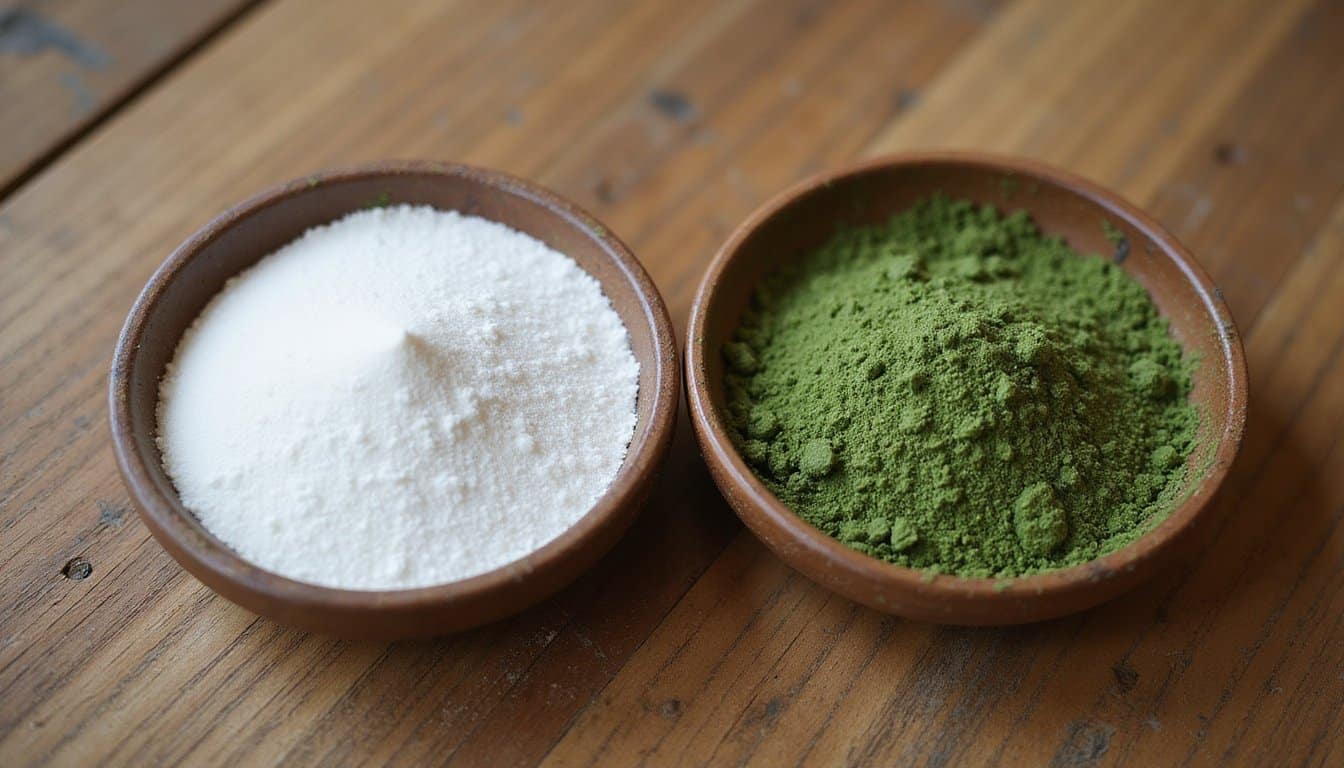
Choosing between white and green kratom extends past productivity metrics into the broader context of daily life demands. If you’re facing urgent deadlines or high-intensity tasks requiring immediate sharpness, white vein kratom‘s fast onset and focused stimulation align with those short-burst needs. However, its lack of calming properties makes it unsuitable for social settings or relaxed interactions. Green vein kratom‘s balanced alkaloid profile serves you better across versatile scenarios, social engagements, prolonged activities, and beginner use. Among kratom vein types, green delivers sustained motivation without overstimulation, making it practical for full-day performance. White kratom risks intensity buildup in extended or low-key situations, while green hybridizes uplifting and mellowing properties. Match your choice to situational demands rather than general preference.
How Do You Choose Between White and Green Kratom?
Selecting between white and green kratom requires you to evaluate several practical variables tied to your energy demands, cognitive needs, and tolerance level. Each kratom vein type delivers a distinct alkaloid profile that shapes your experience differently.
Consider these decisive factors:
- Energy intensity, Choose white kratom if you need sharp, high-output stimulation; select green kratom for smooth, sustained energy without overstimulation risk.
- Cognitive duration, White kratom peaks fast and declines noticeably, while green kratom builds gradually and tapers gently, supporting prolonged mental performance.
- Tolerance threshold, Beginners benefit from green kratom’s balanced, moderate profile; experienced users handle white kratom’s pronounced stimulation more effectively.
If you’re uncertain, start with green kratom and escalate only when you need greater intensity.
Help Is One Call Away
Struggling with Cannabis addiction doesn’t have to be a journey you take alone. At Vive Treatment Centers, we offer compassionate Marijuana Addiction Treatment and a flexible Intensive Outpatient Program (IOP) to help you take control and move toward lasting recovery. Call (202) 506-3490 today and take the first step toward a healthier life.
Frequently Asked Questions
Can White and Green Kratom Be Safely Combined Together?
Combining white and green kratom carries notable risks you shouldn’t overlook. While the combination may seem moderate since both strains differ from sedating reds, mixing them makes dosage harder to gauge and can intensify side effects like nausea or dizziness. You’ll also find it difficult to isolate individual reactions. The FDA advises against kratom use entirely due to risks including liver toxicity, seizures, and dependence potential, with no research confirming safe combination protocols.
How Do White and Green Kratom Interact With Common Medications?
Both white and green kratom interact profoundly with common medications through shared mechanisms. They inhibit CYP2D6, CYP3A4, and CYP1A2 enzymes, meaning you’re risking elevated drug concentrations in your system. You’ll face heightened dangers when combining either type with opioids, benzodiazepines, or antidepressants. Serotonin syndrome becomes a real concern with serotonergic drugs, while cardiovascular medications like beta-blockers and ACE inhibitors may behave unpredictably. Always consult your healthcare provider before mixing kratom with any prescription medication.
Are There Any Notable Side Effects Unique to Each Vein Color?
Based on available evidence, you won’t find clinically documented side effects that are uniquely isolated to white versus green vein kratom. Both share kratom’s general adverse effect profile, including nausea, dizziness, and dependency risk. However, you may notice white vein’s stimulating alkaloid profile could amplify anxiety or restlessness, while green vein’s balanced composition might produce milder versions of those effects. Current research doesn’t yet confirm vein-specific pharmacological distinctions with sufficient empirical rigor.
How Should White and Green Kratom Be Properly Stored Long-Term?
Store both white and green kratom in airtight glass jars or vacuum-sealed bags to prevent alkaloid degradation. You’ll want to maintain temperatures between 20-25°C, keep humidity below 60%, and choose dark locations like pantries or cabinets for UV protection. Include oxygen absorbers in bulk containers, label everything with strain names and dates, and separate your varieties to preserve their distinct alkaloid profiles and prevent cross-contamination.
Do White and Green Kratom Differ in Recommended Serving Sizes?
Yes, white and green kratom do differ in recommended serving sizes. You’ll find that white vein kratom performs best at lower doses between 1, 4 grams, where it delivers stimulating, focus-enhancing effects without overstimulation. Green vein kratom, however, accommodates a wider range of 1, 7 grams, offering balanced effects across multiple serving levels. You should start conservatively with either variety, incrementally adjusting your intake based on your experience level and desired outcome.