









As individuals emerge from the haze of substance abuse, they often find themselves struggling with feelings of isolation, having pushed away healthy relationships or facing challenges in forming new connections while in recovery. However, conquering loneliness is not only achievable but essential for sustaining long-term sobriety and creating a meaningful life beyond addiction.
This article explores five powerful strategies to overcome loneliness during the journey of recovery.

Support Groups
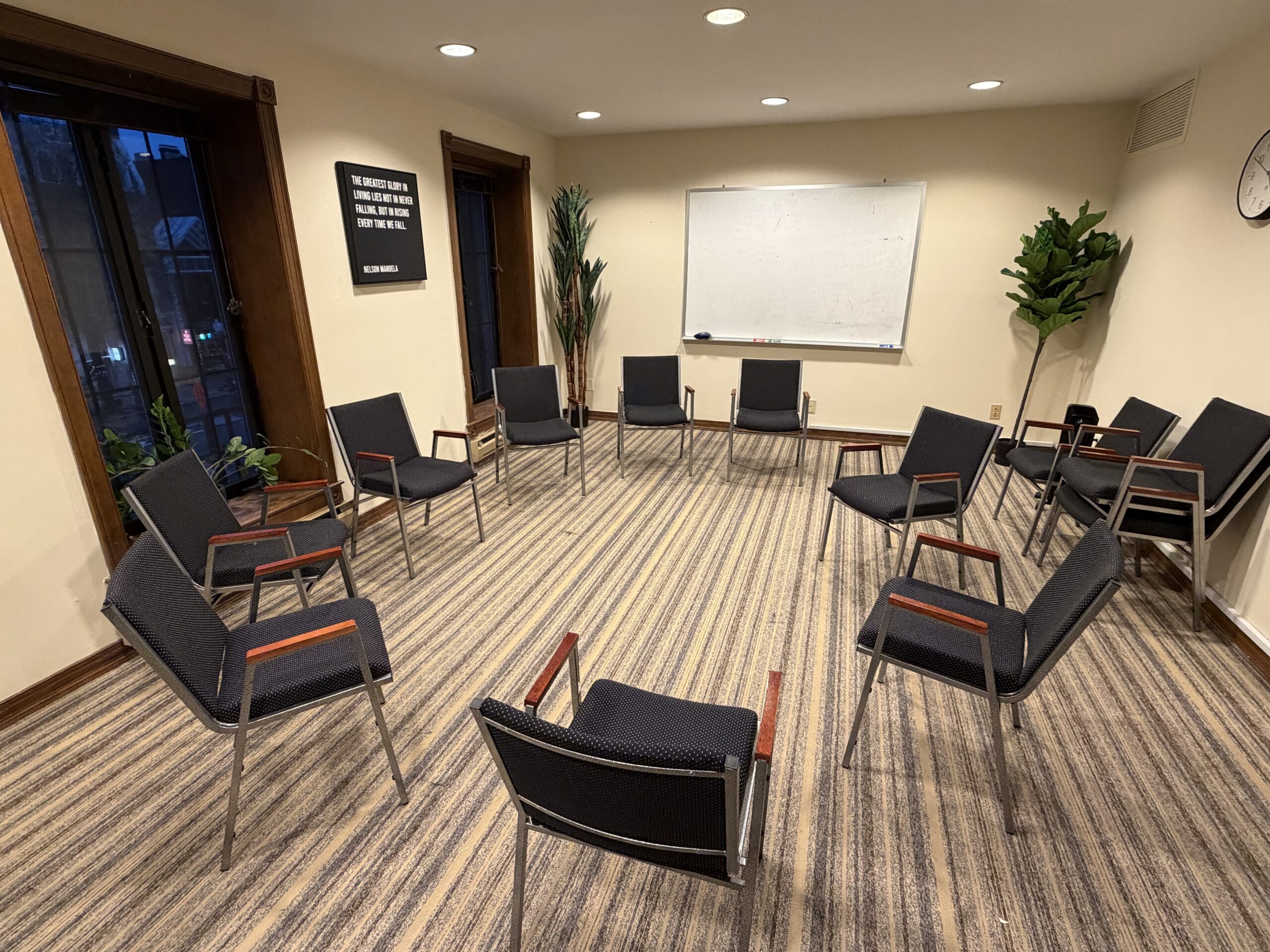
Support groups provide a safe space where you can share your experiences with others who understand your struggles, fostering a sense of connection and reducing feelings of isolation.
By regularly attending meetings, you’ll become part of a supportive community that helps alleviate loneliness and promotes emotional well-being.
Many support groups utilize a peer-driven approach, encouraging members to provide emotional support and encouragement to one another. This enhances feelings of belonging and acceptance, which are crucial for overcoming loneliness in addiction recovery.
Engaging in these groups also improves accountability for your sobriety, as fellow members often hold each other responsible for their recovery goals and progress.
Whether you have just started your addiction treatment or you’re navigating life post-rehab, you can seek extra professional support for battling loneliness here: https://vivetreatmentcenters.com/intensive-outpatient-program-dc-2/
Volunteer Opportunities
Engaging in volunteer opportunities not only helps you make new friends but also provides a sense of purpose and fulfillment. By contributing to causes you care about, you’ll find yourself surrounded by like-minded individuals who share your values, fostering a supportive network that can help combat feelings of loneliness.
Volunteering offers numerous benefits, especially in early recovery when social support is crucial. It allows you to develop new skills, boost your self-esteem, and create meaningful connections with others.
Whether you’re helping at a local animal shelter, assisting with a community cleanup, or mentoring youth, you’ll have the chance to interact with people from diverse backgrounds and expand your social circle.
Sober Social Events
These gatherings provide a safe and supportive environment where you can engage in enjoyable activities, share experiences, and form meaningful relationships. By participating in sober social events, you’ll find yourself surrounded by like-minded individuals who understand the challenges and triumphs of addiction recovery.
Attending these events can significantly reduce feelings of loneliness and isolation, as you’ll be able to relate to others who are also navigating the path of sobriety.
Whether it’s a potluck, game night, or group outing, sober social events help you build a strong support network that reinforces your commitment to sobriety.
As you engage in these activities, you’ll discover that it’s possible to have fun, laugh, and create lasting memories without the need for substances.
Rebuilding Relationships
Taking the initiative to make amends and openly communicate about past behaviors is crucial in fostering trust and understanding with those affected by your addiction. It’s important to express genuine remorse and actively work towards repairing these connections.
Identify and distance yourself from toxic relationships that may trigger cravings or negatively impact your sobriety, making room for healthier connections.
Reconnecting with supportive family and friends can provide a strong foundation, enhancing feelings of belonging and reducing isolation.
Engage in shared interests and group activities to strengthen these rebuilt bonds and create positive experiences together.

Exploring Hobbies
When you feel lonely, engaging in hobbies can help combat loneliness by keeping your mind focused on productive activities.
Exploring group-based hobbies, such as team sports or art classes, allows you to meet people who share similar interests, fostering a sense of belonging and community. Participating in physical activities like hiking or dancing not only promotes your physical health but also releases endorphins, improving your mood and reducing feelings of isolation.
By actively pursuing hobbies, you’ll find yourself forming new connections and friendships that are vital for your emotional well-being during this transitional phase.
Final Thoughts from Vive Treatment Centers
At Vive Treatment Centers, our Intensive Outpatient Program in Washington, DC is designed to provide you with the tools and support needed to address loneliness and other challenges in recovery. Our experienced team offers comprehensive care, including group therapy sessions and individual counseling, to help you build the skills necessary for lasting sobriety and meaningful relationships.