








Intensive Outpatient Programs (IOP) have emerged as an effective treatment option for individuals struggling with addiction and mental health issues. These programs provide a structured and comprehensive approach to treatment while allowing patients to maintain their daily responsibilities and live at home. One important aspect of IOP that is often overlooked is the role of family involvement in the treatment process. Family support and participation can significantly enhance treatment outcomes, improve the recovery environment, and foster long-term success for individuals in IOP. This article will explore the various ways in which family involvement contributes to the effectiveness of Intensive Outpatient Programs and provide strategies for encouraging and facilitating family participation in the treatment journey.

Family Involvement
Family involvement plays a crucial role in the success of Intensive Outpatient Programs (IOPs) for addiction and mental health treatment. By providing essential emotional support, understanding, and encouragement, family members can significantly enhance the recovery process and improve treatment outcomes for their loved ones.
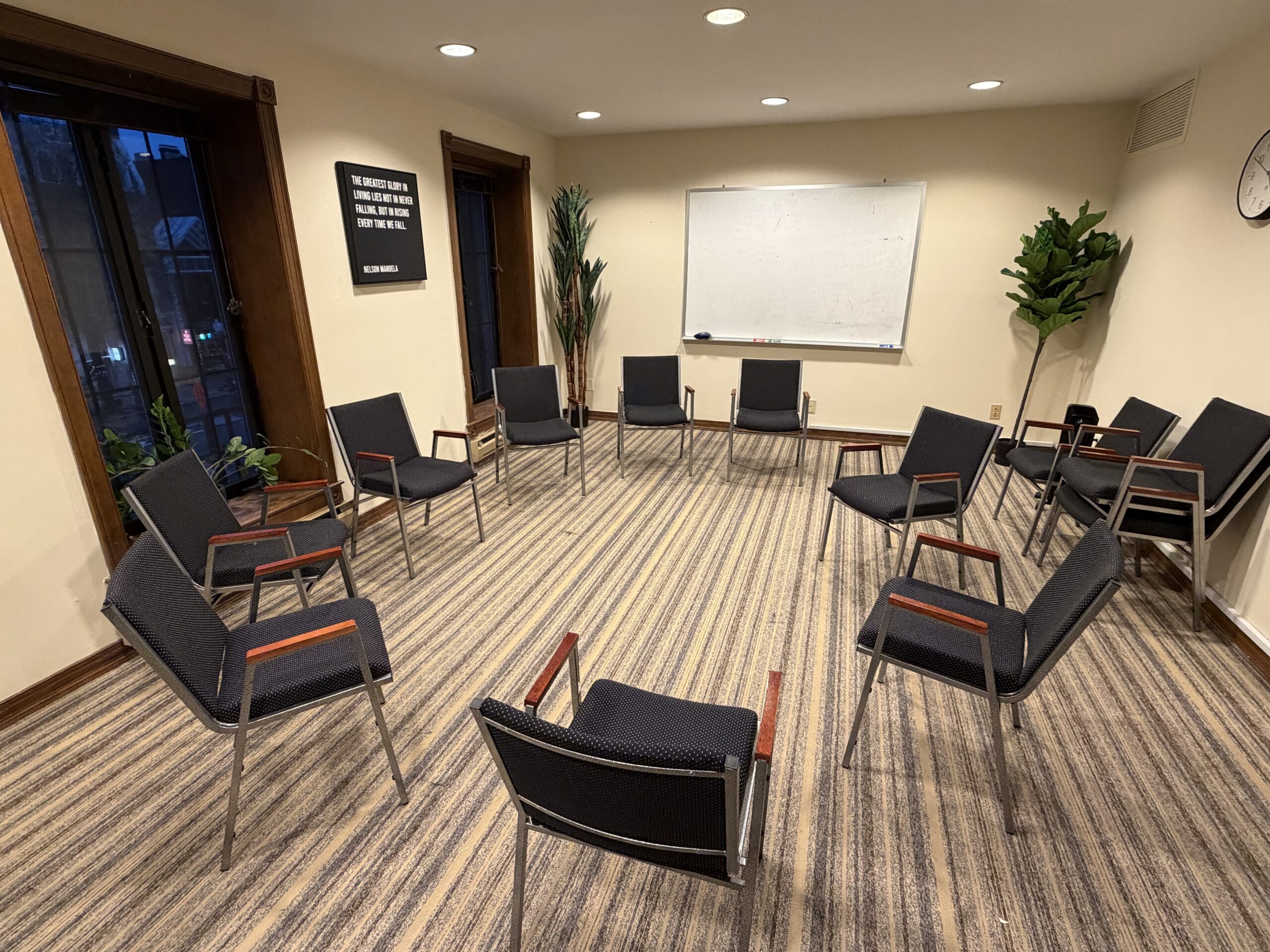
Family members can contribute to a positive recovery environment by educating themselves about addiction and mental health, fostering a supportive and nurturing home atmosphere, reducing stigma, and encouraging open communication. IOPs often incorporate family therapy sessions, which provide a safe space for addressing family dynamics, improving communication skills, and educating families about the recovery process.
Improved Treatment Outcomes
Family involvement in Intensive Outpatient Programs (IOPs) has been found to have a positive impact on treatment outcomes. Research suggests that when family members actively participate in the recovery process, individuals in IOPs are more likely to successfully complete their treatment. Studies have shown that family support is associated with higher rates of treatment completion, which is important for long-term recovery success. At Vive Treatment Centers, we actively incorporate family involvement in our Intensive Outpatient Programs in Washington, DC, through family therapy sessions, educational workshops, and support groups that empower families to play a vital role in their loved one’s recovery journey.
Incorporating family therapy into IOPs has been linked to lower relapse rates and increased adherence to treatment plans. Through addressing communication issues and promoting family cohesion, therapy sessions help strengthen the support system for the individual in recovery. Family engagement also contributes to reducing the risk of dropout by boosting motivation and accountability.
Emotional and Psychological Support
Family members can provide emotional and psychological support to their loved ones participating in Intensive Outpatient Programs (IOPs). By offering understanding, empathy, and encouragement, families create a strong support system that can significantly enhance the recovery process. Their presence and involvement help reduce feelings of isolation and loneliness, which are common among individuals struggling with mental health or addiction issues. Family members who actively participate in the treatment journey demonstrate their commitment to their loved one’s well-being, fostering a sense of belonging and motivation to persist through the challenges of recovery. This emotional and psychological support from family is a crucial factor in improving treatment outcomes and promoting long-term success in IOP.
Challenges and Considerations
While family involvement in Intensive Outpatient Programs (IOPs) can be highly beneficial, it is essential to acknowledge and address the potential challenges and considerations that may arise. One significant challenge is the presence of unhealthy family dynamics, such as codependency, enabling behaviors, or unresolved conflicts. These dynamics can hinder the recovery process and create additional stress for both the individual in treatment and their family members. To mitigate these issues, it is essential to set clear boundaries and establish a healthy balance between family involvement and individual autonomy. Family members should be encouraged to support their loved one’s recovery journey while also respecting their personal space and decision-making process.
Another important consideration is the role of cultural barriers and beliefs in family involvement. Different cultures may have varying attitudes towards addiction, mental health, and family roles, which can impact the level of family engagement in treatment. Some cultures may stigmatize addiction or view it as a moral failing, making it challenging for family members to openly discuss the issue and seek support. Additionally, cultural norms around family hierarchy, gender roles, and communication styles can influence how family members interact with the treatment process.

Strategies for Effective Family Involvement
Intensive Outpatient Programs provide structured approaches to enhance family involvement within the context of a supportive recovery setting. Effective communication plays a pivotal role in facilitating discussions where family members can openly share their perspectives and emotions in a secure environment. Through family therapy sessions, participants gain insights into the science of addiction and acquire adaptive strategies collectively, fostering a deeper comprehension of the recovery journey.
Balancing constructive assistance with the avoidance of behaviors that enable addiction is critical. IOPs offer guidance on nurturing a positive home atmosphere by engaging in wholesome activities and creating opportunities for meaningful familial interactions. This may involve scheduling regular family meals, organizing sober social outings, or engaging in shared hobbies to strengthen familial bonds.
Final Thoughts From Vive Treatment Centers On The Role Of Family in IOP
Your family’s involvement in your Intensive Outpatient Program is essential for a successful recovery. By providing support, creating a positive recovery environment, and actively participating in the treatment process, families can significantly improve treatment outcomes and promote long-term recovery. Despite potential challenges, the benefits of family involvement far outweigh the difficulties. IOPs should actively encourage and facilitate family participation, recognizing the vital role families play in the recovery journey. Through collaboration and understanding, individuals in treatment and their families can build a strong foundation for lasting recovery and improved well-being.