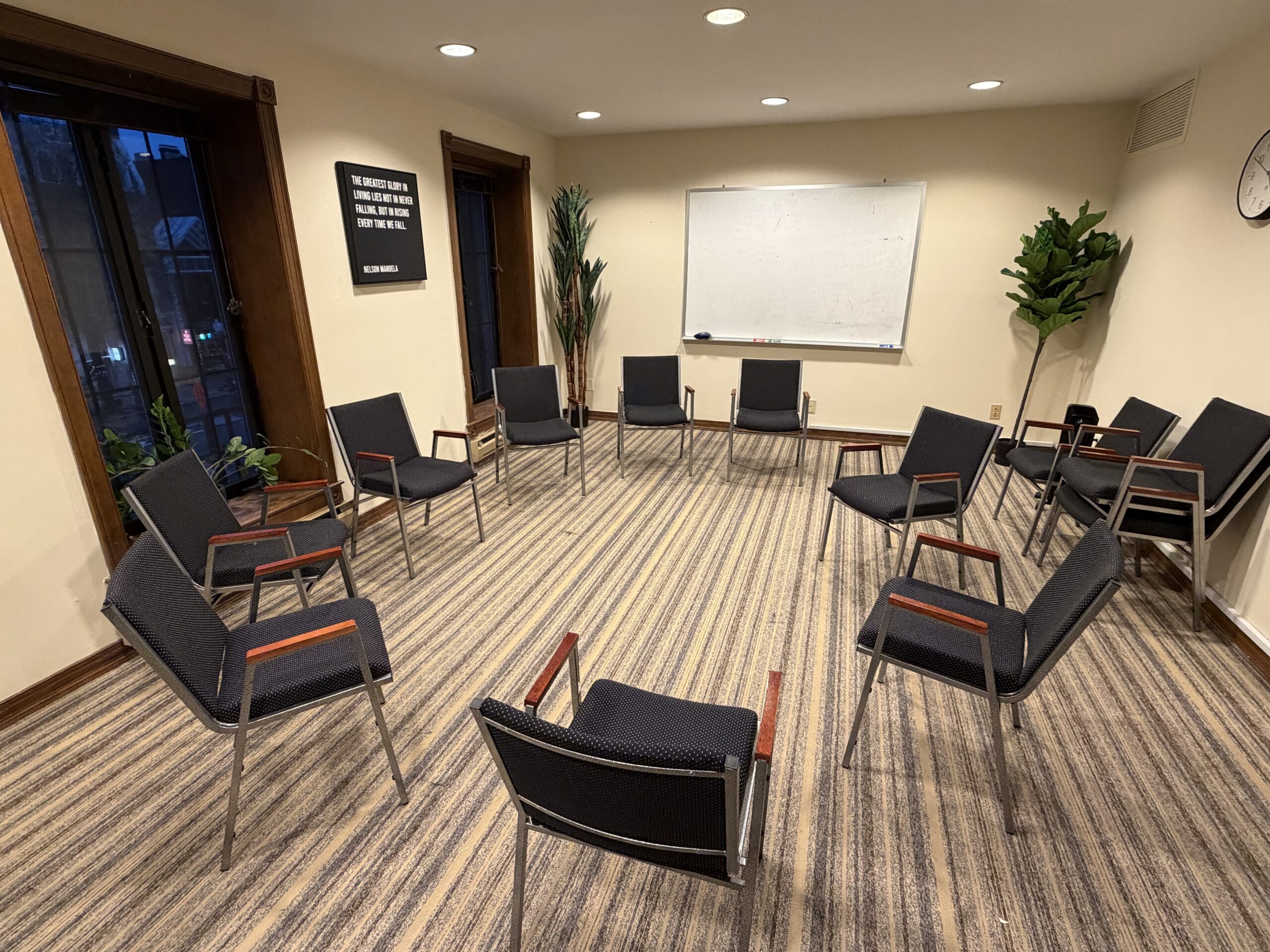








A key element of Intensive Outpatient Programs is group therapy, which creates a lively environment for individuals to share their experiences, gain insights, and develop vital coping skills.
This article examines the various topics discussed in IOP group sessions, highlighting how they contribute to personal growth, emotional resilience, and long-term recovery. By understanding these group topics, participants can better navigate their recovery journey and cultivate a supportive community that promotes healing and transformation.
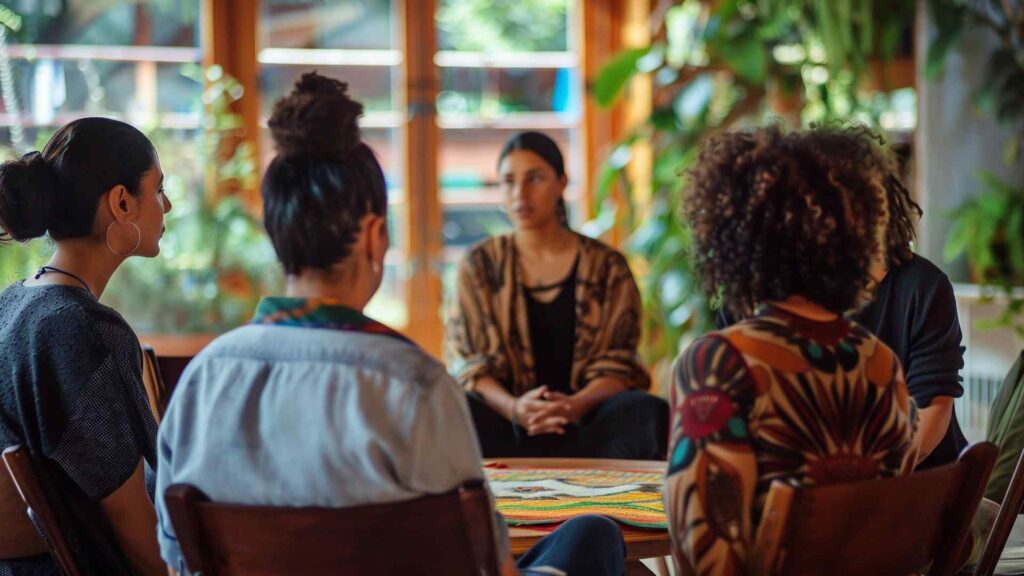
Key Group Therapy Topics in IOPs
The following topics are carefully selected to support participants in their journey towards well-being and lasting positive change.
Avoidance and Coping Mechanisms
Why do we often turn to avoidance when faced with challenging emotions or situations? It’s a common coping mechanism that may provide temporary relief but can lead to negative outcomes, such as increased anxiety and depression.
Engaging in avoidance behaviors can prolong mental health struggles, preventing you from confronting and addressing your underlying issues.
In group therapy sessions, you’ll explore the triggers that lead to avoidance and discuss the impact these behaviors have on your recovery journey.
Mindfulness and grounding techniques are effective strategies for countering avoidance, helping you stay present and manage overwhelming feelings in a supportive environment.
Sharing personal experiences related to avoidance fosters mutual understanding among group members, encouraging the development of healthier coping mechanisms and collective growth.
Our team at Vive Treatment Centers will help you overcome substance abuse issues through our Intensive Outpatient Programs in DC.
Goal Setting and Personal Growth
Throughout your IOP journey you’ll learn to set specific and measurable goals, which will enhance your focus and motivation, allowing you to track your progress effectively. Your support group will help you create structured roadmaps, providing direction and purpose as you navigate the recovery process.
As you work towards achieving your personal goals, you’ll experience a significant boost in self-esteem and overall well-being.
This positive reinforcement will encourage you to maintain healthy behaviors and celebrate your accomplishments. Your IOP peers will play a crucial role in identifying actionable steps towards your objectives, fostering a collaborative environment for accountability and encouragement.
It is highly important get your best foot forward when entering addiction treatment, that’s why it’s vital to know How to Prepare for an Intensive Outpatient Program properly.
Relationship Dynamics and Communication
Exploring communication patterns within the therapeutic setting can significantly improve your relationship dynamics, fostering understanding and empathy among participants. You’ll learn active listening techniques to enhance emotional connections and facilitate healthier interactions with others.
Identifying and addressing unhealthy relationship behaviors is crucial, as it allows you to develop more constructive ways of relating to others. Setting and respecting personal boundaries during group discussions helps create a safe environment, which is essential for open communication and trust-building.
Discussions on trust and intimacy in relationships can lead to deeper emotional connections and promote healthier interpersonal relationships.
Read more about The Role of Family in IOPs and how it contributes to the effectiveness of the treatment.
Emotional and Psychological Health
IOPs provide structured environments where you can address mental health conditions like anxiety, depression, and PTSD. By sharing experiences in group therapy, you’ll enhance understanding among peers and reduce feelings of isolation, fostering emotional wellness in a supportive environment.
You’ll learn emotional regulation skills and challenge negative thought patterns through techniques such as Acceptance and Commitment Therapy (ACT) and Cognitive Behavioral Therapy (CBT). IOPs emphasize developing your emotional intelligence, equipping you with the tools to manage emotions effectively and adapt to life’s challenges.
Trauma and Recovery
Trauma recovery represents a key focus area within IOPs, recognizing the profound impact of traumatic experiences on an individual’s overall well-being.
By engaging in open and honest discussions with others who’ve faced similar challenges, you’ll begin to understand that you’re not alone in your struggles.
These group conversations will help you work through the emotional aftermath of trauma, providing opportunities to share your story and gain valuable insights from your peers. Throughout the therapy process, you’ll learn to manage the mental health challenges that often accompany trauma, such as anxiety and depression.
Specialized Group Topics
These specialized groups allow you to connect with others who share similar experiences, fostering a sense of belonging and understanding.
Substance Abuse and Dual Diagnosis
Substance abuse and dual diagnosis require an integrated treatment approach that simultaneously tackles both the substance use disorder and the co-occurring mental health condition. By incorporating group therapy topics that focus on developing coping skills, managing triggers, and promoting emotional regulation, IOPs can provide the necessary support and guidance for individuals navigating the path to recovery.
It’s important to recognize that nearly half of those with severe mental disorders also struggle with substance abuse, emphasizing the need for comprehensive behavioral health interventions.
Group settings offer a safe space for individuals to share their experiences, learn from their peers, and build a strong support network. Through targeted discussions and skill-building activities, participants can gain valuable insights into their own recovery journey while fostering a sense of community and understanding.

Cultural and Identity-Based Groups
These groups provide a supportive environment where you can explore issues related to your cultural identity, such as race, ethnicity, gender identity, and sexual orientation.
By participating in discussions about the impact of systemic oppression and discrimination, you’ll develop a sense of belonging and empowerment within your community.
Sharing personal experiences in a safe space fosters resilience through shared narratives. Culturally tailored interventions can enhance your treatment engagement and outcomes by acknowledging and integrating your values and practices.
Participating in these specialized groups leads to improved self-acceptance, emotional well-being, and community connection, which are essential for effective recovery and personal growth.
Techniques and Activities in Group Therapy
Group therapy activities often include structured exercises like role-playing scenarios, allowing individuals to practice new coping skills and gain insights into their personal struggles. Techniques from Acceptance and Commitment Therapy (ACT) and Cognitive Behavioral Therapy (CBT) are integrated into sessions, helping participants understand and manage their thoughts and emotions effectively.
To facilitate emotional regulation and awareness during group discussions, mindfulness and grounding exercises are frequently employed. Interactive games, such as the Anger Dice Game and Color-coded Jenga, encourage emotional expression and improve communication among group members.
Self-awareness worksheets and reflective activities are also integral to group therapy, enabling participants to explore their strengths, weaknesses, and values for deeper self-understanding.
Final Thoughts from Vive Treatment Centers
The structured nature of the program, coupled with the opportunity for peer support and skill-building, contributes to positive treatment outcomes. However, the success of an IOP largely depends on the individual’s commitment to the program and their willingness to actively engage in the therapeutic process.
At Vive Treatment Centers, located in Washington, DC, we are committed to creating a supportive environment for individuals facing mental health and addiction challenges. Our holistic approach includes tailored treatment plans and a strong focus on group therapy, which helps patients develop coping skills, build supportive networks, and achieve lasting recovery.