







Whether it’s beer, wine, or a cocktail, no type of alcohol is considered safe while you’re taking Paxlovid. Ritonavir, one of Paxlovid’s active components, inhibits key liver enzymes, and alcohol creates competing metabolic demands that can increase hepatic strain. Even a single drink can worsen side effects like nausea, dizziness, and fatigue, especially when your body’s already fighting COVID-19. Below, you’ll find a closer look at the specific risks and how long to wait after treatment.
Can You Drink Alcohol While Taking Paxlovid?
How safe is it to drink alcohol during your Paxlovid course? Most medical sources recommend avoiding it entirely. While formal drug-interaction databases don’t identify a well-established direct interaction, clinicians still advise caution because alcohol can worsen side effects you may already experience, nausea, diarrhea, abdominal discomfort, and dizziness.
So, can you drink alcohol while taking Paxlovid? The consistent guidance says no. Paxlovid contains ritonavir, which affects liver enzymes, and alcohol adds unnecessary strain during treatment. You’re also recovering from COVID, when dehydration and fatigue already compromise your well-being. Combining both substances can place increased stress on the liver, elevating the risk of liver damage and toxicity. Safety tips while taking Paxlovid include avoiding alcohol consumption and staying hydrated. It is essential to follow your healthcare provider’s instructions to minimize potential risks.
The safest approach is to wait until you’ve completed your five-day course before drinking again. If you have liver disease or alcohol dependence, speak with your doctor before making changes.
Why Paxlovid Makes Alcohol Harder on Your Liver
Because Paxlovid contains ritonavir, a potent inhibitor of CYP3A liver enzymes, your liver’s already working harder than usual to process the medication. Adding alcohol creates competing metabolic demands on the same organ.
Understanding paxlovid and liver processing is key here. Ritonavir increases hepatic workload by design, boosting nirmatrelvir levels so the drug stays effective. When you drink, your liver must simultaneously metabolize ethanol, compounding that burden. This overlap can elevate liver enzymes, particularly if you have pre-existing conditions like fatty liver disease, hepatitis, or cirrhosis.
COVID-19 itself can also stress liver function, adding yet another layer. If you notice dark urine, yellowing skin, severe fatigue, or persistent vomiting during treatment, contact your healthcare provider promptly, these may signal liver distress. Alcohol can also suppress immune function, making it even harder for your body to fight off the virus while on treatment.
What One Drink Actually Does While You’re on Paxlovid
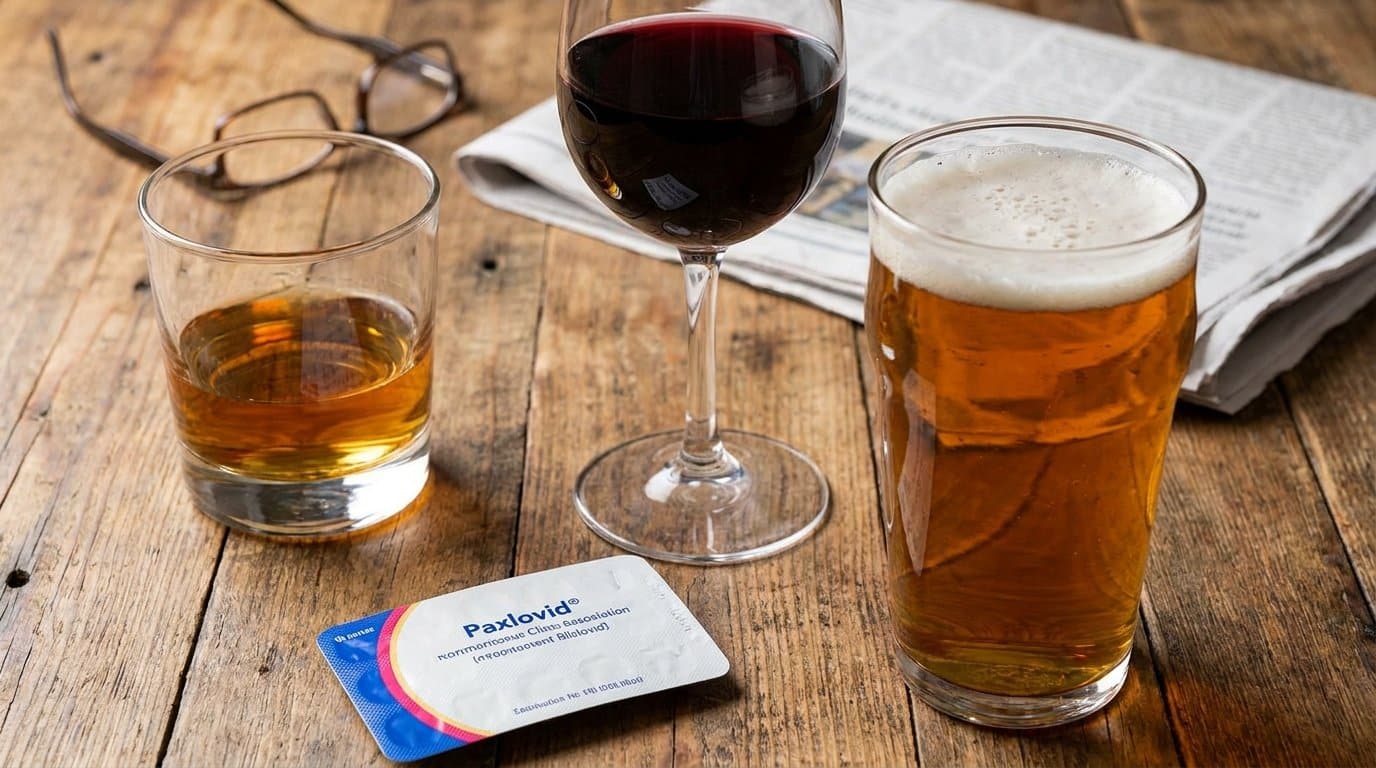
Knowing that Paxlovid taxes your liver is one thing, figuring out whether a single beer or glass of wine actually matters is what most people want answered. One standard drink may be tolerated by some healthy adults, but during COVID recovery, even that amount can worsen nausea, lightheadedness, and stomach discomfort. Fever, poor intake, and fatigue lower your tolerance, so one drink often hits harder than expected. Because ritonavir works by prolonging nirmatrelvir’s efficacy in the body, adding alcohol into the mix can further strain the liver’s ability to process these compounds safely.
When it comes to Paxlovid and wine specifically, wine isn’t meaningfully safer than beer or spirits. The relevant factor is ethanol content, not beverage type. If you’re already experiencing side effects like diarrhea or nausea, a single drink can make symptom management harder. Any worsening symptoms after drinking should signal you to stop immediately and prioritize rest and hydration. Mixing paxlovid and alcohol effects can lead to unpredictable outcomes, especially if you are already experiencing side effects.
Risks of Heavier Drinking During Paxlovid Treatment
While a single drink during Paxlovid treatment may cause manageable discomfort for some, heavier drinking raises the stakes considerably, especially for your liver. Ritonavir already burdens liver enzymes, and adding heavy alcohol intake creates overlapping stress that increases toxicity risk. Regardless of alcohol types, Paxlovid interactions remain consistent since all beverages introduce ethanol processed by the same pathways.
The risks of heavier drinking during Paxlovid treatment include:
| Risk Category | What Happens | Warning Signs |
|---|---|---|
| Liver stress | Compounded metabolic burden | Yellowing skin, dark urine, abdominal pain |
| Amplified side effects | Worsened nausea, dizziness, dehydration | Severe vomiting, inability to keep fluids down |
| Reduced adherence | Missed doses, early discontinuation | Incomplete 5-day course |
Heavy drinking can also obscure whether your symptoms stem from COVID-19, Paxlovid, or alcohol itself.
How Long After Paxlovid to Wait Before Drinking
Once you’ve taken your last dose of Paxlovid, most medical sources recommend waiting at least 24 to 48 hours before drinking any alcohol, though some physicians advise a more conservative window of 48 to 72 hours to allow the drug to clear more fully. Since Paxlovid is a 5-day course, this abstinence period is relatively short.
When considering how long after Paxlovid to wait before drinking, you should also factor in your recovery status. If you’re still experiencing nausea, dizziness, or poor oral intake, extend the wait. Before reintroducing alcohol, confirm you’re eating normally and staying well hydrated. If your first drink triggers any worsening symptoms, stop and monitor. Individuals with liver conditions or concurrent medications should consult their prescriber for personalized guidance. It’s important to understand the potential paxlovid alcohol interaction risks before consuming any alcoholic beverages.
Take the First Step Toward Safer Choices
Mixing alcohol with medications like Paxlovid carries risks that are easy to overlook in the moment, but the right support brings clarity. At Vive Treatment Centers in Washington, DC, our experienced team delivers reliable Alcohol Addiction Treatment with care, compassion, and a personalized approach. Call (202) 506-3490 today and begin a healthier chapter in your life.
Frequently Asked Questions
Is Beer Safer Than Wine or Spirits While Taking Paxlovid?
No alcohol type is proven safer with Paxlovid. Beer has less alcohol per serving than wine or spirits, but it still introduces ethanol your liver must process alongside the medication. This can worsen side effects like nausea, dizziness, and dehydration. Since Paxlovid’s course lasts only five days, you’re better off avoiding alcohol entirely. If you do drink and notice unusual symptoms, contact your healthcare provider promptly.
Can I Have One Glass of Wine With Dinner During Treatment?
It’s best to skip that glass of wine until you’ve finished your Paxlovid course. Even one drink can worsen common side effects like nausea, dizziness, and stomach upset. Alcohol also stresses your liver alongside ritonavir, and it may hinder your recovery through dehydration and poor sleep. Since there’s limited research on this specific interaction, most clinicians recommend playing it safe and waiting until treatment ends.
Does Non-Alcoholic Beer Still Interact With Paxlovid?
Non-alcoholic beer labeled “0.0% ABV” likely won’t interact with Paxlovid, since there’s fundamentally no alcohol for your liver to process alongside the medication. However, some “non-alcoholic” beers contain up to 0.5% ABV in trace alcohol, which you’re better off avoiding during treatment. Keep in mind that carbonation and acidity alone can worsen Paxlovid’s common side effects like nausea. If you want the safest choice, stick with true 0.0% options.
Should I Avoid Alcohol-Based Cough Medicines While on Paxlovid?
Yes, you should avoid alcohol-based cough medicines while taking Paxlovid. These products can worsen Paxlovid’s gastrointestinal side effects like nausea, diarrhea, and vomiting, and they add extra strain on your liver. Many liquid cough syrups also contain sedating ingredients or dextromethorphan, which Paxlovid can amplify. Choose non-alcohol, single-ingredient alternatives instead, and always have your pharmacist review any cough or cold product before you take it during treatment.
Will Occasional Light Drinking Reduce How Well Paxlovid Works?
There’s no strong evidence that occasional light drinking directly reduces Paxlovid’s antiviral effectiveness. However, alcohol can worsen side effects like nausea, dizziness, and fatigue, which may make it harder for you to complete your full course. It also adds stress to your liver, which is already processing ritonavir. You’re safest skipping alcohol during your five-day treatment and resuming only after you’ve finished and your symptoms are improving.